Key Takeaways
- Acting Attorney General Todd Blanche avoided definitive answers on cannabis rescheduling during his exchange with Senator Alex Padilla.
- Blanche signed an order moving medical cannabis to Schedule III but expressed no commitment to broader reforms.
- He did not object to prosecuting simple possession of marijuana in national parks, indicating support for maintaining existing laws.
- Federal cannabis policy remains contradictory: medical users get some benefits while adult-use consumers still face penalties.
- The gap in policy leaves ordinary cannabis consumers without clear protections under federal law.
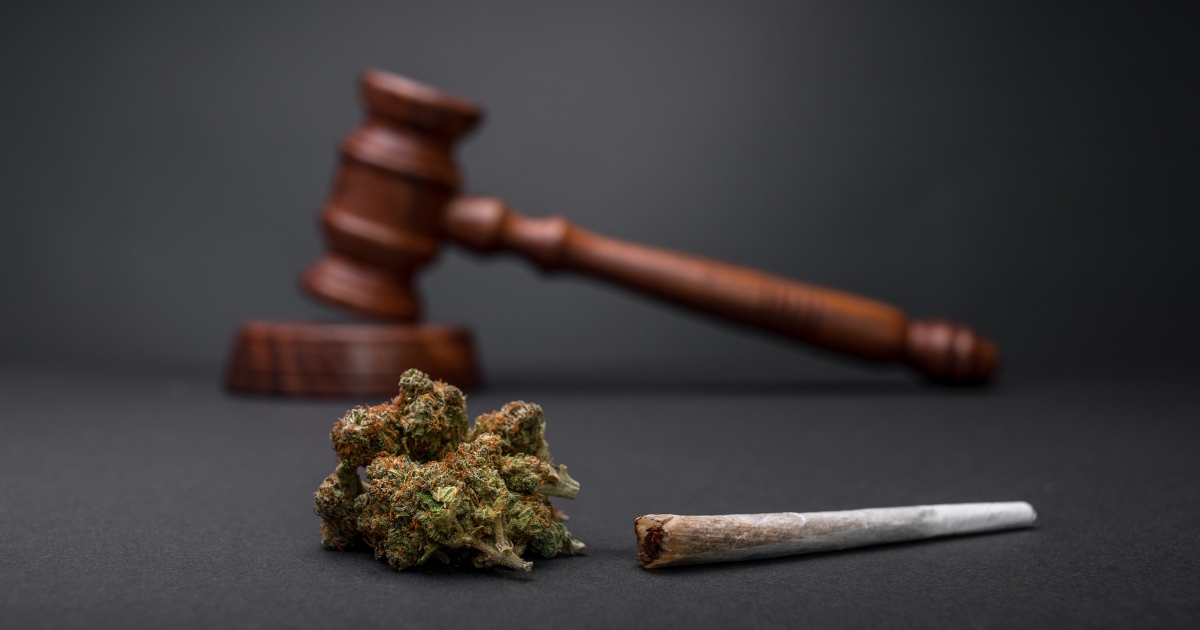
Acting Attorney General Todd Blanche declined to commit to expanding cannabis rescheduling and reform beyond a medical framework when questioned by Senator Alex Padilla in a Senate Judiciary Committee Questions for the Record exchange. Blanche also expressed no objection to prosecuting people for simple marijuana possession on federal land, including national parks, exposing a core contradiction in current federal cannabis policy.
The headlines around cannabis in 2026 have mostly centered on what the DOJ did: Acting Attorney General Todd Blanche signed the April 23, order placing FDA-approved cannabis products and state-licensed medical marijuana into Schedule III. That was real. That mattered. But what Blanche said, or more precisely refused to say, in Questions for the Record submitted by Senator Alex Padilla to the Senate Judiciary Committee deserves its own read.
Because there is a significant gap between signing a medical rescheduling order and committing to any meaningful reform that protects ordinary cannabis consumers. That gap is where federal cannabis policy currently lives.
What Did Senator Padilla Ask Blanche About Cannabis Rescheduling?
Senator Alex Padilla’s Questions for the Record covered several cannabis topics. On rescheduling, Padilla asked Blanche directly whether he supports moving marijuana to Schedule III, whether he would work to finalize that rescheduling, and whether he supports efforts to align federal and state marijuana laws.
He also asked about the DOJ’s decision to bypass the traditional notice-and-comment period and the administrative hearing process that the Controlled Substances Act normally requires before rescheduling a substance.
And importantly, Padilla asked Blanche whether he supports further rescheduling of cannabis for adult use, or at minimum reducing current penalties for possession and sales.
These are not abstract policy questions. They go to the heart of whether the federal government intends to keep criminalizing tens of millions of Americans who consume cannabis legally under their state’s laws.
How Did Blanche Actually Respond to the Rescheduling Questions?
The short version: he did not answer them.
On whether he supports placing marijuana on Schedule III, Blanche said he would give the matter “careful consideration after conferring with all relevant stakeholders, including DEA personnel” if confirmed.
On whether he supports further rescheduling for adult use or reducing possession penalties, Blanche gave virtually the same response, repeating that he would “give the matter careful consideration.” He did not commit to a position, a timeline, or even a direction.
On aligning federal and state marijuana laws, Blanche acknowledged that federal-state coordination is “critically important” but stated he had “not had the opportunity to study this particular issue.”
At the time of these responses, Blanche was already serving as acting AG. The rescheduling order he signed on April 23rd had already moved medical cannabis to Schedule III. The claim that he had not had the opportunity to study federal-state cannabis coordination is a hard one to take at face value.
Did Blanche Object to Prosecuting Simple Marijuana Possession in National Parks?
No. He did not.
When Padilla specifically questioned him about the DOJ directing federal prosecutors to begin enforcing laws against simple cannabis possession in places like national parks, Blanche responded: “As a general matter, I think it is important to empower our U.S. Attorneys to enforce all laws as appropriate and in accordance with relevant facts and law to keep the American public safe.”
That is a yes with extra steps.
For context, in November 2025, Wyoming’s U.S. Attorney Darin Smith announced that National Park rangers would begin “rigorously” enforcing marijuana possession statutes in federal reserves, citing a DOJ memo. This reversed the effective non-prosecution policy that had been in place under Biden, who in 2022 pardoned more than 6,000 people convicted of simple federal marijuana possession.
Blanche did not say this enforcement approach was wrong. He said he wants to empower U.S. Attorneys to enforce all laws. That is the policy.
What Does This Mean Now That Medical Cannabis Has Been Rescheduled?
The April order moved state-licensed medical cannabis and FDA-approved cannabis products to Schedule III. Adult-use cannabis remained at Schedule I, alongside heroin. A new administrative hearing process that began on June 29th was initiated to evaluate broader changes, but that process has no guaranteed outcome.
So here is where federal cannabis policy currently stands. The federal government now officially recognizes cannabis as a medicine. State-licensed medical patients and businesses have a pathway toward federal DEA registration. At the same time, a person who purchases cannabis legally at a dispensary in a state with adult-use laws, then brings it into a national park in that same state, can still be federally prosecuted.
That is not a technical footnote. That is the policy.
Blanche signed the order that created one of those realities. He declined to show any discomfort with the other.
What Is Washington Actually After With Cannabis Reform?
This is the question worth sitting with, because the answer reveals a pattern that has been building for years.
The medical rescheduling order comes with real benefits for the federal government. Researchers get better access to study cannabis. Pharmaceutical companies gain a cleaner pathway toward FDA-approved cannabis-derived drugs. The IRS gets cleaner enforcement of 280E tax obligations against businesses that no longer qualify for the Schedule I exemption. Politicians on both sides get credit for “reform” without touching the enforcement architecture that keeps ordinary consumers exposed.
Meanwhile, adult-use consumers, the majority of people who actually use cannabis in legal states, remain a Schedule I population in the eyes of federal law. Their purchases at state-licensed dispensaries fund state tax revenue and licensed businesses, but their federal legal status has not changed.
Blanche’s QFR responses fit that picture cleanly. He signed the order that gave the pharmaceutical pathway, the research access, and the political headline. He refused to commit to anything that would extend those protections to the consumer who buys a pre-roll on a Friday and walks into a federal park on Saturday.
Washington got the parts of reform it wanted. Ordinary consumers are still waiting to find out if they made the cut.
Frequently Asked Questions
Blanche gave largely non-committal answers on cannabis policy, declining to support further rescheduling beyond a medical framework and raising no objections to federal prosecution of simple marijuana possession on federal land.
Blanche did not object to the DOJ directing prosecutors to enforce simple possession laws in national parks, stating he believes in empowering U.S. Attorneys to enforce all laws as appropriate. Wyoming’s federal prosecutors had already announced plans to rigorously enforce these laws in national parks prior to the QFR submission.
On April 23, 2026, Acting Attorney General Todd Blanche signed an order moving FDA-approved cannabis products and state-licensed medical marijuana from Schedule I to Schedule III under the Controlled Substances Act. Adult-use cannabis remains Schedule I. A new hearing starting June 29, 2026 will evaluate further rescheduling, though no outcome is guaranteed.
Senator Padilla asked whether 280E tax relief would apply to businesses with both medical and adult-use cannabis licenses. Blanche’s response was non-committal, leaving this an open legal question with major financial implications for state-legal operators.
- National Parks Are Still A No Toking Zone
- Beard Bros Travel Explores Redwoods National Parks
- GOP Senators File Amendment to Defund Marijuana Rescheduling
- Wyoming Declares New War on Simple Marijuana Possession After Trump Policy Reversal
- Kentucky Governor Advocates for Cannabis Rescheduling In Letter To DEA