Key Takeaways
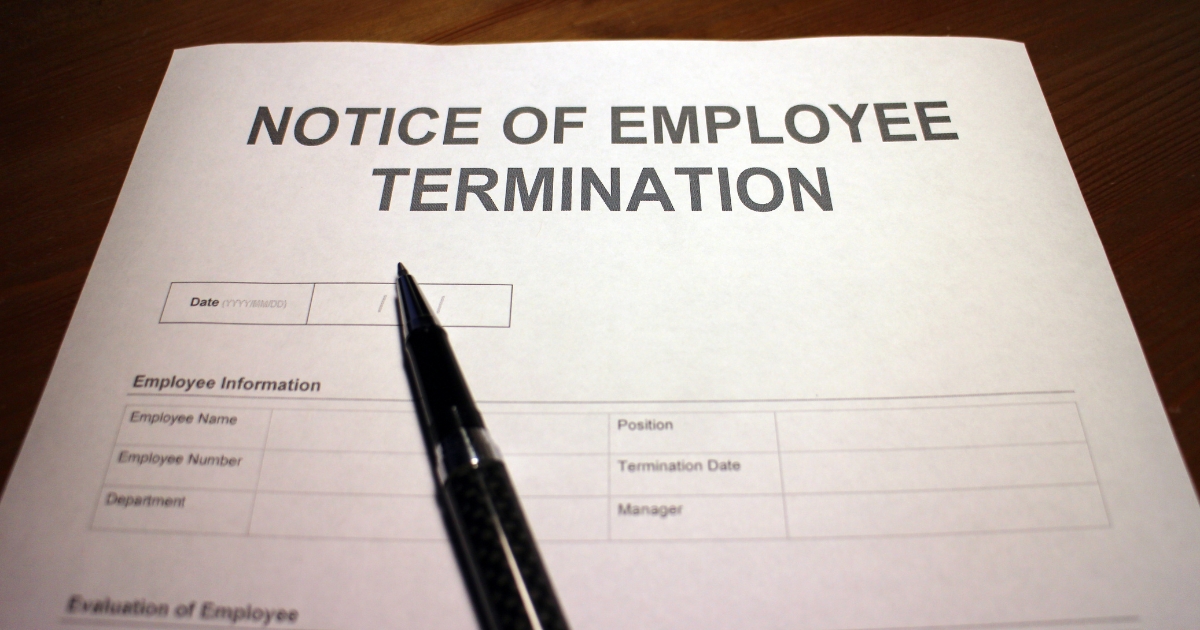
- CannaCraft and NorCal Cannabis Co. announced layoffs of over 100 workers as California’s cannabis market contracts.
- Sales dropped from $4.4 billion in 2023 to $3.9 billion in 2025, indicating persistent issues in the industry.
- Both companies cited competition from the illicit market and high tax burdens as key factors for the layoffs.
- These layoffs reflect a national trend of job losses in the cannabis industry due to market pressures.
- The cannabis sector in California is undergoing significant restructuring, moving towards smaller, more specialized operations.
Two Santa Rosa cannabis manufacturers, CannaCraft and NorCal Cannabis Co., are laying off more than 100 workers upcoming in September as California’s legal cannabis market enters its third consecutive year of declining sales. California cannabis sales fell from $4.4 billion in 2023 to $3.9 billion in 2025, pointing to a pattern of industry consolidation and workforce reduction across the state.
The news came quickly. Within days of each other in mid-July 2026, two federally mandated WARN Act notices landed from Santa Rosa cannabis manufacturers, collectively affecting more than 100 workers, and first reported by The Press Democrat. The companies are CraftForce Services Inc., the manufacturing arm of CannaCraft, and NorCal Cannabis Co., operating as GB2 LLC. Both are based in Sonoma County and both are cutting staff this fall, citing the same root cause: a California cannabis market that has spent three straight years shrinking.
For those inside the California cannabis industry, the announcements are not all that surprising. California cannabis sales have been declining since 2023, legal license counts have dropped since then, and producers have been battling persistent competition from the illicit market while absorbing some of the country’s heaviest tax and regulatory hurdles. These layoffs are the most recent, visible evidence that the state’s cannabis manufacturing sector is in the middle of a significant restructuring.
Which California Cannabis Companies Are Laying Off Workers in 2026?
CraftForce Services Inc. filed a WARN Act notice on July 22, 2026, indicating it will lay off approximately 60 employees at its Santa Rosa operations on September 20. CraftForce is the manufacturing arm of CannaCraft, which has operated in Sonoma County for roughly a decade and merged with Southern California retail chain March and Ash in 2022 under parent company Groundwork Holding Inc.
Most of the affected CraftForce workers are production technicians. Many are represented by United Food and Commercial Workers Local 5.
NorCal Cannabis Co., operating as GB2 LLC, is the second company involved. Queen City Staffing, the affiliated employer, filed a WARN notice on July 14, indicating it will permanently shut down operations at the GB2 facility at 2717 Giffen Ave., Santa Rosa, on September 13. About 49 employees, most of whom work in packaging and trimming, will lose their jobs. Those workers have no union representation.
Combined, the two rounds of layoffs eliminate more than 100 positions at facilities less than a mile apart in Sonoma County. Bret Peace, CEO of Groundwork Holding, described the situation to The Santa Rosa Press Democrat as a “race to the bottom” driven by economic pressure, declining sales, and ongoing competition from the illicit cannabis market. “It was sized to a scale of industry that didn’t materialize,” Peace said.
What Do the California Cannabis Sales Numbers Actually Show?
The layoffs did not happen in isolation. They are a direct reflection of what has been happening to California’s legal cannabis market over the past three years.
According to the California Department of Tax and Fee Administration, statewide cannabis sales totaled $4.4 billion in 2023, then fell to $4.2 billion in 2024, and dropped further to $3.9 billion in 2025. That marks the third consecutive year of decline in the country’s largest adult-use cannabis market. First-quarter 2025 taxable sales hit a five-year low, according to state data cited by The Santa Rosa Press Democrat.
More recent data from cannabis analytics firm Headset shows that tracked California sales in April 2026 reached approximately $311 million, but year-over-year sales were down 7.1% from April 2025. The average price per item fell from $18.89 in April 2025 to $17.91 in April 2026, pointing to ongoing price compression across the supply chain.
Statewide cannabis sales decreased by over 12% in the prior year, compounding the pressure on manufacturers already operating on thin margins.
Why Is California’s Legal Cannabis Market Contracting?
No single factor explains the decline, but several pressures have converged at the same time.
The illicit cannabis market continues to undercut legal operators on price. California’s Unified Cannabis Enforcement Taskforce has seized and destroyed more than 420 tons of illegal cannabis, estimated at over $1.3 billion in value, since the taskforce was established in 2022, according to the Governor’s Office. That scale of seizure activity reflects just how active the unlicensed market remains, even after years of enforcement.
Tax burdens have also taken a toll. California cannabis businesses have faced some of the highest effective tax rates in the country. According to Cannabis Business Times,, roughly 15% of California retail licensees were already in default by December 31, 2023, long before the excise tax increased to 19% on July 1, 2025. State legislation, specifically AB 564, has since set the cannabis excise tax at 15% through 2028 in an attempt to stabilize conditions, but the damage from prior years of high overhead has already pushed many operators to the edge.
License counts tell a similar story. Active cultivation licenses in California fell nearly 2% from the prior quarter and 8% since the third quarter of 2024, according to MJBizDaily. At the start of 2025, the state had 3,688 fewer cultivation licenses than it had three years earlier.
Sonoma County has attempted some local relief. The Board of Supervisors approved a tax break in April 2025, reducing the cannabis business tax rate to $0 for qualifying operators in fiscal year 2026-27. The board also created a new annual licensing system with fees starting above $500 to cover the cost of the county’s cannabis governance program.
Are the California Cannabis Layoffs Part of a National Trend?
The consolidation happening in California highlights a national pattern. The legal U.S. cannabis industry employed 412,500 people in early 2026, a 2.7% decline from the 425,002 jobs reported the prior year, according to the U.S. Cannabis Jobs Report 2026, produced by Denver-based staffing platform Vangst and Oregon-based research company Whitney Economics. That marks the first year the industry has shed jobs nationally.
The pattern emerging nationally mirrors what California is experiencing at an accelerated pace: oversupply built to meet demand that did not fully arrive, ongoing illicit market competition, and operating costs that make it difficult for mid-size manufacturers to stay profitable.
What Does California Cannabis Industry Consolidation Mean Going Forward?
The Santa Rosa layoffs signal that California’s cannabis manufacturing sector is downsizing toward a leaner structure. Peace’s comment that the industry “moved to a place where people are more specialized and they’re able to do more with less space” suggests that companies see smaller, more efficient operations as the path forward, even if that means fewer workers and reduced production capacity in the near term.
At the state level, regulators have pledged growth. California’s top cannabis regulator has publicly stated that an additional $1 billion in legal sales is achievable. Whether that vision is realistic under current market conditions remains an open question, particularly as year-over-year sales continue to trend downward.
Where Does California Cannabis Go From Here?
Three consecutive years of declining sales, a workforce shrinking for the first time at the national level, and two more manufacturers announcing mass layoffs in a single week: the data points toward a California cannabis market in the middle of a structural reset rather than a temporary slowdown.
The industry built itself around projections that did not materialize. Legal sales never captured the full consumer base that advocates projected when Proposition 64 passed in 2016. The illicit market absorbed a larger share than expected, and high taxes made it hard for licensed operators to compete on price. The businesses that survive this period will likely be smaller, more specialized, and more selective about what they produce and for whom.
For the more than 100 workers losing their jobs in Santa Rosa this fall, the industry’s structural problems translate into immediate personal consequences. Their situations reflect a broader reality: California’s cannabis legalization story has been far more complicated than its proponents initially described, and the reckoning is still playing out.
Frequently Asked Questions
Two Santa Rosa cannabis manufacturers, CraftForce Services Inc. and NorCal Cannabis Co., filed WARN Act notices in July 2026, announcing a combined total of over 100 layoffs in September 2026.
CannaCraft’s parent company Groundwork Holding Inc. cited declining sales, broader economic pressure, and ongoing competition from the illicit cannabis market. CEO Bret Peace described the situation as a “race to the bottom” and noted that the industry “was sized to a scale that didn’t materialize.”
California cannabis sales peaked and have since declined for three consecutive years. Sales totaled $4.4 billion in 2023, fell to $4.2 billion in 2024, and dropped to $3.9 billion in 2025, according to the California Department of Tax and Fee Administration. Statewide cannabis sales also decreased by over 12% in the prior year, and first-quarter 2025 taxable sales hit a five-year low.
Several factors are contributing to the California cannabis market contraction: persistent competition from the illicit cannabis market, high tax burdens on licensed operators, declining consumer prices, reduced active license counts, and a consumer base that has not grown as fast as the legal market infrastructure was built to serve.
- A Legacy Story- From Outlaw to CannaCraft CEO
- Eaze CEO Announces Its ‘Winding Down’ Operations With Full Closure Expected by New Year
- Hall of Flowers Returns to Its Roots in Santa Rosa in September 2025
- Beard Bros Media Network Correspondent Spotlight: Angela Pih
- How Hall of Flowers at Santa Rosa Fairgrounds Went Beyond Your Average Cannabis Tradeshow