Key Takeaways
- Connecticut introduces the infused beverage wholesaler license, allowing the distribution of THC beverages through established alcohol channels.
- The license has no application or renewal fees, aiming to encourage qualified distributors to enter the market.
- Existing alcohol distributors can easily add THC beverages to their offerings without needing a new license.
- This model mimics alcohol distribution, providing THC drinks with better retail access and competitive logistics.
- Connecticut’s approach may influence other states, potentially shifting how THC beverages enter the consumer market.
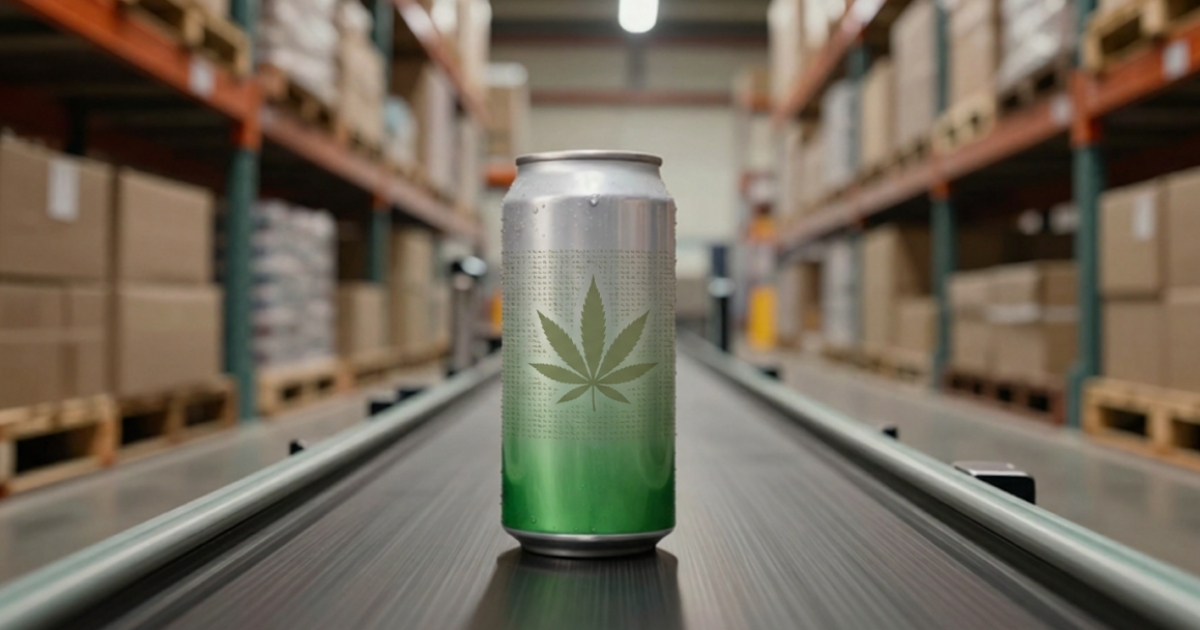
Connecticut has quietly done something that could reshape how THC drinks reach store shelves in the state. The Department of Consumer Protection now runs an application pathway for an infused beverage wholesaler license, giving cannabis beverages a formal distribution channel that borrows heavily from the alcohol playbook.
The setup rewards businesses already wired into liquor distribution. Package stores, the same shops selling beer and wine, sit at the center of the plan. Beer and alcohol wholesalers get a free pass to move these products without extra licensing. That is the kind of quiet regulatory detail that becomes a much bigger deal once THC drinks start competing for cooler space and distributor attention.
Here is what the new license does, who it applies to, and why it looks a lot more like alcohol distribution than traditional cannabis.
What Is the Connecticut Infused Beverage Wholesaler License?
The infused beverage wholesaler license lets a business distribute THC-infused beverages within Connecticut. The Department of Consumer Protection issues it under Chapter 420i of the general statutes, and the license runs for one year with annual renewal.
The application lives on the state’s eLicense online system, filed under Cannabis Control. One detail stands out right away: there is no application fee and no renewal fee attached to this license. That is unusual for a cannabis credential, and it signals the state wants qualified distributors to step into this channel without a financial barrier at the door.
Approval depends on a few requirements built into state law. Owners of the applicant must complete a third-party local and national criminal background check and cannot have disqualifying convictions. The facility must pass a Department of Consumer Protection inspection covering cleanliness and security before the license is granted.
The license is narrow by design. An infused beverage wholesaler can move THC drinks and nothing stronger. State law directly prohibits an infused beverage wholesaler from distributing alcoholic liquor, keeping the two supply chains legally separate even as they share retail space.
Who Can Distribute THC Beverages, and to Who?
An infused beverage wholesaler can only sell to a specific set of buyers. Under the statute, that means holders of package store permits issued under Section 30-20, plus retailers, hybrid retailers, and dispensary facilities. In plain terms, the drinks flow to liquor stores with the right endorsement and to licensed cannabis shops.
Package stores cannot simply stock these products. They need a THC-infused beverage endorsement on their permit, which costs $500 and renews annually. Once endorsed, a package store may buy new inventory only from a licensed wholesaler or an infused beverage wholesaler.
The most telling piece involves existing liquor distributors. A holder of a wholesaler permit or a beer wholesaler permit issued under Section 30-17 does not need to apply for an infused beverage wholesaler license at all. These businesses can distribute THC-infused beverages as part of their existing operation, no new credential required.
That single provision changes the competitive picture. Established beer and alcohol distributors, with trucks, warehouses, and retail relationships already in place, can add THC drinks to their route without starting from scratch.
Why This Looks More Like Alcohol Than Cannabis
Traditional cannabis distribution in Connecticut runs through a tightly controlled, dispensary-focused system. The infused beverage wholesaler model does something different. It plugs THC drinks into infrastructure that already exists for beer and liquor.
Consider the pieces. Package stores serve as a retail access point. Beer and alcohol wholesalers can distribute without extra paperwork. The buyers list reads like a hybrid of liquor and cannabis retail. Put those together and you get a distribution lane shaped by the alcohol trade rather than the dispensary model.
This matters for a simple reason. Distribution decides which products actually reach shelves. A brand with a great THC seltzer still needs someone to move it, store it, and get it in front of buyers. By opening the door to established liquor distributors, Connecticut is pointing THC beverages toward the same logistics network that already keeps coolers stocked statewide.
The result is a market where THC drinks compete for cooler doors the way beer brands do. Distributor relationships, shelf placement, and route density start to matter as much as the product itself.
What Are the Compliance Requirements for License Holders?
Getting the license is one step. Staying compliant is another, and the obligations track closely with how regulated beverage businesses already operate.
Every infused beverage wholesaler must assess a $1 fee on each infused beverage container sold to a package store, retailer, hybrid retailer, or dispensary facility. Starting October 1, 2025, and every six months after, wholesalers remit that money to the Department of Consumer Protection. Those funds support public health, consumer education, and enforcement of cannabis and liquor laws.
Recordkeeping is strict. Wholesalers must keep auditable records covering the current tax year and the three years before it, and produce copies to the state within two business days of a request. The department can inspect facilities, run inventory checks, and require a third-party audit at the wholesaler’s expense.
Location adds one more layer. An infused beverage wholesaler based in Connecticut must also register as a Food Warehouse if selling these products to other businesses. That registration comes from the Department of Consumer Protection’s Food and Standards Division. Products also cannot be marketed in a way that appeals to anyone under 21.
What Does This Mean for the THC Beverage Market?
Timing helps explain the interest. The global cannabis beverages market was valued at roughly $1.65 billion in 2025, according to figures cited by GlobeNewswire, with projections pushing well higher over the next decade. BDSA data reported by Flowhub put cannabis beverage sales at $54.6 million in the first quarter of 2025, up about 15% year over year.
Connecticut’s approach gives that growth a clear regulated channel. Instead of leaving THC drinks in a gray area, the state built a licensed path to move them through package stores and cannabis shops alike. For brands, that means a defined route to market. For distributors, it means a new product category to carry.
The bigger signal is structural. By treating THC beverages more like alcohol at the distribution level, Connecticut is testing a model other states may study. If the alcohol trade proves it can handle these products responsibly and at scale, the cooler door, not the dispensary counter, could become the main battleground for THC drinks.
Frequently Asked Questions
It is a state license issued by the Department of Consumer Protection that lets a business distribute THC-infused beverages to package stores with an endorsement, cannabis retailers, hybrid retailers, and dispensary facilities. It runs for one year with annual renewal.
There is no application fee and no renewal fee for the infused beverage wholesaler license. Wholesalers do pay a $1 fee per beverage container sold, remitted to the Department of Consumer Protection every six months.
No. A holder of a wholesaler permit or beer wholesaler permit issued under Section 30-17 can distribute infused beverages without applying for or maintaining a separate infused beverage wholesaler license.
An infused beverage wholesaler can sell only to package store permit holders under Section 30-20, along with retailers, hybrid retailers, and dispensary facilities.
- Missouri Cannabis Cultivators File Class Action Against Good Day Farm
- Big Alcohol’s Impact on Federal Cannabis Legislation: What to Know?
- Adult-Use Marijuana Sales To Start in Connecticut on January 10th
- Cannabis Connoisseurs: How to Make the Switch to Infused Beverages
- Connecticut Cannabis Tax Revenue Rose 67%, While Sales Barely Moved