

Key Takeaways
- Elevation Delivery prioritizes compassion over profit, aiming to improve cannabis access through reliable delivery services.
- Co-founders Colin and Tyler Landry recognize that delivery serves individuals facing various challenges, such as limited mobility or privacy concerns.
- The partnership with Native Roots enhances Elevation’s operations, providing an established infrastructure and customer base while fostering social equity.
- Elevation aims to streamline delivery times and improve customer experience, while maintaining professional service that respects cannabis regulations.
- Future goals include expanding partnerships and developing a strong public presence while focusing on their guiding principle of compassion.
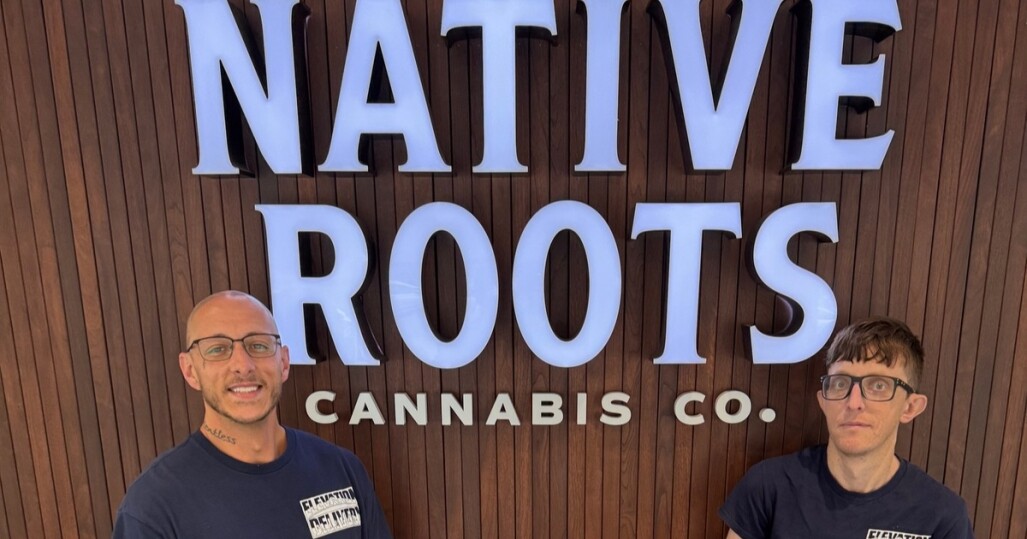
For co-owners Tyler Landry and Colin, cannabis delivery is about more than convenience. Their social-equity-owned company is building a business around compassion, dependable service, and a partnership with Native Roots that demonstrates what meaningful industry opportunity can look like.
“Elevation Delivery was built on the idea that compassion comes before profit.” It’s a simple statement, but for Elevation Delivery co-founder Colin, it explains why the business exists in the first place. Cannabis delivery might seem like an obvious service in an era when consumers can have groceries, prescriptions, and restaurant meals brought directly to their doors. Yet in Colorado, where legal cannabis has been part of the retail landscape for more than a decade, delivery remains a complicated business.
For Denver-based Elevation Delivery, navigating those complications is worthwhile because the company serves people whose needs aren’t always addressed by a traditional dispensary visit. Some customers have limited mobility, while others lack reliable transportation, face demanding schedules, or simply prefer the privacy of having their purchases delivered. For these individuals, delivery can be more than a luxury.
Co-owners Colin and Tyler Landry believe the service should be accessible, professional, and reliable. Through a growing partnership with Native Roots, one of Colorado’s established cannabis retailers, they’re working to demonstrate that a social-equity-owned delivery company can provide real value to both consumers and dispensaries.
A Business Built Around Compassion
Landry didn’t originally plan to build a career in cannabis. He spent approximately 25 years in the automotive industry, including working as a general manager at Advance Auto Parts. That’s where he met Colin, who was developing a cannabis delivery business while working for him. As the two got to know each other, Landry learned more about Colin’s motivation for starting Elevation.
The idea wasn’t simply to capitalize on a growing industry. Colin wanted to help people who faced practical obstacles to obtaining cannabis through licensed retailers. That mission resonated with Landry, who recognized an opportunity to combine Colin’s entrepreneurial vision with his own experience managing retail operations, employees, customer relationships, and logistics.
Their partnership brought together two complementary perspectives: one rooted in the desire to improve cannabis access and the other focused on building the systems required to deliver dependable service. Colin’s guiding principle, compassion before profit, became a natural foundation for the business.
It’s a philosophy that sounds straightforward until you consider what it requires operationally. A company that promises to put customers first must be able to answer questions, coordinate orders, communicate accurately, and follow through when something doesn’t go according to plan. For Elevation, compassion isn’t meant to replace good business practices. It’s the reason those practices matter.
Why Delivery Matters Beyond Convenience
One of the most compelling aspects of Elevation’s business is the variety of people it can serve. Consider a customer with limited mobility who cannot easily travel to a dispensary, or someone without access to a vehicle who lives far enough from a retailer that shopping becomes difficult. Landry also points to people living in assisted-living environments, where transportation limitations and personal circumstances may make visiting a dispensary challenging.
Other customers simply value discretion. Although cannabis is legal for eligible adults in Colorado, the stigma surrounding consumption hasn’t disappeared. Some people prefer not to discuss their purchases with family members, neighbors, or others in their lives. And plenty of customers choose delivery for the same reason they order other products online: convenience.
The common denominator is choice. Landry believes customers should be able to decide how they access cannabis without being expected to explain or justify their circumstances. For Elevation, that means providing a professional, confidential experience that respects customers while operating within Colorado’s cannabis regulations. The company isn’t trying to replace the dispensary; it’s trying to make the dispensary more accessible.
Finding the Right Retail Partner
Colin began developing Elevation Delivery in 2022, initially working with Denver dispensary Simply Pure. That early relationship provided experience coordinating orders, managing deliveries, and understanding the practical requirements of operating alongside a licensed cannabis retailer. When the Simply Pure location supporting the arrangement ceased operating, Elevation needed another retail partner.
Finding one wasn’t simply a matter of approaching a dispensary and offering to deliver its products. Colorado’s cannabis delivery framework requires participating businesses to comply with licensing and operational rules. The relationship between a retailer and a delivery provider is therefore central to how the service functions.
Elevation eventually established a partnership with Native Roots, giving the company an opportunity to continue developing its operations alongside an established retail business. For Landry and Colin, that relationship represents an important milestone. Native Roots brought an established customer base, retail infrastructure, and industry experience, while Elevation brought a specialized delivery operation and a commitment to representing the retailer professionally. Together, the businesses have been working to develop a more dependable delivery experience for customers.
Why Native Roots Deserves Recognition
The Native Roots partnership is significant for reasons that extend beyond getting products from a dispensary to a customer’s home. Cannabis companies frequently discuss social equity and the importance of supporting smaller entrepreneurs, but meaningful participation in the industry requires more than access to licensing programs or networking events. It requires commercial opportunities.
For a social-equity-owned business like Elevation, working with an established retailer creates an opportunity to demonstrate its capabilities, develop operating experience, and build a sustainable company. Landry is appreciative of Native Roots’ willingness to work with Elevation and give the company an opportunity to grow, but he also emphasizes that the relationship carries responsibilities in both directions.
Elevation’s success depends in part on Native Roots’ success with delivery. When a customer orders from the dispensary, the delivery experience becomes part of that customer’s overall impression of the retailer. A late order, poor communication, or an unprofessional interaction can affect both businesses, while a reliable, courteous delivery can strengthen the customer’s confidence in the entire experience.
Landry understands that responsibility. He says customer satisfaction and helping Native Roots succeed with its delivery program remain central priorities as Elevation grows. That mutual commitment is what makes the partnership meaningful. Native Roots has provided an opportunity for a smaller operator to participate in its retail ecosystem, and Elevation is working to earn that opportunity through dependable service and continued operational improvement.
It’s a practical example of how an established cannabis company and a social-equity-owned business can work together toward shared commercial goals. Customers interested in the service can learn more through the Native Roots Denver delivery page.
Improving the Customer Experience
One of Landry’s early priorities was addressing delivery times. He recalls encountering delivery windows of approximately six to eight hours, which seemed unnecessarily long for a service built around convenience. Landry wanted Elevation to work toward a more competitive experience, with a one-to-three-hour delivery window as an operating goal.
The distinction matters because customers don’t simply want their orders to arrive eventually. They want accurate expectations, dependable communication, and confidence that the service will follow through. Achieving those goals requires coordination between the delivery operator and the dispensary. Orders must be prepared correctly, inventory must be available, drivers must be scheduled, and customers need timely information.
Landry says Elevation and Native Roots have worked together to improve those processes. His automotive retail background has been useful in that effort, as managing teams, handling customer expectations, and building repeatable operating systems are skills that transfer naturally to a delivery business, even if the regulatory environment is different.
The objective isn’t simply to complete more deliveries. It’s to develop a process that can serve more customers without sacrificing the experience. For Native Roots, that means having a delivery partner that takes the retailer’s reputation seriously. For Elevation, it means building the operational credibility necessary to grow.
Building a Business That Can Scale
The Native Roots relationship is helping Elevation develop experience that could eventually support additional retail partnerships. Landry believes the company can use its operating history to demonstrate the value of delivery to dispensaries that may be considering the service.
Those retailers will understandably have questions about customer demand, operational coordination, delivery reliability, and the potential benefits to their businesses. Elevation wants to answer those questions with practical experience rather than promises alone.
Landry has discussed the possibility of expanding the company’s relationship to additional Native Roots locations, subject to the necessary licensing and operating arrangements. Longer term, the company hopes to work with additional dispensaries, potentially giving consumers access to a broader range of participating retailers and product selections while creating additional opportunities for Elevation.
But growth brings challenges. Cannabis delivery remains subject to licensing requirements, service-area restrictions, compliance obligations, insurance costs, staffing needs, and other operating expenses. For a smaller business, those costs can be substantial. A company may have interested customers and willing retail partners but still face barriers to expanding into another market or location.
Landry believes the solution is to build carefully, demonstrate reliability, and avoid taking on more than the business can support. That approach also protects Elevation’s relationship with Native Roots, because expanding the company won’t mean much if the service standards that helped establish its first major partnership begin to suffer.
Learning to Grow Without Losing the Personal Touch
Like many early-stage businesses, Elevation has required an enormous amount of work from its founders. During our conversation, Landry mentioned how unusual it felt to have two consecutive days off. Colin had covered morning responsibilities, and the company’s first employee was able to handle evening operations.
It was a relatively small milestone, but an important one. For a business to grow, it must eventually develop systems and personnel capable of delivering consistent service without requiring the founders to personally manage every interaction. That’s particularly important for Elevation because its mission is closely tied to customer care.
A company built around compassion needs to make sure that philosophy carries through as additional employees join the team. Landry’s management experience gives him a foundation for that work, but he recognizes that cannabis delivery presents its own challenges, including compliance requirements, coordination demands, and customer expectations that differ from conventional retail.
The founders are learning how to balance those responsibilities while preserving what made Elevation worth building in the first place. Their relationship with Native Roots adds another level of accountability. As the company grows, it wants to remain the kind of partner a retailer can trust to represent its brand and serve its customers well.
Social Equity Requires More Than a License
Elevation’s experience raises a broader question about what meaningful social equity looks like in the cannabis industry. Licensing can create an opportunity to enter the market, but it doesn’t automatically provide customers, operating capital, commercial relationships, or a path to profitability. Smaller operators still need access to the business opportunities that allow them to compete.
That’s one reason the Native Roots partnership matters. It provides Elevation with a real operating relationship through which the company can build experience, establish credibility, and demonstrate its value.
At the same time, Elevation’s mission highlights another dimension of access. Legal cannabis is only meaningfully accessible when eligible consumers have practical ways to purchase it. For people facing mobility challenges, transportation limitations, or other barriers, delivery can make a meaningful difference.
The service doesn’t solve every access problem, and it remains subject to local regulations and availability. But it provides an additional option that traditional retail alone may not offer. For Landry and Colin, those two forms of access — opportunity for entrepreneurs and convenience for consumers — are connected. A sustainable delivery business can create value for both.
What Comes Next for Elevation Delivery?
Elevation’s immediate priorities include strengthening its relationship with Native Roots, continuing to improve delivery operations, and preparing for future expansion. The company is also developing its public presence, including a new website intended to help explain its services and support future growth.
Through its participation in BIPOCANN, Elevation is receiving support to help tell its story and connect with a broader industry audience. Those efforts can help consumers better understand how cannabis delivery works in Colorado and give prospective retail partners a clearer picture of Elevation’s capabilities.
Landry and Colin know that awareness alone won’t build the company. They’ll need to continue earning customer trust, maintaining strong retail relationships, navigating regulatory requirements, and developing the systems necessary to support additional business.
But they have a foundation. What began with Colin’s determination to help people access cannabis more easily has developed into a partnership with Landry and a working relationship with one of Colorado’s established cannabis retailers. And while the company has ambitious plans, its guiding principle remains remarkably straightforward: “Elevation Delivery was built on the idea that compassion comes before profit.”
For Landry and Colin, the next chapter is about proving that compassion and sound business practices can help build a company that lasts.
Editor’s note: This feature was prepared through Beard Bros’ media partnership with BIPOCANN. Information about Elevation Delivery’s operations and growth plans is based on interviews and correspondence with the company. Delivery availability and eligibility are subject to applicable regulations and retailer requirements.
- The Cannabis Trailblazers Series: Veterans Walk & Talk – Anywhere is walking distance if you have the time. . . and some weed
- Louisiana Decriminalizes Marijuana Paraphernalia Amid Veto on Expedited Pardons
- Squaxin Island Tribe Acquires Harmony Farms as Tribal Cannabis Enters Its Next Era in Washington
- National Military Appreciation Month- Veterans Walk and Talk
- Cherry Pie Strain


