Cannabis has no shortage of stories. It has a shortage of people willing to go find the ones that do not come with a PR agency attached.
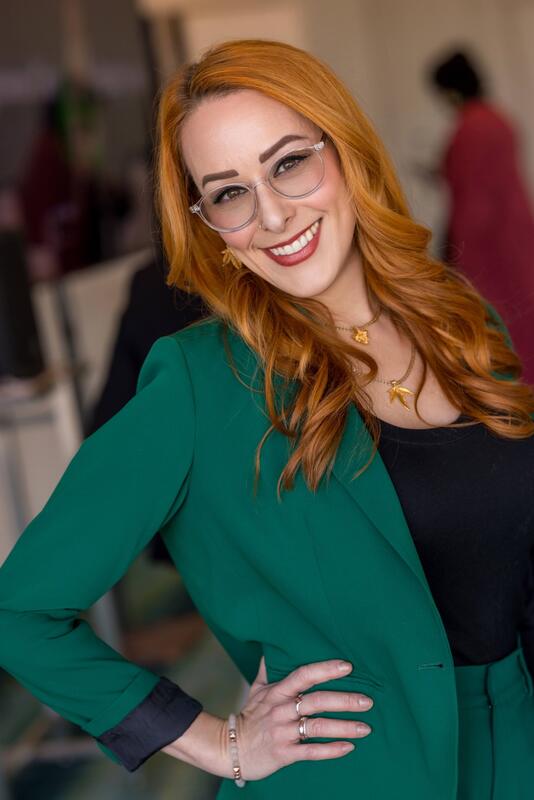
For nearly eight years, Veronica Castillo, better known around the industry as Vee the Traveling Cannabis Writer, has built her work around that gap. She has reported from farms, dispensaries, conferences, legacy communities, new markets and plenty of places most cannabis media never gets close enough to understand. A lot of that reporting happened while she was literally living wherever the work took her, moving between cars, planes, trains, hotels and borrowed spaces while the next story decided where home was.
Now, finally, she is moving home.
That does not mean Vee is retiring from cannabis journalism or disappearing from the road. She is still finishing the State [of] Flower Tour, will keep traveling for clients, events and international coverage, and is turning years of field reporting into the Cannabis Legacy Chronicles book series. What she is retiring is the version of the job where living on the road becomes the job.
She has said versions of this before and then kept going, in part because the question underneath it never really went away: if she stops chasing the stories that mainstream cannabis coverage misses, who is going to go find them?
That question got a more interesting answer when Ishqa Hillman called.
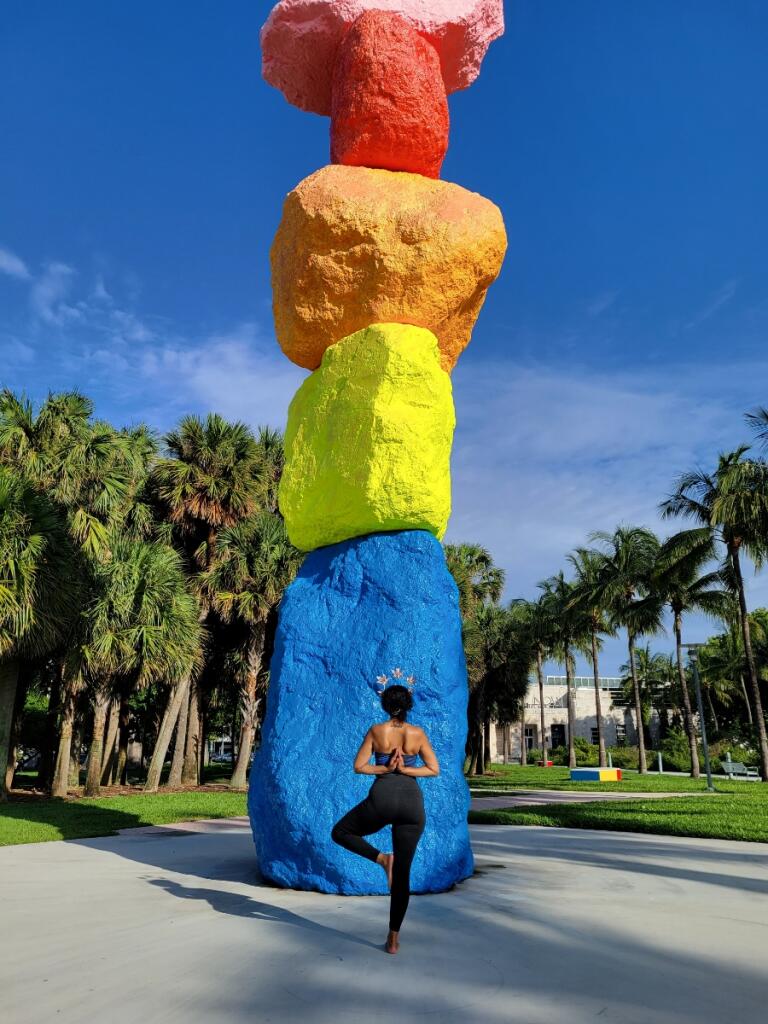
On February 20, 2027, Hillman, founder of The Canna Boss Babes, plans to hit the road with internationally published photographer Lilli Kay Caroom, better known as The Real Potparazzi, for a six-month van tour through more than 40 states. They plan to document cannabis businesses, community leaders, laws, food, travel, culture and the people building this industry far away from the usual conference stages.
For Vee, that was enough to finally feel like she could put down the suitcase without abandoning the mission.
Why Road Reporting Still Matters
Cannabis media has a visibility problem.
The easiest companies to cover are usually the ones already built to be covered. They have publicists, founder bios, polished decks, press releases, photographers and someone whose job is to answer a reporter before deadline.
Meanwhile, some of the people doing the most interesting work are running a farm, making payroll, fighting with a municipality, helping patients, raising kids, staffing the shop and trying to keep the lights on. Becoming good at publicity may be somewhere around number 47 on the list.
Those are exactly the people Hillman says she wants to find.
“I think the people missing are likely those who work the hardest and are passionate and great at what they do, but not always the business side and publicity side of things,” she said. “I want the people who are inundated with THE WORK, whatever that may look like for them, and whose work deserves to be highlighted.”
That is where the overlap with Vee’s work becomes obvious.
Road reporting gets you out of the version of cannabis that exists in pitch decks. You find out which dispensary actually has a line on Tuesday afternoon. You hear what staff says after the panel is over. You meet the cultivator who has never hired PR but has kept genetics alive for decades. You see how a regulation that sounds reasonable in a statehouse actually lands on a small business three hours away.
You also see how quickly the rules, culture and risk can change when you cross a state line.
The Canna Boss Babes tour says it will intentionally seek women-owned, equity-licensed, legacy, independent and craft businesses, along with creators and community leaders. That is a big part of why this matters. Cannabis history is still being written, and a lot of the people who carried this plant through prohibition do not have communications teams making sure their names make it into the official version.
Passing the Torch Without Cloning the Job
Calling Ishqa “the next Traveling Cannabis Writer” would miss the point.
Vee is not handing over a title. Ishqa is not trying to become Veronica Castillo. What is being passed is the willingness to keep going out into the world and looking for the stories that are easy to miss.
Hillman has already conducted more than 1,000 interviews since launching The Canna Boss Babes in 2020. Her work has centered community, conversation and creating spaces where people feel seen and supported. The van gives that work a different physical reach.
“I’m not a journalist like Vee,” Hillman said. “For years I didn’t even call myself a podcaster, just a mom on her couch. But after 1,000-plus stories and knowing there are so many more to tell and so much more to see, it’s time to do more than hear the stories. It’s time to visually share the stories.”
She describes cannabis as a relay race, which feels pretty accurate for an industry where people burn out, regroup, change lanes, come back, mentor someone younger and sometimes have to hand off a piece of the work just to keep it alive.
“I’ve always seen it as a relay race, that there are ebbs and flows, and that we need to work together more to make sure that the torch continues to be passed,” Hillman said. “I am honored to be able to pick it up and excited at where I get to take it.”
That distinction matters. Cannabis does not need a replacement Vee. It needs more people who care enough to notice what is happening outside the obvious rooms.
She has said versions of this before and then kept going, in part because the question underneath it never really went away: if she stops chasing the stories that mainstream cannabis coverage misses, who is going to go find them?

Lilli Brings the Road With Her
The other half of this tour is not just along to take pretty pictures.
Lilli Kay Caroom has been living vanlife since 2020 with her pit bull Pepper and turtle Mango. Yes, the turtle travels too, and according to Vee, Mango has helped diffuse more than one uncomfortable roadside interaction in places where cannabis laws are still anything but friendly.
That lived experience matters when two women are planning to spend six months crossing a country where possession can go from ordinary to criminalized over the course of a day’s drive.
Caroom is also bringing a visual point of view cannabis still badly needs.
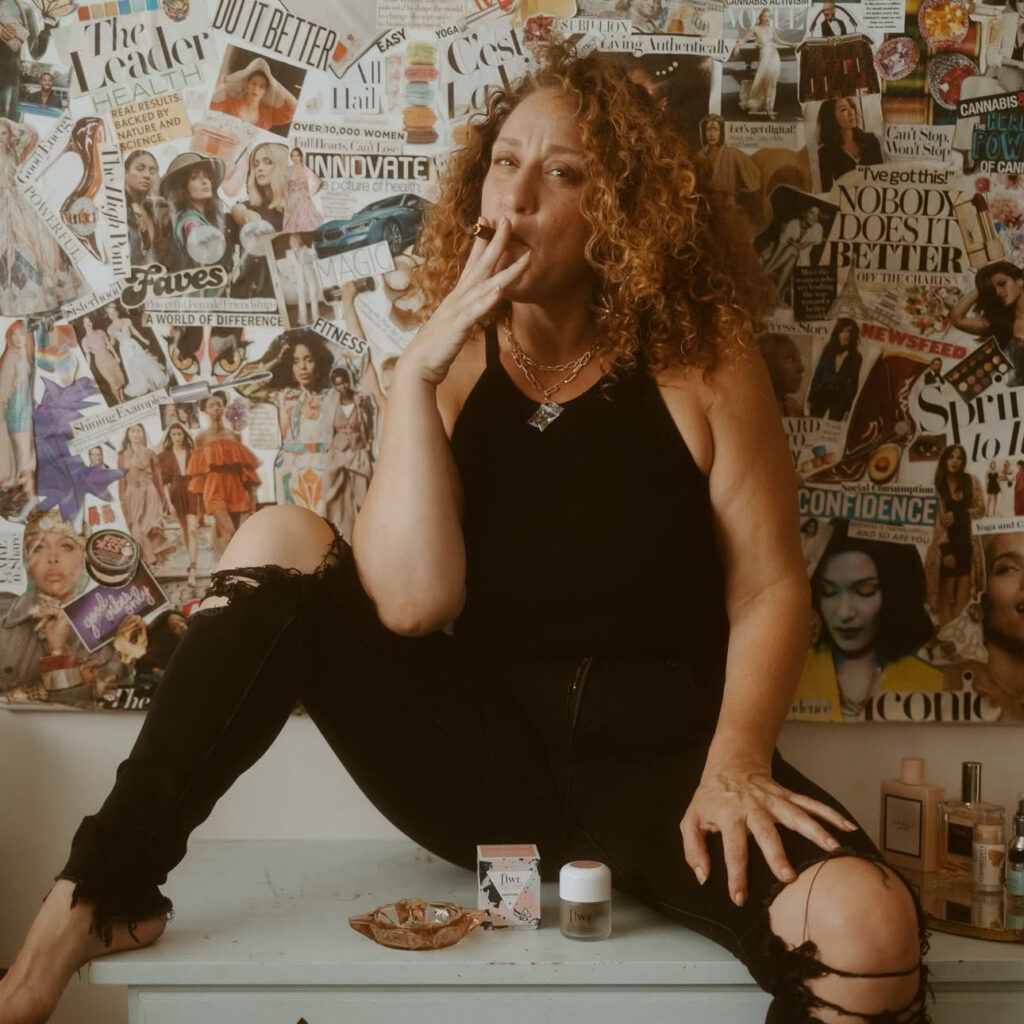
As The Real Potparazzi, her photography is built around making cannabis consumption look human, beautiful and intentional. She pushes against the old visual shorthand that smoking is dirty, women who consume are somehow less respectable, or cannabis culture can only be represented by clichés.
Her images use smoke, light, movement and portraiture to turn ordinary consumption moments into something closer to fine art. That is not superficial. Prohibition was built partly through imagery and stigma, and changing how people are seen is part of changing how the culture is understood.
For this tour, Lilli’s road experience and photography are connected. Safety, state-by-state laws, where they can stop, where they can sleep, what they can carry and how they document cannabis without putting themselves or their subjects at risk are all part of the story.
What They Are Actually Looking For
The tour plans to begin in Southern California and move through more than 40 states over six months, producing interviews, podcasts, photography, video, livestreams and written coverage along the way.
The content formats are the easy part.
The harder part is showing up in a community you do not know, finding the people who are not already on everybody’s media list, listening long enough to understand what matters there, and leaving people feeling like the coverage gave something back instead of simply taking their story.
Hillman is clear about that.
“This plant changed my life and since 2019 I’ve been on a mission to make sure as many people know the truth about their bodies and the plant and what’s possible for them,” she said. “My desire is that they feel seen, heard and appreciated for their work and excited that others can now find them. May the fruits of all our labors be rewarded.”
That is a useful standard for cannabis media in general.
Coverage can be extractive. A reporter, creator or brand rolls into town, gets the quote and the photo, posts the content and leaves. The subject may never hear from them again.
The better version creates some value on both sides. A small operator gets discovered. An advocate gets a bigger audience for the issue they have been carrying. A craft farmer gets context around why their work matters. A local community gets documented as something more than a market opportunity.
Vee has spent years doing that from the road. Ishqa and Lilli are going to have to figure out what their own version looks like.
And that is probably healthier than trying to copy hers.
Florida, Full Circle
There is already one stop on the 2027 route that feels like it deserves its own chapter.
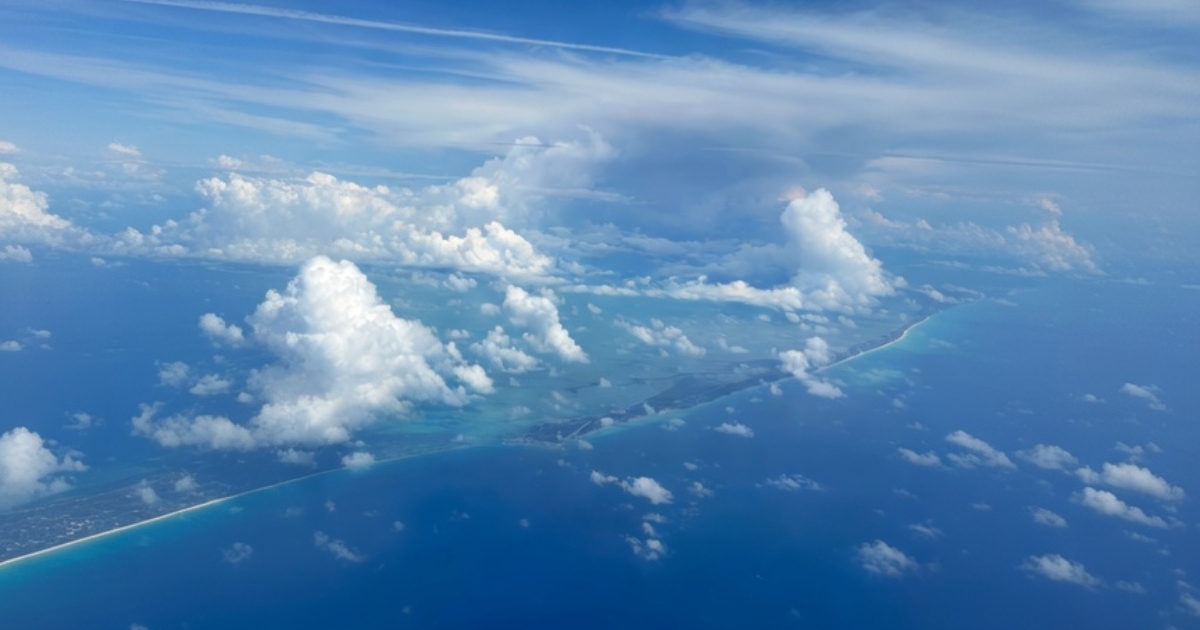
The tour is expected to reach Florida in April. Florida is Vee’s birthplace and home state, and she plans to link up with Ishqa there for coverage.
Neither of them is giving away much more than that yet, which is probably smart.
By then, Ishqa and Lilli will have a couple of months of road behind them. They will have stories that did not exist when the tour was announced, a better sense of what the country actually looks like from the van, and probably a few things that went completely differently than planned.
That is usually where the good reporting starts anyway.
Vee gets to meet the road again without having to live on it. Ishqa gets to carry the work forward without pretending she is someone else. Lilli gets to document the people and places through a lens cannabis has rarely been afforded.
And somewhere between California and Florida, the industry gets another chance to pay attention to people it might otherwise drive right past.
Maybe that is enough of a torch to pass: not a title, not a brand, just the willingness to keep showing up when the good story is three hours off-route.