Key Takeaways
- Hikers often use cannabis to enhance their experience, helping them feel more connected to nature and enjoy the scenery.
- A survey found that 80% of substance-using hikers prefer cannabis, while only a small percentage use alcohol or other substances.
- Research suggests that cannabis may improve the enjoyment of exercise, but does not necessarily boost athletic performance.
- Most hikers who use cannabis set strict limits, avoiding use on steep or exposed trails and not driving afterward.
- When hiking and cannabis are combined, users aim to slow down and appreciate their surroundings rather than seek intoxication.
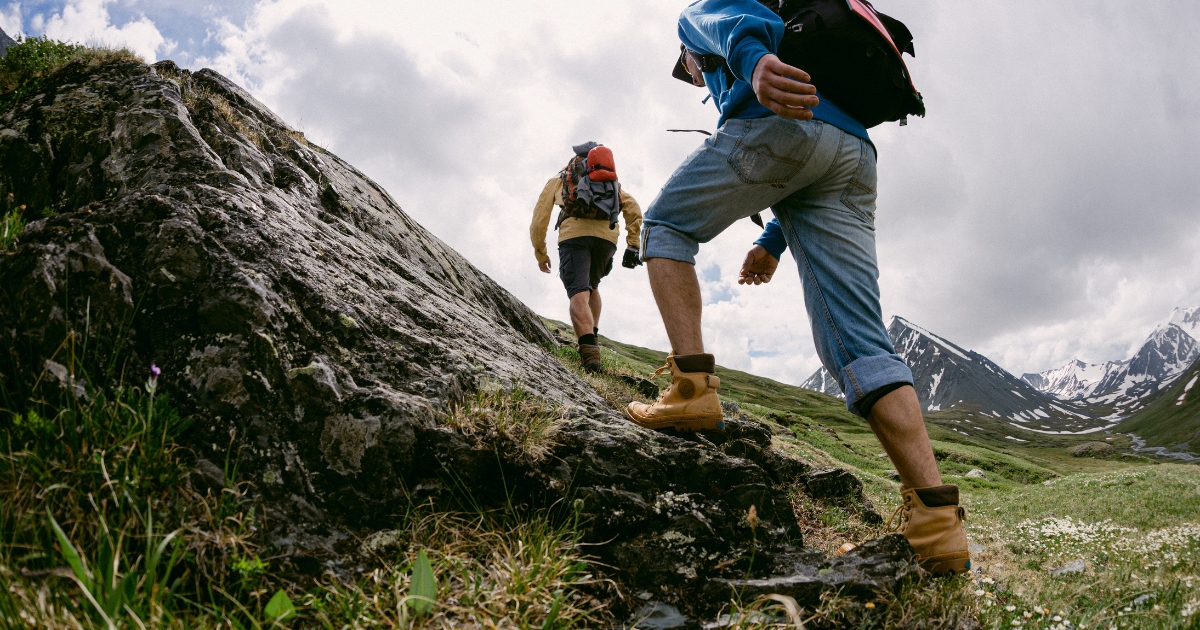
Ask a hiker why they packed a joint along with their water bottle, and the answer usually isn’t “to get buzzed.” A recent poll from trekking company Climbing Kilimanjaro surveyed 1,008 US adults who hike and found that cannabis use on the trail is tied less to intoxication and more to how it shapes the experience itself. Hikers who use cannabis said it helps them slow down, take in the view, and feel more present outdoors.
That framing lines up with a body of research on cannabis and exercise that’s been building for years, most notably a University of Colorado Boulder study that found regular cannabis users report more enjoyable workouts when they pair the two. Together, these findings paint a picture of cannabis as something woven into an active lifestyle rather than a replacement for it.
What Do Hikers Say Cannabis Adds to a Hike?
According to the Climbing Kilimanjaro survey, hikers who use substances on the trail aren’t chasing a high for its own sake. Among those who reported using cannabis or another substance while hiking, 48% said it helps them take in the scenery, and 45% said it helps them feel more connected to nature. Another 23% said it helps calm their nerves or push past a fear, such as heights or exposed edges.
Justin Mtui, a Kilimanjaro consultant for Climbing Kilimanjaro, told Marijuana Moment that cannabis and psychedelics “aren’t competing with the outdoor experience, but they’re becoming part of the journey, with hikers using them to help relax, take in the scenery and feel more connected to nature.”
Some hikers take that further by stepping away from their phones entirely. About 15% of users said they go fully off the grid when they use cannabis on a hike, skipping photos and social posts in favor of just being outside.
Cannabis was the most popular trail substance in the survey by a wide margin. Among hikers who use anything on the trail, 80% reach for cannabis specifically. Alcohol came in second at 23%, followed by nicotine at 21% and psilocybin at 15%. It’s worth noting this is a self-reported survey conducted by a trekking company, not a peer-reviewed clinical study, so the numbers describe attitudes and habits rather than clinical outcomes.
Does Research Back Up the Idea That Cannabis Makes Exercise More Enjoyable?
The hikers’ explanations track closely with findings from a 2019 University of Colorado Boulder study published in Frontiers in Public Health. Researchers surveyed 600 adult cannabis users across California, Colorado, Nevada, Oregon, and Washington and found that 82% had used cannabis within an hour before or four hours after exercise.
Among the 345 people who combined cannabis with exercise, 70% said it increased their enjoyment of the activity, 78% said it boosted recovery, and 52% said it heightened motivation. Co-users also reported roughly 43 more minutes of exercise per week than non-co-users, according to the study’s news release.
Senior author Angela Bryan, a CU Boulder professor of psychology and neuroscience, said the findings push back against a familiar stereotype: “There is a stereotype that cannabis use leads people to be lazy and couch-locked… these data suggest that this is not the case.” She was careful not to frame cannabis as a performance booster, however, adding, “The evidence is not there yet. But I am also not convinced it is harmful.”
Co-author Arielle Gillman noted that certain cannabinoids dampen pain perception, and the receptors cannabis binds to overlap with those activated during a runner’s high, which may help explain why hikers describe the experience as more immersive rather than more difficult. Notably, only 38% of co-users in the study said cannabis boosted performance, reinforcing that the reported benefit is about enjoyment and recovery, not athletic output.
Where Do Hikers Draw the Line?
For all the talk about enhancement, most hikers who use cannabis on the trail are strict about where they’ll do it. The Climbing Kilimanjaro survey found that 51% of users stick to short, easy trails close to home, while just 5% use cannabis on steep or technical climbs. Forest and woodland trails were by far the favored setting, chosen by 69% of users, compared with only 14% who’d use on a named summit or peak climb.
Nine in 10 users said there’s at least one place they’d never use cannabis or another substance. The top no-go zones were:
- Steep or exposed terrain (57%)
- Driving home afterward (54%)
- High altitude (51%)
Even so, about 19% of users admitted to doing something on the trail they wouldn’t have tried sober, most commonly going farther than planned (43%) or taking a harder route than usual (38%). Among hikers who stay substance-free altogether, safety was the top reason, and 46% said they avoid using simply to protect the natural experience as it is.
The overall pattern suggests hikers aren’t abandoning caution for enjoyment. They’re compartmentalizing: cannabis has a place on the easy, scenic miles, and a clear head takes over once the terrain demands full attention.
What Should Hikers Know Before Bringing Cannabis on the Trail?
If you’re planning to hike with cannabis, a few practical habits go a long way. Stick to trails you know well, since the survey data shows most users already favor familiar, low-difficulty routes over technical terrain. Pack enough water and snacks, since being outdoors for hours changes how your body processes anything you consume. And never plan to drive afterward. More than half of hikers who use substances on the trail said driving home is a line they won’t cross, and that’s a sound instinct regardless of what you used.
It’s also worth checking the rules before you go. Cannabis laws vary significantly by state, and land managers set their own policies regardless of state law, so it pays to check both local regulations and the rules for the specific trail or park system you’re visiting. Leave No Trace principles apply here too: pack out anything you bring in, including rolling papers, lighters, or empty containers.
The Trail Rewards a Clear Head When It Matters Most
The real story in this data isn’t how many hikers use cannabis. It’s how deliberately they use it. Hikers reach for cannabis to slow down and notice their surroundings, not to push limits, and the research on cannabis and exercise enjoyment backs up why that approach resonates. When the trail gets steep, exposed, or high altitude, though, the same hikers who light up on an easy forest loop say they’d rather stay sharp.
Whether you use cannabis on the trail or not, the takeaway is the same: match your approach to the terrain, know your route, and plan your way home before you plan anything else.
Frequently Asked Questions
According to the Climbing Kilimanjaro survey of 1,008 US hikers, 35% have hiked while under the influence of cannabis, making it the most popular substance used on the trail. Among hikers who use anything at all while hiking, 80% reach for cannabis specifically.
Some research suggests cannabis may enhance exercise, but the evidence isn’t conclusive. In a University of Colorado Boulder study, 70% of participants said it made exercise more enjoyable, and 78% said it helped recovery. However, the researchers didn’t claim it improves athletic performance.
Most hikers who use cannabis on the trail set clear safety limits. According to the Climbing Kilimanjaro survey, over half would never use it on steep or exposed terrain, drive afterward, or use it at high altitude. Most stick to familiar, easy trails.
Surveyed hikers said they use cannabis to enhance the experience, not to get high. Their top reasons were enjoying the scenery (48%), feeling closer to nature (45%), and easing nerves about things like heights (23%).
Cannabis rules vary by location. State laws differ, and land managers, including those overseeing federal land, may enforce stricter rules. Before bringing cannabis on a hike, check both state regulations and the rules for your specific trail or park.
- The Cannabis Trail And Other Cannabis Walking And Hiking Trails Near Me
- The Power of Walking: How Hiking Trails Near Me Tell the Story of Cannabis Culture
- Cannabis Makes Exercise More Enjoyable According To Study
- Traveling The Cannabis Trail Series #1- A Cultural Journey
- SAFE Banking Left Out of Senate Bill, While New CLIMB Act Gets Introduced