Key Takeaways
- MM Brands needs coordinated efforts across departments to expand its cannabis brands like Mary’s Medicinals and DIXIE into new markets.
- Licensing agreements initiate expansion but require extensive alignment of production, regulatory standards, and market strategies.
- Standard operating procedures alone do not ensure product consistency; hands-on training and experience transfer are essential.
- Local partnerships play a pivotal role in meeting consumer expectations by utilizing regional operators for manufacturing and distribution.
- Successful expansion hinges on collaboration across teams, where marketing, operations, and supply chain must work together to maintain brand integrity.
For MM Brands, expanding Mary’s Medicinals and DIXIE across state lines requires far more than licensing agreements. It demands coordinated work across leadership, operations, supply chain, sales, creative, and marketing to translate established brand recognition into reliable products and lasting retail relationships.
Expansion announcements can make growth sound straightforward: secure a partner, establish manufacturing, and enter a new state. The harder work begins after the agreement is signed.
Each market brings its own regulatory requirements, production capabilities, distribution networks, and consumer expectations. Even experienced partners need time to align those moving parts without compromising the products that built the brands’ reputations.
That challenge is central to MM Brands’ strategy. Following the January 2026 acquisition of the former BellRock Brands portfolio by KEY Investment Partners, the company began pursuing growth through licensed regional operators, including StateHouse Holdings in California, Fresh Coast Extracts in Michigan, and CURIO Wellness in Maryland.
In conversations with Beard Bros Media and written responses, MM Brands leaders described the work behind that strategy. Chief Commercial Officer Patrick Larkin addressed market & partner selection balanced with retail and wholesale execution; Director of Operations Beth Hull and Director of Supply Chain April Anderson explained production and supply planning; and Creative Manager Omar Scarborough and Marketing Manager Anastasia Papanikolaou explored brand identity and market readiness.


Signing a Deal Is Only the Beginning of Cannabis Brand Expansion
A licensing agreement creates a starting point, not a functioning business. Partners must still align responsibilities, production processes, regulatory obligations, and commercial expectations.
The legal and commercial negotiations are only an opening stage. During discussions with Beard Bros Media, Papanikolaou described how timelines that initially appear manageable can stretch as reviews continue, decision-makers juggle competing responsibilities, and operational questions emerge. The delays affect the departments waiting to build production schedules, supply plans, and launch campaigns. The strategic decision to enter a market belongs within a broader process of ensuring that each function can execute once an agreement is reached.
Cannabis introduces complications that companies in less fragmented industries may not encounter. Products cannot simply move across state lines to fill inventory gaps, and a brand’s established manufacturing operation in one jurisdiction does not automatically translate into the infrastructure required somewhere else. Each new market demands licensed production capabilities and business relationships that comply with its individual regulatory framework.
April Anderson, MM Brands’ Director of Supply Chain, described how those rules shape decisions well before production starts. “Regulations impact what we buy, where we buy, and how much we buy, and therefore require a lot of forward-thinking to keep new market launches on track.” Different rules governing sourcing, product components, and serving limits can force teams to rethink an established formula or supplier relationship in each state.
MM Brands must also integrate established brands and business practices. Acquisitions bring intellectual property and consumer recognition alongside vendor arrangements, internal systems, and procedures that need reassessment.
The dependencies multiply when several market initiatives proceed at once. Operations must evaluate the production capacity and training each partner needs; supply chain has to translate those plans into sourcing and inventory forecasts; the commercial team needs dependable availability before making commitments to retailers. Marketing and creative can build campaigns around those plans only when the product and channel realities are clear. Coordination is not a final step after each department finishes its work. It is how the launch plan is built.
Why Manufacturing an Established Brand Takes More Than an SOP
Standard operating procedures (SOPs) are essential to product consistency, but written instructions cannot by themselves transfer years of manufacturing experience.
An SOP may define the manufacturing process, but Hull’s operations team is responsible for ensuring that a new licensed producer can execute it. MM Brands’ approach, as Hull described it, involves reviewing equipment, ingredients, and process questions before production, then sending hands-on training support to the facility. That support continues when the partner needs troubleshooting. The goal is not simply to transfer a file; it is to build the competence required to reproduce an established product.
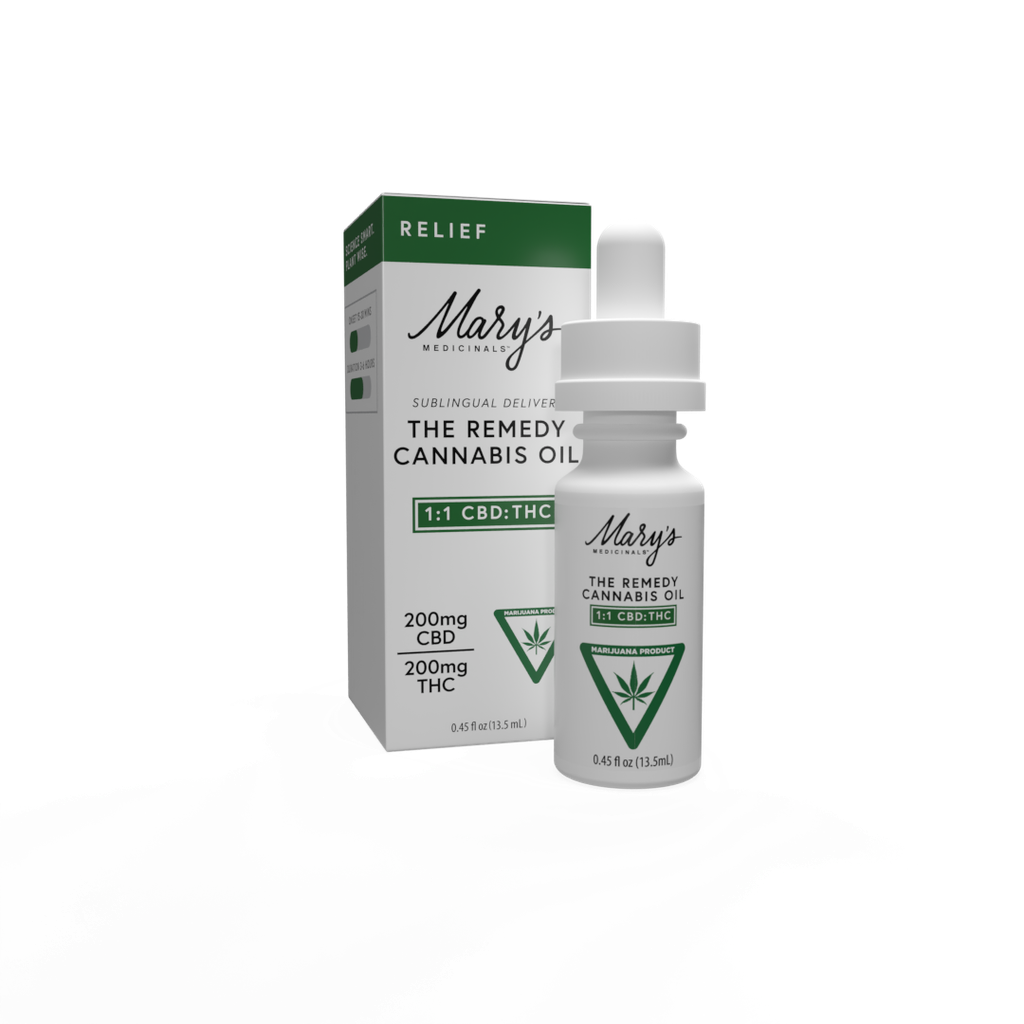
Mary’s Medicinals provides a particularly useful example. Founded in 2013, the brand developed a reputation around cannabis wellness products, including its transdermal patches. These specialized products require more than the familiarity a facility may already have with conventional gummies or topicals. Hull’s emphasis on training makes clear why that manufacturing expertise must be established in the new market rather than assumed.
Each licensed producer must adapt specialized formulations to its equipment, staffing, and state requirements. That requires practical technical support alongside written procedures.
That standard is especially important for Mary’s transdermal patches. “It’s always been important to our brand to make sure that a Mary’s patch in California is identical to one in Michigan,” said Beth Hull, MM Brands’ Director of Operations. Hull described a training process that begins with discussions of equipment, ingredients, and procedures, then continues with an on-site trainer until the new production team is comfortable working to the brand’s standards. Written instructions provide a foundation, but the transfer of experience is what makes consistent execution possible.
The importance of that process extends well beyond manufacturing efficiency. Established brands depend on consumers recognizing and trusting the products they purchase. If a familiar product changes noticeably after entering a new market, the resulting disappointment can affect the reputation of the brand itself, regardless of which licensed company manufactured it. Maintaining the standards that originally established consumer loyalty therefore becomes a central part of expansion rather than an issue to address after products reach dispensary shelves.
Consistency, however, does not require identical messaging everywhere. Omar Scarborough, MM Brands’ Creative Manager, described local positioning as a matter of relevance rather than reinvention: “You’re not changing your brand. You’re just narrowing in on where it aligns in that region.” For Mary’s Medicinals, that might mean considering local recreational activities or wellness interests; for DIXIE, it may mean connecting with how consumers in that market spend their leisure time. The identity remains recognizable even when the point of entry into the conversation changes.

Expansion Markets Demonstrate the Importance of Local Partnerships
National recognition alone cannot sustain a cannabis brand in every state. MM Brands works with regional operators whose manufacturing capabilities, distribution networks, and local expertise can support the expectations consumers already associate with Mary’s Medicinals and DIXIE.
In California, MM Brands’ partnership with StateHouse Holdings established a framework for manufacturing Mary’s Medicinals and DIXIE through StateHouse’s licensed subsidiaries. NABIS supports wholesale fulfillment, logistics, and distribution. According to MM Brands, Mary’s Medicinals currently ranks among the top three brands on the NABIS Marketplace platform—a position that underscores the importance of converting brand demand into dependable retail service.
Announced in May 2026, the StateHouse arrangement was designed to improve availability and broaden retail access. Sustaining that reach requires coordinated production planning, inventory management, and consistent replenishment—not simply an expanded distribution footprint.
Michigan illustrates a different challenge: strengthening the infrastructure behind brands with established recognition and retail relationships. Fresh Coast Extracts supports manufacturing for Mary’s Medicinals and DIXIE, with an emphasis on production consistency and reliable product availability.
MM Brands has also partnered with Yield Distributing to support wholesale distribution, field sales, account management, and trade marketing. The commercial priorities are to serve existing accounts, reactivate historically productive retailers, and identify new placements using purchasing history and local demand. Those efforts must stay connected to production and inventory plans so that retailers can count on replenishment, not just an initial shipment.
In Maryland, CURIO Wellness provides an established manufacturing and commercial foundation for DIXIE. Its local capabilities and retail relationships allow the partnership to focus not only on maintaining distribution but also on improving account performance.
The teams can use sales trends and consumer preferences to refine assortments, explore new products, coordinate promotions, and expand retailer engagement. These decisions are most effective when tied to actual sales velocity and product availability.
Quarterly joint business planning creates a framework for reviewing performance, forecasting production, evaluating innovation, and coordinating trade marketing. It also helps keep commercial ambitions aligned with manufacturing capacity and inventory.
Across these markets, the objective is the same: combine the brand’s established equity with a local partner’s capabilities to improve retailer service and create a foundation for durable growth.
The approach necessarily varies by market. Mature markets offer purchasing histories and relationships that can guide account priorities; newer markets require more groundwork in regulation, product selection, education, and activation. In either case, expansion depends on capable partners, reliable supply, and plans grounded in how products sell through retail.
Patrick Larkin, Chief Commercial Officer of MM Brands, described the balance between opportunity and execution: “Ultimately, the right opportunity is one where the market has meaningful long-term potential and we have confidence that the infrastructure and partnership are there to build something sustainable. Expanding into additional states is not, in itself, a measure of success. What matters is our ability to establish a commercially viable business in each market, build lasting retail relationships, and consistently deliver products that meet consumer expectations.”
Scaling Cannabis Brands Requires Collaboration Across Every Department
As MM Brands expands Mary’s Medicinals and DIXIE, decisions increasingly cross departmental lines. Marketing works alongside sales, operations, and supply chain on product launches, retail programming, and market readiness. A change in one area can quickly alter the plans of the others.
Papanikolaou’s marketing perspective is particularly useful in showing how those connections work. The job is not simply to create assets and promote a launch after a date has been selected. Brand positioning, packaging, retailer support, sales needs, and the actual availability of products have to be considered together. Her description of the evolving function reflects deeper collaboration with commercial and operating teams, not merely an expansion of public relations duties.
Anderson’s supply-chain perspective shows why regular planning is essential to that collaboration. In her contributor response, she emphasized communication among Supply Chain, Operations, and Sales, including recurring sales-and-operations planning meetings and a project manager who can keep launch timelines aligned. Production forecasts, inventory decisions, and retail expectations need to inform one another before a market launch and after it is underway.
Changes in purchasing, inventory systems, or assortments ripple across departments, making shared planning and clear ownership essential as the network of partners grows.
MM Brands has therefore prioritized production, inventory, distribution, and retail readiness before substantially increasing broader media investment. The sequence is deliberate: build the ability to meet demand before accelerating it.
When retailers can reorder and consumers can reliably find the products, marketing can turn recognition into repeat purchases.
Papanikolaou offered a concrete example from Michigan: MM Brands had developed new DIXIE gummy flavors and prepared the packaging and marketing campaigns, but chose to postpone the launch until production and inventory could consistently support consumer demand. As the company works with Fresh Coast Extracts to establish reliable availability, those campaigns can be introduced when the market is positioned to support them. In her words, “marketing should amplify a healthy operation, not try to compensate for one that is still being built.” The decision connected a marketing calendar to a clear operational standard, illustrating why teams must make launch decisions together.
Commercial readiness adds another dimension. Larkin’s team must consider whether a product assortment fits local consumers, whether retailers have the education and support they need, and whether inventory can sustain repeat purchases. Creative and marketing teams can adapt the presentation to a local audience, but they depend on the same operating facts that shape sales commitments. The shared objective is a consumer experience that matches what the brand promises.
That coordination continues after launch, when consistent operations give teams more room to pursue growth instead of responding to disruptions.
Taken together, the leaders’ perspectives reveal what expansion headlines often leave out: operations transfers manufacturing knowledge; supply chain navigates sourcing and regulation; commercial teams build and service retail relationships; and creative and marketing protect the brand while adapting its message to local audiences.
For MM Brands, the test is not how many markets Mary’s Medicinals and DIXIE enter, but whether each one can support a reliable, repeatable business without compromising the consumer experience. Agreements open the door; sustained execution builds the business.