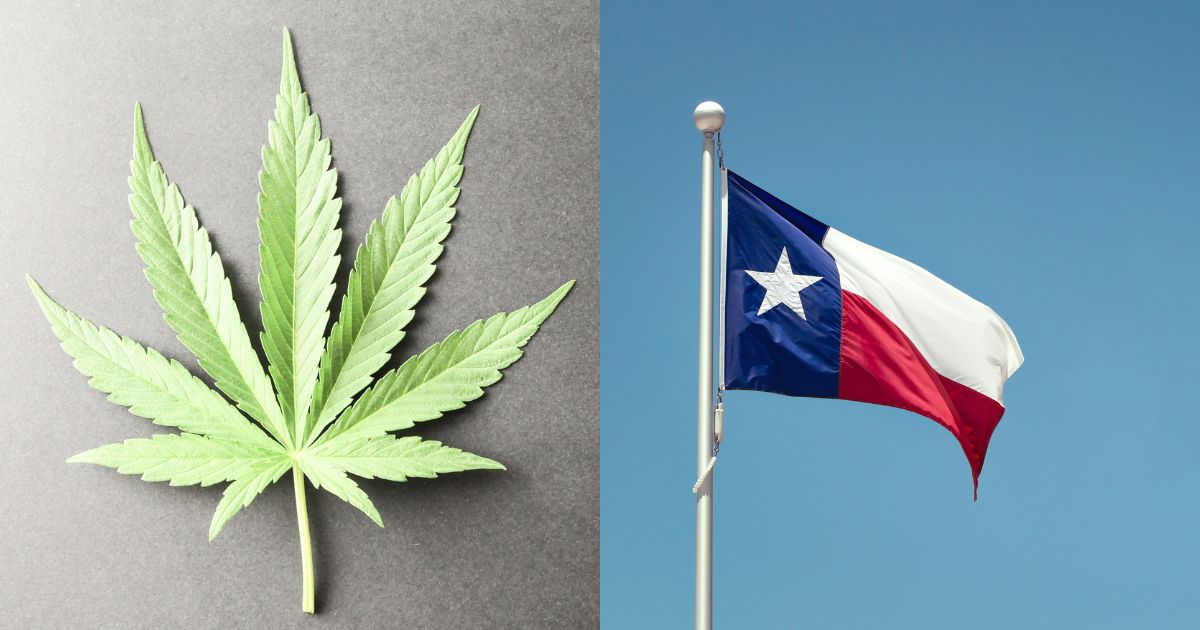
For years, Texas has maintained some of the strictest drug laws in the nation, slowly yielding only to a highly regulated medical marijuana program and a complex hemp market. Yet, the people living within its borders are increasingly voicing a different preference. Recent election cycles and polling data suggest a growing disconnect between current legislation and the will of the electorate.
An example of this shift has emerged during the recent Texas primary elections. According to reporting from Marijuana Moment, a massive 80% of voters who selected a Democratic primary ballot approved a non-binding proposition supporting marijuana legalization and the expungement of past convictions.
Breaking Down the Proposition 8 Results
During the primary election, major political parties in Texas have the opportunity to place non-binding advisory questions on the ballot. These propositions do not directly change state law. Instead, they serve as a valuable tool for party leaders to gauge the priorities of their base and shape future campaign messaging.
The Texas Democratic Party utilized one of these slots to test the waters on cannabis reform. Known as Proposition 8, the yes-or-no question presented to voters was straightforward.
Voters were asked to respond to the following statement:
“Texas should legalize cannabis for adults and automatically expunge criminal records for past low-level cannabis offenses.”
By pairing adult-use legalization with automatic record expungement, the proposition addressed both the economic and criminal justice aspects of cannabis reform. Preliminary election results showed that 80% of participants voted “yes,” compared to just 20% who opposed the measure.
It is important to note the mechanics of Texas elections to fully understand these results. Texas operates under an open primary system. Voters do not need to register with a specific political party to participate in that party’s primary election. Any registered voter can choose to cast a ballot in either the Democratic or Republican primary.
Because of this open system, the 80% approval rate likely captures a broad coalition of progressive voters, independents, and even some moderate Republicans who chose the Democratic ballot specifically to weigh in on issues like Proposition 8.
Statewide Polling Shows Widespread Consensus
While the primary results reflect the views of those who voted on the Democratic ballot, recent academic research proves that support for cannabis reform stretches far beyond a single political party.
The Hobby School of Public Affairs at the University of Houston conducted an extensive survey assessing the policy preferences of Texans. Their findings, released last year February, mirror the momentum seen at the ballot box and reveal fascinating demographic breakdowns.
Support for Medical and Decriminalized Use
The University of Houston survey found that 79% of Texans support legalizing marijuana for a wide range of medical purposes with a doctor’s prescription. This nearly unanimous agreement crosses party lines, with 86% of Democrats and 75% of Republicans backing medical expansion.
Furthermore, 69% of Texans support decriminalizing the possession of marijuana for personal use. Decriminalization would treat minor possession similarly to a minor traffic violation, significantly reducing the burden on the state’s criminal justice system.
The Push for Recreational Legalization
When it comes to full adult-use recreational legalization, the survey indicates that 62% of Texans support legalizing the sale and use of marijuana for recreational purposes for adults aged 21 and older.
Breaking this down politically, 71% of Democrats and 53% of Republicans support recreational legalization. The data also highlights strong support among specific demographics.
For instance, 70% of Latino Texans favor recreational legalization, compared to 59% of white Texans. The findings paint a picture of a state that is largely ready to abandon strict prohibition in favor of a regulated market.
The Current State of Cannabis in Texas
Despite the clear messaging from voters and pollsters, actual legislation in Texas remains highly restrictive. Current law classifies the cultivation, sale, and possession of marijuana as a crime.
The state does operate the Compassionate Use Program, which allows a limited number of patients to access low-THC cannabis products with a physician’s approval. Recent administrative changes have slightly expanded this program.
The Department of Public Safety (DPS) recently approved new medical marijuana business licenses, a move that will gradually increase the number of operating dispensaries across the massive state. Additionally, the Department of State Health Services finalized rules to allow doctors to recommend new qualifying conditions for patients.
Simultaneously, state lawmakers are grappling with the booming, unregulated market of consumable hemp products. Since the federal legalization of hemp in 2018, thousands of retail outlets in Texas have taken advantage of legal loopholes to sell products containing high levels of intoxicating THC.
Lawmakers are actively debating whether to implement strict regulations on these products or attempt an outright ban, further complicating the state’s relationship with cannabis derivatives.
Will the Primary Vote Lead to Cannabis Legalization in Texas?
Because Proposition 8 was an advisory question, the immediate legal status of cannabis in Texas remains unchanged. The 80% approval rating will not open recreational dispensaries tomorrow, nor will it clear anyone’s criminal record today.
However, the political implications could be substantial. The Texas Democratic Party issued a statement following the primary, noting that the results reflect growing support for a smarter, fairer approach to cannabis policy. Party officials said that these results will help candidates articulate their positions on criminalization and personal freedoms heading into the general election.
For lawmakers paying attention, the data is undeniable. A significant number of voters across the political spectrum are dissatisfied with how state officials are handling cannabis laws. By clearly documenting this dissatisfaction at the polls, voters are effectively applying pressure on their representatives to propose and pass meaningful reform during upcoming legislative sessions.
- Studies Show Patients Substitute Cannabis for Alcohol, Opioids
- Bipartisan House Group Pens “Joint Memo” On Marijuana Legalization
- Texas House Committee Advances SB 1870, Ignoring the Voice of Cannabis Reform Supporters
- New Mexico Retail Shops Counting on Texas to Score Big
- Texas Compassionate Use Program Expands With Announcement of 9 New Licenses