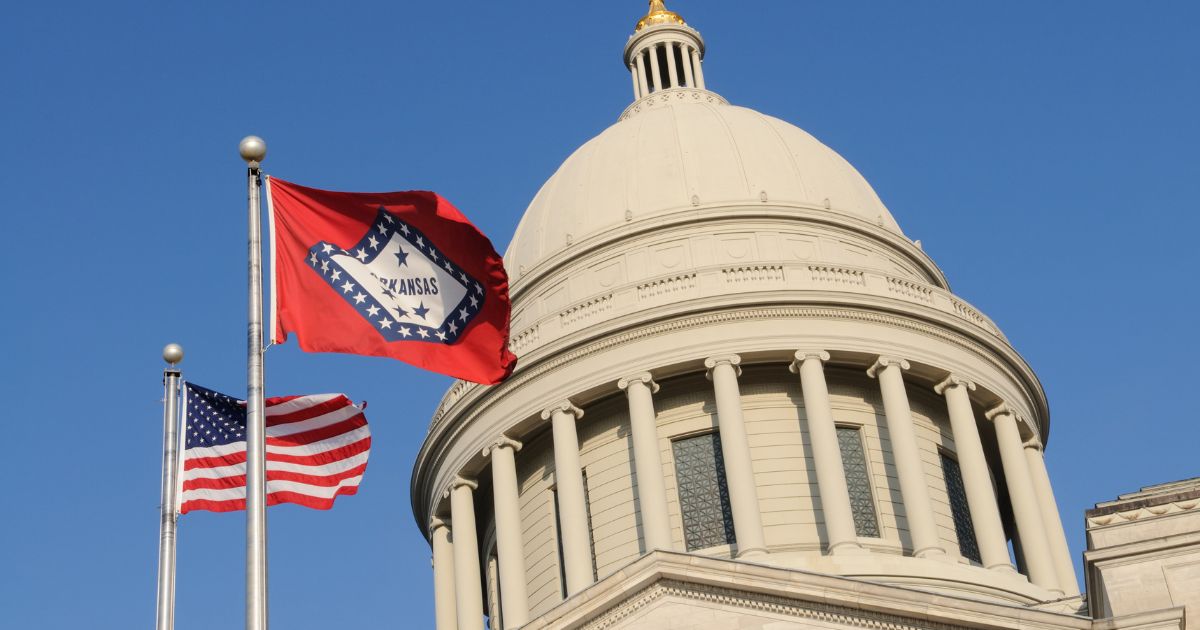
Arkansas Attorney General Tim Griffin recently certified Act 934 of 2025, clearing the way for the state to enforce strict regulations on intoxicating hemp products. This move wraps up a lengthy legal battle over Arkansas hemp laws. It also effectively shuts down the sale of items like Delta-8 and THC-O.
If you spend any time tracking the cannabis space, you know this shift has been brewing for a while. The legal gray area created by 2018 Farm Bill allowed a massive market of synthetic and naturally derived cannabinoids to flourish. Now, state governments are stepping in to draw hard lines. Let’s take a look at what’s happening in Arkansas. We’ll also cover the history behind the legal fight, and what this certification means for consumers and patients going forward.
Road to Act 934
The push to regulate Arkansas hemp didn’t start this year. The foundation was laid back in 2023 when state lawmakers passed Act 629. This initial legislation aimed to combat the spread of hemp-derived products. Officials argued these items were being sold at gas stations and convenience stores without age restrictions. Arkansas lawmakers argued that these products appeared in bright, candy-like packaging that appealed to children.
Lawsuits and the 2023 Injunction
Almost immediately after the 2023 law passed, an industry coalition filed a lawsuit to block it. The high-profile case, Bio Gen LLC v. Sanders, challenged the ban on constitutional grounds. A federal district judge granted a preliminary injunction, putting the state’s enforcement plans on pause.
The plaintiffs successfully argued at the time that the state law was likely preempted by the 2018 Farm Bill. The federal law legalized hemp at the federal level and protected its interstate transport.
However, the state appealed the decision. In the summer of 2025, the U.S. Court of Appeals for the Eighth Circuit reversed that injunction. The appellate court found that the federal Farm Bill did not expressly preempt the state from regulating hemp production and sales more stringently within its own borders.
This ruling allowed the state’s Department of Finance and Administration to start pulling products off the shelves. In just a few months, enforcement agents seized more than 6,000 illegal items. With the underlying lawsuit finally reaching a final judgment in favor of the state, AG Griffin certified Act 934. This move officially cemented the Arkansas hemp ban into law.
Impact on Patients and Hemp Derived Wellness Products in Arkansas
With these new regulations locked in, the retail landscape looks drastically different. While the primary goal of the legislation is to keep intoxicating substances away from minors, the ban undeniably affects adults who rely on these items for symptom relief. Many consumers use hemp derived wellness products as an accessible alternative to traditional medical marijuana.
Since recreational marijuana remains illegal in Arkansas, hemp-derived Delta-8 and Delta-9 gummies offered a legal workaround for those seeking mild psychoactive effects to manage stress, sleep issues, or chronic pain. The barrier to entry for the state’s official medical marijuana program can be high. It involves doctor visits, application fees, and annual renewals. Hemp products provided an easy, over-the-counter solution.
Now, patients without a state-issued medical marijuana card lose access to these specific remedies. The new law forces consumers to navigate a much narrower market. They must either limit their options to non-intoxicating CBD goods or go through the formal channels to qualify for the medical cannabis program.
The Federal Backdrop and the Looming November Deadline
What happens in Arkansas is just one piece of a much larger puzzle. The current federal framework relies on the 2018 Farm Bill, which legalized hemp by defining it as a cannabis plant containing 0.3% or less Delta-9 THC on a dry weight basis. This definition unintentionally created a thriving, multi-billion dollar market for intoxicating hemp products derived from legally grown CBD.
But a massive shift is on the horizon. Recent federal legislative amendments have set a hard deadline of November. Then, a new definition of hemp will take effect at the federal level, relying on a “Total THC” standard rather than just Delta-9. This change will close the “loophole” and effectively ban most intoxicating hemp products nationwide.
Unless new legislation is passed before that November deadline to protect the current market, the federal government will align much more closely with the strict regulations we are seeing at the state level today.
Frequently Asked Questions
On a molecular level, Delta-9 THC derived from hemp is exactly the same as Delta-9 THC derived from marijuana. The only difference is the specific plant it was extracted from. However, other popular hemp-derived cannabinoids like Delta-8 are chemically different isomers, offering a slightly milder psychoactive experience.
Yes, non-intoxicating CBD products that meet the legal threshold remain available. The new regulations specifically target intoxicating derivatives.
The law includes a savings clause that protects the continuous interstate transportation of federally legal hemp. Businesses can still move compliant goods across state lines, provided they do not stop to sell them locally.
Lawmakers and the Attorney General cited public health concerns, noting that intoxicating hemp items were frequently sold without age gates and packaged in ways that could easily be mistaken for standard candy.
Yes, hemp-derived wellness products that comply with federal and state guidelines remain legal. These products must not contain intoxicating levels of THC and should meet all labeling, safety, and testing requirements to ensure they are safe for consumers.
Key Takeaways
- Arkansas Attorney General Tim Griffin certified Act 934 of 2025, enforcing strict regulations on intoxicating hemp products.
- The legislation aims to protect minors from products like Delta-8 and THC-O, leading to significant market changes for consumers.
- Historically, the 2018 Farm Bill allowed a gray market for hemp, but states are now taking action to regulate it more stringently.
- The new law negatively impacts adults who rely on hemp-derived products for relief, limiting their options significantly.
- Upcoming federal changes to the definition of hemp may further align regulations nationally, closing loopholes for intoxicating products.
- Arkansas Collects Enough Signatures For Rec Bill To Make Ballot
- New York Retail Operators Left In Limbo Again After Court Extends Injunction
- Reluctant Arkansas State Officials Can No Longer Ignore Neighboring Cannabis Success Stories
- Arkansas Approaching $1 Billion In Medical Marijuana Sales
- Arkansas Medical Marijuana Initiative Seeking to Broaden Access Invalidated by Secretary of State