The cannabis industry loves to talk about opportunity. It loves headlines about billion-dollar markets, new state launches, and the next wave of innovation. But if you’ve been paying attention, you already know the truth. Opportunity isn’t evenly distributed, and in cannabis, it never has been.
That’s where BIPOCAann comes in. Not as another feel-good initiative or a checkbox for corporate social responsibility, but as a real, operational answer to a problem the industry has been dancing around for years. The gap between social equity policy and actual business success is wide, messy, and full of landmines. BIPOCANN was built to walk straight into that gap and start building something that works.
The Moment That Sparked It
To understand BIPOCann, you have to rewind to a time when the cannabis industry was booming on the surface but showing cracks underneath. Back in the late 2010s, massive conferences and global expansion were defining the space. Deals were happening. Money was moving. New markets were opening. But there was something missing, and it wasn’t subtle.
The people who had been most impacted by cannabis prohibition were not the ones benefiting from legalization. Ownership didn’t reflect the communities that had paid the highest price during the War on Drugs. Representation was thin. Access was limited. And while conversations about equity were starting to gain traction, most of them stopped at the same place. Licenses.
Getting a license became the headline goal. States rolled out social equity programs designed to increase access, and on paper, it looked like progress. But once those licenses were issued, reality set in. Operators were left to navigate one of the most complex, capital-intensive industries in the country with little support, limited resources, and a long list of people ready to take advantage of them.
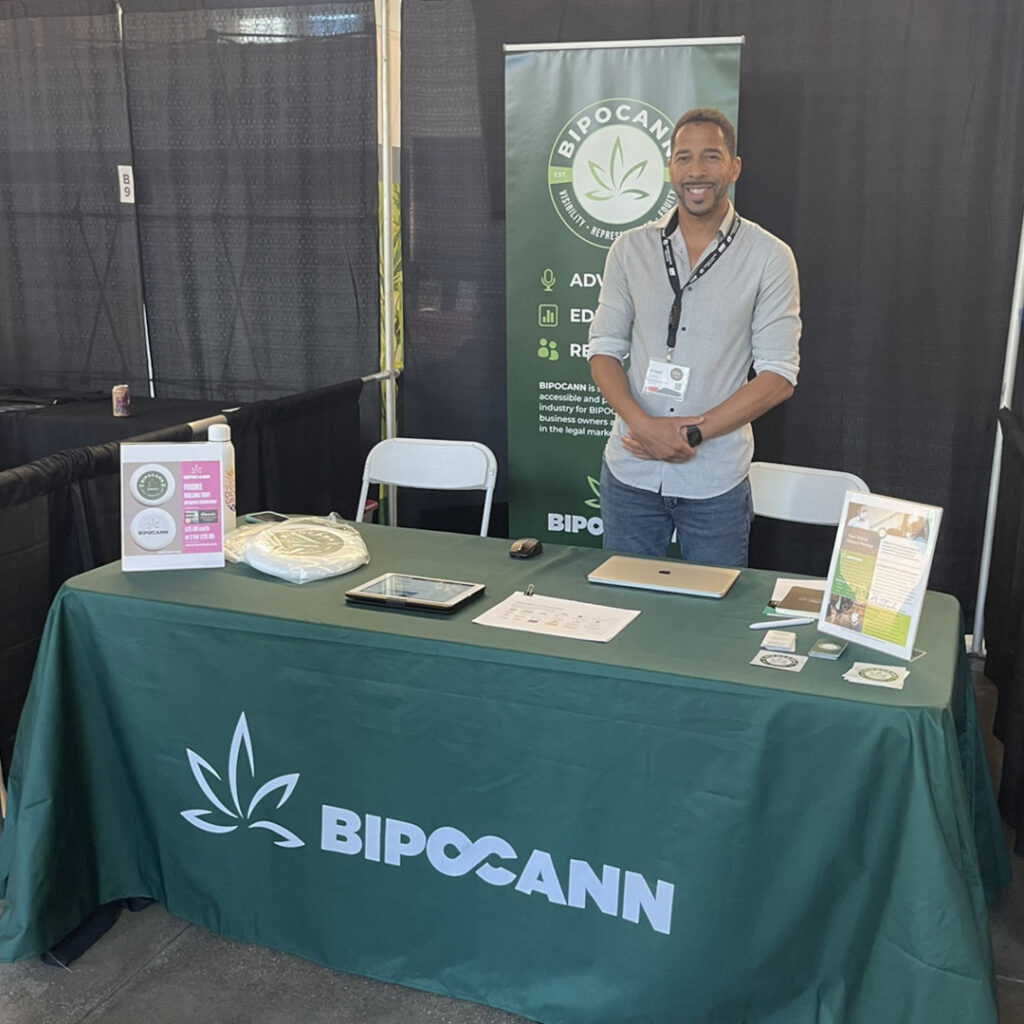
As Ernest Toney, Founder and Principal of BIPOCann, put it, “It seemed like everything was about ‘how do we get people access to licenses?’ And it wasn’t about ‘how do you actually help folks start and sustain a business?’”
That disconnect was impossible to ignore. It was also the moment BIPOCann began to take shape.
Building in the Middle of Chaos
BIPOCANN launched in 2020, right as the world hit pause. COVID shut down in-person events, disrupted business models, and forced the entire cannabis industry to rethink how it operated. At the same time, conversations around social equity, systemic inequality, and economic inclusion were reaching a boiling point.It was the perfect storm.
With deep roots in cannabis business events and partnerships, Ernest Toney had already seen how the industry operated from the inside. Cannabis is a relationship-driven business. It runs on access, information, and who you know just as much as what you know. That’s not a secret, but it is a barrier. So instead of trying to fix policy, BIPOCann focused on something more practical. It focused on what happens after the license.
The early days were less about building a brand and more about building a network. BIPOCANN started as a connector, bringing together trusted service providers across the supply chain. Legal, finance, compliance, operations, marketing, and everything in between. The goal was simple. If someone had an idea or a license, they shouldn’t have to figure everything out from scratch. That network became infrastructure.
From Connector to Accelerator
What started as introductions quickly turned into something deeper. Founders needed more than referrals. They needed guidance, strategy, and someone who understood what they were actually dealing with on the ground. So BIPOCann leaned in.
Instead of charging operators who were already stretched thin, the focus shifted to mentorship and hands-on support. Real conversations. Real problem solving. Real outcomes. That meant helping operators secure their first retail partnerships, navigate compliance hurdles, build visibility, and start generating revenue. It didn’t take long to see results.
Businesses that were stuck started moving. Founders who felt isolated found a community. And perhaps most importantly, operators started to gain confidence in their ability to compete. That’s when the model clicked.
The Mentorship Program That Changed the Game
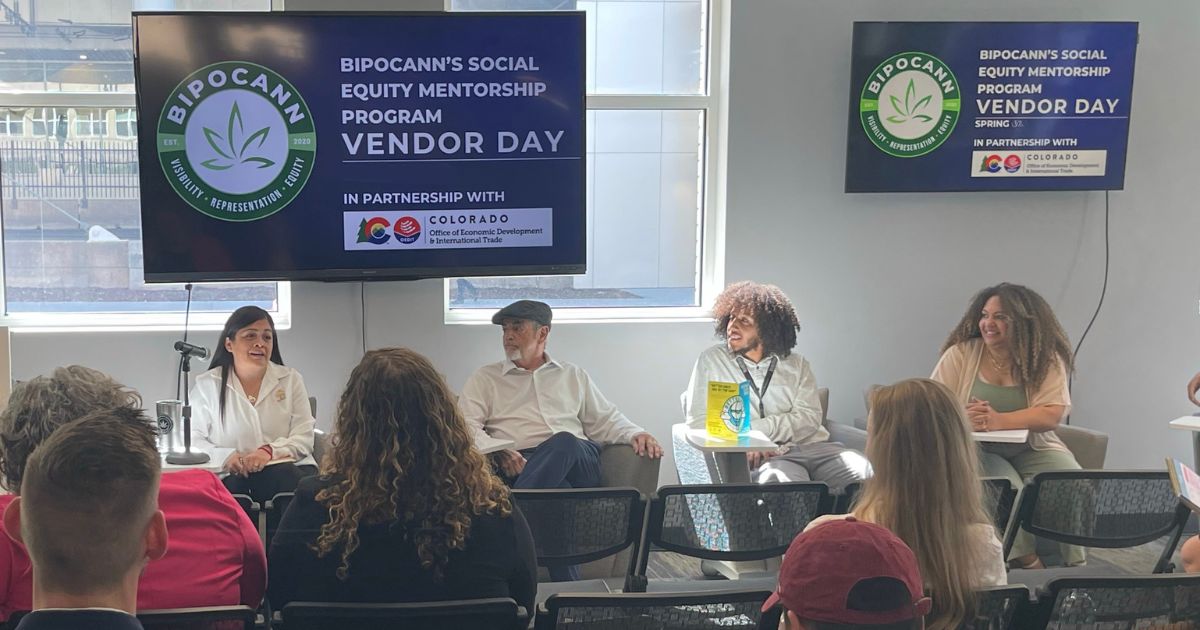
In 2022, BIPOCann took a major step forward by partnering with Colorado’s Cannabis Business Office. At the time, the state was rolling out grant funding for social equity licensees. It was a strong move, but there was a missing piece. Money without strategy doesn’t go far.
BIPOCann proposed a solution. Pair those grant dollars with mentorship and technical assistance to help operators use the funds effectively. The state agreed, and the first pilot program launched with a small group of businesses. It wasn’t perfect. It wasn’t polished. But it worked.
From that pilot, BIPOCann built a structured mentorship program that has continued to evolve every year. What started as a rough framework turned into a 15-week cohort-based experience designed to meet founders where they are and move them forward with intention.
Today, that program includes hands-on mentorship, expert-led workshops, financial training, and direct access to industry operators who have already navigated the road ahead. And the results speak for themselves.
BIPOCann has supported more than 60 equity-licensed operators, helped secure over $1.5 million in grant capital, facilitated more than 40 retail placements, and guided founders toward investor readiness and sustainable growth. This is not theory. This is execution.

Adapting When the Industry Shifts
If there’s one constant in cannabis, it’s change. Regulations shift. Markets tighten. Funding dries up. And in Colorado, that last one hit hard. Over time, state funding for equity programs was reduced and eventually cut to its lowest level. Grants disappeared, but the need for support didn’t. If anything, it became more urgent. That forced another evolution.
Instead of relying on grants, BIPOCann stepped into a new role. It became a contracted partner to continue delivering mentorship and business support without direct funding to operators. That meant focusing even more on fundamentals.
Financial literacy became a core pillar. Operators learned how to build projections, understand their numbers, and create realistic growth plans. Pitch development became a priority, with founders leaving the program not just with ideas, but with investor-ready materials and a clear narrative. The goal shifted from access to capital to readiness for capital.
Because the reality is simple. Capital flows to businesses that are prepared. As Toney explains, “Dollars are one thing, but if you don’t have a plan for how to use that, it’s going to fall short.”
A Different Kind of Growth Model
BIPOCANN doesn’t operate like a traditional accelerator, and that’s intentional. It wasn’t built in a boardroom with a stack of venture capital behind it. It was built in the field, alongside operators who were figuring it out in real time. That matters.
The businesses coming through BIPOCann’s programs are not chasing hype. They are building real companies, often with limited resources and a deep understanding of their markets. They are not asking for millions to burn through. In many cases, a modest amount of capital paired with the right strategy can change everything. That’s where BIPOCann thrives.
By focusing on practical support, trusted relationships, and long-term sustainability, it has created a model that doesn’t just help businesses start. It helps them survive and grow.
Why This Work Matters More Than Ever
Cannabis is no longer the Wild West, but it’s far from stable. Markets are maturing, margins are tightening, and competition is getting smarter. For social equity operators, the stakes are even higher. Without the right support, the barriers become overwhelming.
BIPOCann exists to remove those barriers, one business at a time. It creates access where there wasn’t any. It builds confidence where there was uncertainty. And it proves that with the right combination of strategy, mentorship, and community, equity operators can compete and win. This isn’t about charity. It’s about building a stronger, more representative industry that actually reflects the people who built it.
What Comes Next
Right now, BIPOCann is focused on going deeper, not wider. Colorado remains the home base, with more work to be done and more impact to create. But the demand for this model is growing, and other markets are starting to take notice. Expansion will come when it makes sense. Not because it’s trendy, but because it’s needed.
At the same time, BIPOCann is exploring new ways to bring in capital and support. Partnerships, sponsorships, and eventually dedicated funding mechanisms are all part of the conversation. Because if there’s one thing this journey has proven, it’s that impact doesn’t require massive war chests. It requires intention, execution, and people willing to do the work.
The Bottom Line
BIPOCann didn’t start with a grand plan to become a major player in the cannabis industry. It started with a simple observation that something wasn’t working and a willingness to do something about it. Six years later, it has become a critical piece of the ecosystem.
It connects founders to resources. It turns ideas into businesses. It transforms access into opportunity. And it does all of that without losing sight of the people it was built to serve. The cannabis industry talks a lot about equity. BIPOCann is what it looks like when someone actually builds it.
If you’re a social equity operator looking for real support, or a partner ready to invest in meaningful impact, now’s the time to get involved. Learn more at https://bipocann.com/ and be part of building something that actually works.