Real-world cannabis data is essential for responsible regulation, patient and consumer safety, and informed public health decision-making.
Management Science Associates (MSA) uses real-world evidence to better understand cannabis through a health and wellness lens, translating data into insights that inform stakeholders across every sector of t he cannabis industry.
Cannabis legalization continues to expand across the United States. State by state, legislatures pass medical cannabis programs and then shift their focus toward adult-use frameworks. Currently, many stakeholders are closely watching Virginia as it shapes its regulatory landscape. As a former Capitol Hill staffer and lobbyist, I understand both the policy process and the momentum behind advocacy efforts aimed at reform. We are certainly seeing that momentum in the cannabis industry. However, one critical component is still missing from many policy conversations: robust real-world evidence.
During my time in Washington, D.C., I met with congressional offices to discuss banking reform, descheduling, 280E, and the broader implications of Schedule I status on state-legal cannabis markets. While those policy issues are vital, I often felt that our messaging lacked one of the most fundamental components: science. Specifically, how is cannabis affecting Americans’ health?
At Management Science Associates (MSA), a data analytics firm with more than 60 years of experience managing large and complex datasets across multiple sectors, we are working to help answer that question. Through observational research and real-world data analysis, MSA examines how cannabis utilization correlates with specific health and wellness outcomes. This type of evidence is increasingly valuable to policymakers, regulators, healthcare professionals, and industry leaders seeking informed, data-driven guidance.
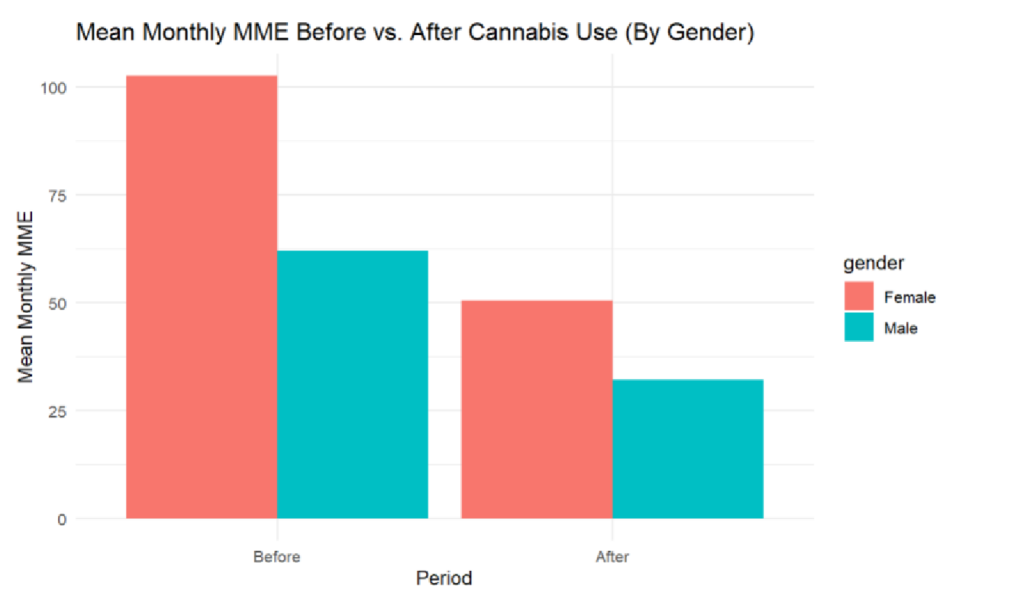
Recent case studies in Utah, Pennsylvania, and Minnesota have revealed promising findings related to cannabis utilization and prescription reduction, particularly in areas such as pain management and insomnia.
In Pennsylvania, we analyzed cannabis utilization in correlation with opioid prescriptions. Our findings showed that patients aged 60 and older experienced the largest reduction, with a 78.5% decrease. Patients aged 40 through 59 saw a 70.9% reduction, and those under 40 demonstrated a 66.4% decrease. While all age groups showed substantial declines, these findings suggest that older patients may experience a particularly significant opioid-sparing association when incorporating medical cannabis.
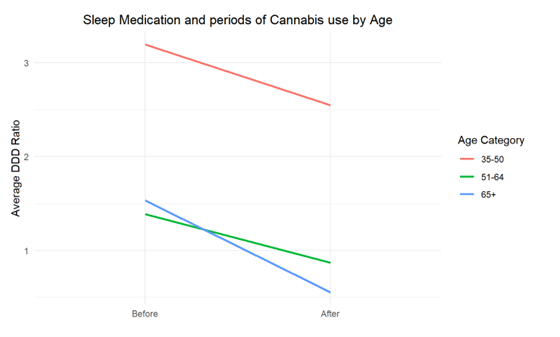
Furthermore, in Minnesota, patients using cannabis experienced notable decreases in sleep medication utilization, with the most substantial reductions observed among individuals aged 50 and older. Specifically, patients over 65 demonstrated a 60% reduction in sleep medication prescriptions. Those aged 51 through 64 showed a 39% reduction, while patients aged 35 through 50 experienced a 25% decrease. Interestingly, the 35 through 50 age group had been utilizing higher doses of sleep medications compared to other age cohorts prior to cannabis use.
Beyond policy reform, there is also a critical education gap within the cannabis landscape. When patients and consumers walk into a dispensary, they are often faced with a wide array of product types, cannabinoid compositions, dosing options, and delivery methods. Without clear, evidence-based guidance, navigating these choices can be overwhelming.
MSA’s mission is to generate credible real-world evidence that helps position cannabis within a health and wellness framework. By equipping policymakers with actionable data and providing industry stakeholders with meaningful insights, we can contribute to a more informed, responsible, and patient-centered cannabis ecosystem.
As legalization continues to evolve, real-world data will be essential, not only to support sound policy and necessary standards, but to ensure that cannabis is integrated into public health conversations with rigor, transparency, and accountability.
Collaboration between policymakers, operators, healthcare stakeholders, and researchers is more important than ever. At MSA, we are committed to advancing rigorous, real-world evidence that informs responsible regulation, supports patient and consumer safety, and strengthens the industry’s long-term credibility.
If you are interested in learning more about MSA’s Cannabis Industry Solutions Division or exploring ways to engage, we welcome the opportunity to connect. Together we can ensure that cannabis is guided by evidence and positioned thoughtfully within the broader health and wellness landscape. Please contact Madeline Grant at mgrant@msa.com.
About MSA
Management Science Associates, Inc. (MSA) is a trusted leader in real-world data analytics and health-focused cannabis research. Leveraging over 60 years of experience in complex data integration, MSA offers cannabis operators the opportunity to collaborate on research that examines how cannabis use relates to health and wellness outcomes and supports both patients and consumer well-being.


Madeline Grant is a key member of the Cannabis Division at Management Science Associates, Inc. (MSA), where she focuses on expanding MSA’s cannabis research initiatives through strategic partnerships with cannabis operators. Prior to joining MSA, Madeline worked in the Government Relations Department at the National Cannabis Industry Association (NCIA), where she played a vital role in raising awareness of cannabis policy on Capitol Hill and strengthening industry engagement in government relations. Before her tenure at NCIA, Madeline served on Capitol Hill as a legislative staffer for Congressman Scott Tipton (CO) and Congressman Scott Perry (PA). In these roles, she worked on health policy and provided education to congressional offices on medical cannabis.