




Cannabis rescheduling is no longer just a policy rumor. It is part of a serious federal conversation. Whether the timeline moves quickly or drags forward in typical government fashion, one thing is clear: expectations around how cannabis businesses operate are rising.
At Beard Bros, we have watched this industry evolve from survival mode to structured growth. We have seen operators thrive because they prepared early. We have also seen operators collapse because they assumed reform would solve problems they never addressed internally.
Safe Harbor Financial has been on the front lines of this evolution since 2015, when they launched the nation’s first compliant cannabis banking program. They have processed more than $26 billion in cannabis-related funds across 41 states and territories. They have seen regulatory cycles, tax shifts, capital crunches, and consolidation waves come and go.
They have long believed that the operators who benefit most are those who prepare before they are forced to.
Cannabis rescheduling may not legalize the plant federally. It will not erase state-by-state compliance. It will not magically open every banking door or eliminate tax complexity overnight. What it will do is elevate scrutiny, normalize oversight, and reward businesses that operate with discipline.
The real question is not whether rescheduling is coming. The real question is whether your financial house is ready when it does.
What Cannabis Rescheduling Actually Means for Operators
The potential move from Schedule I to Schedule III under federal law represents a shift in how cannabis is viewed at the federal level. It signals accepted medical use and a recognition that the plant does not belong in the same category as heroin.
But rescheduling is not a free pass. It does not remove state regulations. It does not erase the need for rigorous compliance. It does not instantly fix capital markets. What it does is change the lens through which cannabis businesses are evaluated.
As cannabis edges closer to being treated like other federally regulated industries, expectations begin to mirror those industries. Think pharmaceuticals. Think nutraceuticals. Think any business operating under federal oversight where documentation, internal controls, and financial transparency are baseline requirements.
Intent does not matter in those industries. Proof does. And that mindset is already influencing how cannabis operators are evaluated by regulators, lenders, investors, and strategic partners.
Regulatory and Compliance Readiness Is No Longer Optional
One of the biggest misconceptions in cannabis is that compliance is a defensive activity. Something you do to avoid penalties.
In reality, compliance is an asset. It signals maturity. Safe Harbor has been helping operators approach regulatory readiness proactively, including conducting mock FDA-style audits and reviewing Good Manufacturing Practices. Not because FDA oversight is guaranteed tomorrow, but because businesses that operate as if scrutiny is coming tend to withstand it when it arrives.
Here is what regulators increasingly look for:
- Written and current standard operating procedures
- Documented manufacturing consistency
- Accurate labeling and batch tracking
- Adverse event reporting systems
- Internal documentation that reflects actual daily operations
There is a simple rule in regulated industries. If it is not written down, it did not happen.
Operators who still rely on tribal knowledge or undocumented workarounds are building risk into their foundation. As rescheduling moves forward, those risks become more visible. Preparing now is cheaper than repairing later.

Inventory Controls Are a Credibility Signal
Inventory misalignment is one of the fastest ways to lose credibility in cannabis. When physical inventory does not match seed-to-sale systems and financial records, questions follow. Regulators notice. Tax authorities notice. Investors notice.
Safe Harbor consistently sees inventory discrepancies emerge during deeper financial reviews. Not always because of fraud. Often because of loose reconciliation practices that were never tightened.
Operators preparing for rescheduling are adopting disciplined inventory reconciliation procedures, including blind counts that compare physical inventory against state tracking systems and accounting records. These exercises reveal more than numbers. They reveal operational discipline.
Shrinkage happens. Loss happens. The difference between a mature operator and a risky one is whether discrepancies are identified early, documented clearly, and corrected consistently. Clean inventory does more than satisfy regulators. It builds trust.
Section 280E and Tax Readiness in a Post-Rescheduling Environment
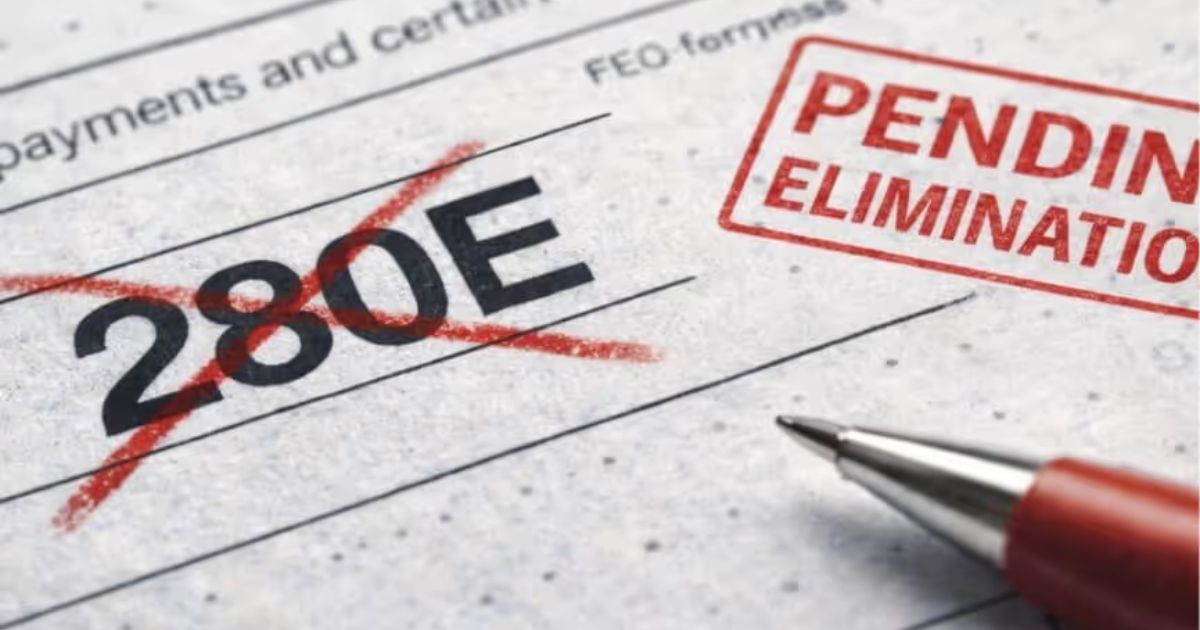
Much of the conversation around cannabis rescheduling focuses on Section 280E. If cannabis is removed from Schedule I and II, ordinary business expenses may become deductible under Section 162, subject to IRS guidance and implementation timing.
That could significantly improve cash flow. But better tax treatment does not eliminate tax scrutiny. In many cases, it increases it.
As deductions expand, documentation requirements become more important. Expense categorization must be defensible. Audit trails must be intact. Financial reporting must align with operational reality.
Safe Harbor has been advising operators to focus less on aggressive tax positioning and more on tax readiness. That means:
- Cleaning up expense classification
- Strengthening documentation of business purpose
- Ensuring accounting systems reflect accurate cost allocation
- Reviewing historical filings for consistency
Cash flow relief only helps if the underlying records can withstand review.
If rescheduling unlocks better tax treatment, operators with organized books will benefit first. Those with messy financials will spend their time explaining instead of expanding.
Financial Systems and Internal Controls Matter More Than Ever
As capital markets cautiously re-engage and mergers and acquisitions conversations increase, scrutiny is coming from multiple directions. Investors ask practical questions:
Who has access to your financial systems?
Are duties properly separated?
How is sensitive data protected?
Are approvals documented?
Is reporting consistent across entities?
These are baseline diligence requirements. Businesses with loose system access, shared passwords, or unclear internal controls often discover those weaknesses at the worst possible time, during refinancing or acquisition talks.
Safe Harbor has been helping operators review system permissions, tighten access controls, and formalize financial oversight processes. These adjustments are not glamorous. They are foundational.
In regulated industries, discipline is visible. It shows up in how systems are structured, who can move money, and how quickly documentation can be produced. Rescheduling raises expectations. Internal discipline keeps you in the conversation.
Cash Flow Planning and Capital Strategy
Rescheduling does not guarantee a flood of capital, but it may gradually improve how cannabis businesses are evaluated, particularly if tax treatment changes and financial performance normalizes.
That normalization changes investor perception. It can make financial statements easier to compare against other industries. It can reduce perceived risk premiums. It can improve borrowing terms. But those improvements favor operators who have a plan.
Cannabis businesses are encouraged to think strategically about how improved cash flow or expanded capital access would be used. That could include:
- Paying down high-interest debt
- Strengthening working capital reserves
- Investing in operational efficiency
- Preparing for expansion
- Positioning for acquisition
Operators who wait until capital becomes available often make reactive decisions. Operators who prepare in advance negotiate from strength. Capital planning is not about optimism. It is about readiness.
Safe Harbor’s Evolution Mirrors the Industry’s Needs
Safe Harbor started ten years ago with one essential offering: banking. That alone was revolutionary in 2015.
Two years ago, they added lending, expanding into cannabis lending and improving capital access for established operators.
Today, it extends beyond banking to support cannabis operations, fractional finance, and strategic advisory services. The result is the industry’s first fully integrated financial solutions platform, designed to help operators Bank, Borrow, Operate, and Grow.
Bank covers compliant financial access, digital tools, payment support, and audit-ready reporting. Borrow expands flexible lending options and supports financial institutions in managing cannabis-related loan portfolios.
Operate delivers bookkeeping, payroll, accounts payable and receivable, merchant services, HR support, insurance coordination, logistics and operational financial oversight.
Grow focuses on strategic finance, including fractional CFO services, forecasting, budgeting, valuations, 280E guidance, multi-entity structuring, investor preparation and M&A support.
Together, these pillars address the full financial lifecycle of a cannabis business. For operators navigating rescheduling, that integrated approach matters. Financial readiness is not one department. It is the entire structure.
Beard Bros Perspective: Preparation Beats Hype Every Time
At Beard Bros, we do not chase headlines. We chase outcomes. Cannabis has seen years of reform promises that were delivered slowly. That caution is earned. But this moment feels different, not because everything changes overnight, but because the direction is clearer.
Rescheduling is about normalization. And normalization rewards structure.
Operators who use this window to strengthen compliance, align inventory, clean up financials, tighten system controls, and plan capital strategy are building flexibility. When clarity arrives, and it will, they will be positioned to move quickly.
Safe Harbor has been through enough regulatory cycles to understand that success does not come from reacting to policy. It comes from preparing for it. The industry does not need more noise. It needs more readiness.
Cannabis rescheduling is coming. Have you started preparing for the next phase of scrutiny, capital access, and operational expectations, or are you hoping reform fixes what you never addressed?
Hope is not a strategy. Preparation is.
Is Your Financial House Actually Ready?
Cannabis rescheduling is not about hype. It is about preparedness.
If your banking, lending, compliance, inventory controls, tax strategy, and financial reporting are not aligned, this is the window to fix it before scrutiny increases and capital starts moving.
Safe Harbor Financial has spent the last decade building the infrastructure this industry should have had from the beginning. From compliant banking to lending, operational financial support, and strategic advisory services, their Bank, Borrow, Operate and Grow platform is designed specifically for cannabis operators navigating regulatory change.
If you are serious about strengthening your financial foundation before rescheduling reshapes expectations, start here:
Safe Harbor: Schedule III Readiness