


Key Takeaways
- A Johns Hopkins study reveals that 87% of U.S. healthcare professionals recognize medical cannabis therapeutic uses and 95% support its legal medical use.
- The survey included a diverse group of clinicians and highlighted that 74% are willing to recommend cannabis to patients.
- Concerns among healthcare professionals include inadequate training, potential patient exploitation, and knowledge gaps about dosing.
- The study indicates a strong demand for further research and education on medical cannabis within the healthcare industry.
- Patient-provider discussions about cannabis are prevalent, and improved clinical education can lead to better patient outcomes.
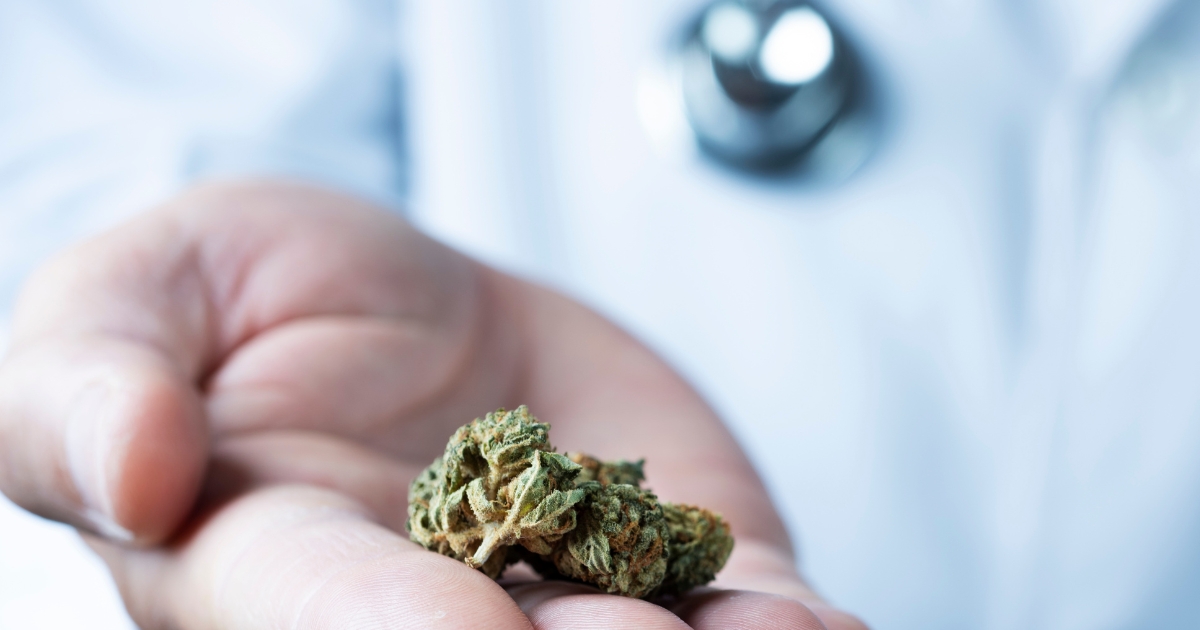
NORTH AMERICA – A Johns Hopkins-led study published in the Journal of Cannabis Research found that 87% of U.S. healthcare professionals believe cannabis has legitimate therapeutic uses, 95% support its legal medical use, and 74% are open to recommending it to patients. The survey covered hundreds of clinicians across multiple healthcare roles.
The study published earlier has put some hard numbers behind what the cannabis community has long maintained: the medical establishment is firmly on board with cannabis as a legitimate therapeutic tool.
The study, titled “Knowledge, attitudes, and concerns about medical cannabis among U.S. healthcare professionals,” drew from a pool of physicians, registered nurses, mental health professionals, and advanced practice providers. The results were pretty telling across the board.
This isn’t an isolated data point, either. The findings build on a consistent trend in prior research. Back in 2021, a similar survey found that over two-thirds of health clinicians acknowledged cannabis could be used medically. This most recent study moves that needle further, and the gap between clinical support and formal training remains the central tension worth paying attention to.
What Did the Johns Hopkins Cannabis Survey Actually Find?
The headline figures tell a clear story. Among the 879 respondents, 87% endorsed the therapeutic promise of cannabis, and 95% supported its legal use for medical purposes. Three out of four (74%) said they were personally open to recommending medical cannabis to their patients. Meanwhile, 89% of respondents reported already having patients who currently use cannabis.
The sample included mental health professionals (29%), registered nurses (25%), physicians (18%), and advanced practice providers (15%). These are not fringe voices. This is a cross-section of everyday clinical practice in the United States, and the consensus tilts heavily toward cannabis having a real role in patient care.
Beyond support for legality, 96% of respondents backed further cannabis research, which signals something important: even those with reservations about current cannabis use want to see the science move forward. That’s a foundation the cannabis space can build on.
How Does Support for Medical Cannabis Vary Across Different Healthcare Roles?
Not every group was equally enthusiastic, and the data reflect some meaningful differences by profession. Registered nurses showed the highest openness to clinical cannabis use, with a mean score of 4.4 out of 5. Physicians and mental health professionals landed slightly lower at 3.9. Advanced practice providers fell in between at 4.1.
Belief in the therapeutic promise of cannabis was consistently high across all groups, ranging from 4.3 for physicians to 4.6 for registered nurses and other health professionals. Support for legal access followed a similar pattern, with RNs and other professionals reporting higher average scores than physicians and advanced practice providers.
The regression analysis found that younger age and higher self-rated knowledge were both associated with greater openness to clinical use. Professionals with fewer concerns about cannabis also reported significantly higher openness. This suggests that targeted education and better access to reliable clinical information could shift attitudes in the right direction, particularly among older and more cautious practitioners.
What Concerns Do Healthcare Professionals Still Have About Medical Cannabis?
Even with the high level of support, the survey captured a realistic picture of where hesitation lives. The most commonly cited concern was a lack of trained providers, flagged as “very” or “extremely” concerning by 35% of respondents. Potential patient exploitation came in second at 22%, followed closely by recreational misuse (21%) and the risk of psychosis (20%).
These concerns are worth taking seriously because they point to real gaps in the system. Most healthcare professionals want to support their patients’ cannabis use. The issue isn’t lack of will; it’s lack of infrastructure and education. Fewer than one in three respondents reported receiving formal clinical training on how to integrate medical cannabis into their practice.
That gap matters because the data also showed that personal experience (76%) and popular media (73%) were the most common actual sources of cannabis knowledge. Academic research centers (94%) and experienced clinicians (92%) were the most trusted sources. The disconnect between where clinicians currently get their information and where they’d prefer to get it is a real opportunity for the cannabis industry and medical institutions alike.
Fortunately, change is on the horizon. New York recently made waves by establishing a first-of-its-kind cannabis research and education center aimed directly at training doctors and medical professionals. It’s a massive step forward, and exactly the kind of structured, institutional support needed to turn cautious interest into confident clinical practice.
Why Does the Knowledge Gap in Medical Cannabis Training Matter for Patients?
Here’s where the story gets more complex. The survey included both self-reported knowledge ratings and objective knowledge checks, and the two did not align. Respondents rated their understanding of cannabis risks highly (4.1 out of 5), yet only 13% answered the objective knowledge check on risks correctly. For therapeutic indications, self-rated knowledge scored 4.0 out of 5, but only 21% of respondents answered the corresponding knowledge check perfectly.
This gap between perceived and actual knowledge is a clinical safety issue. Healthcare providers are advising patients on cannabis every day. If that advice is grounded more in media exposure and personal anecdote than in evidence-based training, patients may not be getting the full picture on dosing, contraindications, or drug interactions.
NORML’s Deputy Director Paul Armentano put it directly in a recent article about the study: “The use and efficacy of medical cannabis is now widely accepted among healthcare professionals. As more physicians, nurses, and others integrate medical cannabis into their clinical practices, it is vital that medical associations, institutions, and educational curricula similarly incorporate and embrace cannabis as a mainstream and established therapeutic option for patients.”
What Does This Study Mean for the Future of Medical Cannabis Access?
The case for treating medical cannabis as a mainstream clinical option has never been stronger, at least not according to the professionals doing the prescribing, counseling, and care. This study doesn’t just confirm what cannabis advocates have been saying for years. It comes from Johns Hopkins, it’s peer-reviewed, and it’s based on nearly 900 healthcare professionals giving anonymous answers.
The practical takeaway for the cannabis community is twofold. First, patient-provider conversations about cannabis use are already happening at scale. Nearly nine in ten healthcare professionals already have patients using cannabis. Second, the pathway to better patient outcomes runs directly through better clinical education. When healthcare providers have access to structured training on cannabis pharmacology, dosing, contraindications, and legal frameworks, they report more openness and more confidence. That’s good for patients, and it’s good for the broader project of legitimizing cannabis in medicine.
The data say the medical community is ready. The next step is making sure the educational infrastructure catches up.
Frequently Asked Questions
According to a 2026 study published in the Journal of Cannabis Research, 87% of U.S. healthcare professionals believe cannabis has legitimate therapeutic uses, and 95% support its legal medical use. The study surveyed 879 clinicians including physicians, nurses, and mental health professionals.
The study was conducted by researchers from Johns Hopkins University School of Medicine and Baylor College of Medicine. The lead authors included Lakshmi Kumar, Erin Wang, David S. Mathai, and Albert Garcia-Romeu. Funding came through the Johns Hopkins Center for Psychedelic and Consciousness Research.
Despite strong support for medical cannabis, less than one-third of survey respondents had received formal clinical training on how to integrate cannabis into their practice. The most cited concerns included a lack of trained providers, potential patient exploitation, and uncertainty about appropriate dosing and contraindications.
The survey found that 76% of healthcare professionals primarily rely on personal experience and 73% on popular media for their cannabis knowledge. Academic research centers were identified as the most trusted source of information, cited by 94% of respondents.
- Roland Griffiths, Renown Psychedelics Researcher, Dies At 77
- Can Psilocybin Help People to Quit Smoking?
- Cannabis Nursing Recognized As Specialty By American Nurses Association
- Pennsylvania Looks to Expand Who Can Recommend Medical Cannabis
- Nursing Associations Rally Support Behind Federal Move to Reschedule Cannabis