


![BeardBros_BlogImages [Recovered]](https://beardbrospharms.com/wp-content/uploads/2026/07/BeardBros_BlogImages-Recovered-scaled.png)
Key Takeaways
- The CBD industry in Europe faces growing regulatory scrutiny; understanding EU compliance for CBD food supplements is essential for market access by 2026.
- Recent EFSA guidelines include provisional safe intake levels and clear documentation requirements for manufacturers.
- Brands must document manufacturing processes, hemp sourcing, and ensure rigorous testing for impurities and safety data.
- Regulators prioritize risk, dosage, and impurities; thorough compliance is crucial for gaining approval and maintaining consumer trust.
- Understanding EFSA’s provisional safe level is key; current estimates suggest a daily intake of around 300 mg of CBD.
The rapid growth of the CBD industry across Europe has been accompanied by increasing regulatory scrutiny. As of 2026, understanding EU compliance for CBD food supplements is more critical than ever for brands, manufacturers, and consumers alike. Recent developments from EFSA and national authorities have introduced clear guidelines, including provisional safe intake levels and detailed documentation requirements, making compliance essential for market access.
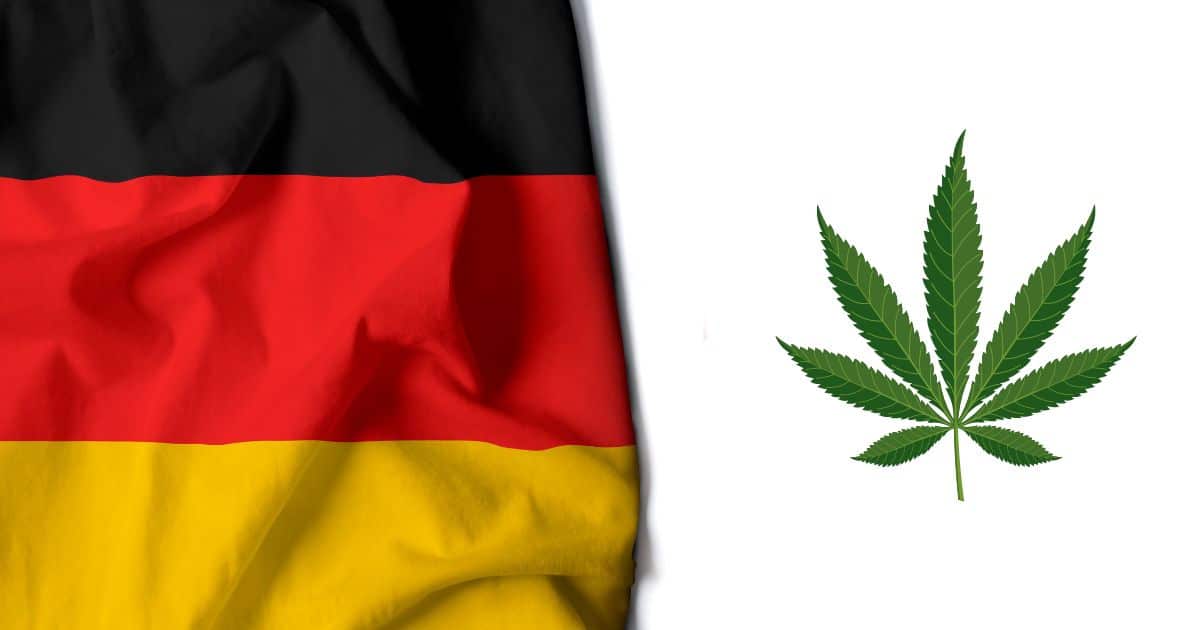
For a broader perspective on cannabis legalization and regulation, visit our complete guide to Germany’s cannabis law 2026. In this guide, we will explain the latest EU compliance standards, focus on what brands must document for novel food approval, and clarify risk, dosage, and impurities that regulators prioritize to ensure safe, legal CBD food products.
The Evolution of EU CBD Regulations: From Industry Fluff to Clear Guidance
Over recent years, the CBD industry has faced a patchwork of regulations across member states, causing confusion among brands and consumers. However, the EU has moved toward harmonized standards through EFSA’s guidance, emphasizing safety, transparency, and scientific assessment.
The CBD novel food EU 2026 update marks a significant milestone, introducing provisional safe intake levels and comprehensive documentation requirements. These regulations aim to protect consumers while fostering responsible industry growth.
EFSA’s CBD Provisional Safe Level Explained
EFSA’s guidance introduces a provisional safe intake level for CBD, based on current scientific evidence. This level is designed to serve as a benchmark for manufacturers to formulate products that are safe for consumers across the EU.
While the exact safe intake level may be refined as more research becomes available, current estimates suggest a daily dose around 300 mg of CBD. This figure helps regulate industry standards and informs regulatory decisions.
It’s important to note that the provisional safe level is not a legal maximum but a scientific recommendation. Brands need to evaluate their formulations carefully and ensure their products align with this guidance to maintain compliance.
The CBD Novel Food EU 2026 Update: What Has Changed?
The latest EU update on CBD as a novel food emphasizes the importance of pre-market authorization. Companies must submit detailed dossiers demonstrating product safety, manufacturing processes, and ingredient transparency.
Key components include:
- Manufacturing process: Documentation of extraction, purification, and quality control procedures.
Source of hemp: Provenance, cultivation practices, and compliance with EU agricultural standards. - Product composition: Accurate cannabinoid profiles, emphasizing CBD content and THC limits.
Impurities and contaminants: Rigorous testing for pesticides, heavy metals, residual solvents, and microbial contamination. - Safety data and risk assessments: Scientific evidence supporting safe daily dosages based on EFSA’s provisional safe level.
Regulators prioritize what is actually in the product—not just marketing claims—making thorough documentation and testing paramount.
Is CBD Legal in Europe in 2026?
CBD legality varies across Europe, but EFSA’s guidance provides a harmonized framework. In most countries, CBD food supplements are legal if they are authorized as novel foods and meet safety standards.
However, some nations impose additional restrictions on THC content, cultivation, or import rules. It’s essential for brands and consumers to stay current with local regulations and adhere to EU rules on CBD food supplements.
What Do Brands Need to Document for Novel Food Approval?
To comply with EFSA’s regulations, brands must prepare comprehensive dossiers covering:
- Manufacturing practices: Details of extraction methods, quality control, and GMP compliance.
Source of hemp: Certification of cultivation practices, origin, and compliance with EU standards. - Product specifications: Cannabinoid content, purity, and labeling accuracy.
- Impurities and contaminants testing: Results for pesticides, heavy metals, residual solvents, and microbial safety.
- Safety and dosage data: Scientific evidence supporting safe daily intake levels, referencing EFSA’s provisional safe level.
- Risk assessments: Evaluations of potential adverse effects, drug interactions, and vulnerable populations.
Regulators focus heavily on risk, dosage, and impurities, making transparency and rigorous testing the foundation of compliance.
What Regulators Care About Most: Risk, Dosage, and Impurities
While marketing claims attract attention, regulators are primarily concerned with safety. They scrutinize risk assessments to ensure that products do not pose health hazards.
Dosage levels must align with EFSA’s provisional safe level, especially for daily consumption limits. Impurities such as pesticides, heavy metals, residual solvents, and microbial contaminants are critical testing points. Products must demonstrate consistent quality, purity, and safety to gain approval.
Understanding what regulators actually care about helps brands develop compliant products, avoid recalls, and build consumer trust.
FAQs
EFSA’s provisional safe level is an estimated daily intake of CBD deemed safe based on current scientific data. In 2026, many estimates suggest around 300 mg per day, but this figure may evolve with ongoing research.
It mandates that CBD food supplements undergo a pre-market safety assessment, including detailed documentation of manufacturing, source, purity, and safety data, to obtain authorization for sale in the EU.
CBD legality depends on local regulations, but generally, products that meet EU novel food standards and contain minimal THC are permitted across most member states.
Brands need to provide manufacturing details, hemp source, cannabinoid profiles, impurity testing, safety data, and risk assessments aligned with EFSA guidelines.
They emphasize safety, focusing on risk analysis, dosage limits, impurity levels, and transparent testing results—ensuring consumer protection.
The 2026 EU regulatory landscape for CBD food supplements is evolving rapidly, with EFSA’s guidance playing a pivotal role. Understanding what’s legal, how to comply, and what regulators care about is essential for any brand aiming to succeed in the European market.
Staying informed about EFSA CBD provisional safe level explained and CBD novel food EU 2026 update helps ensure compliance, product safety, and consumer trust. As the industry matures, transparency and rigorous testing will remain the cornerstones of success.
For further insights into Germany’s cannabis reforms and compliance strategies, explore our complete guide to Germany’s cannabis law 2026.