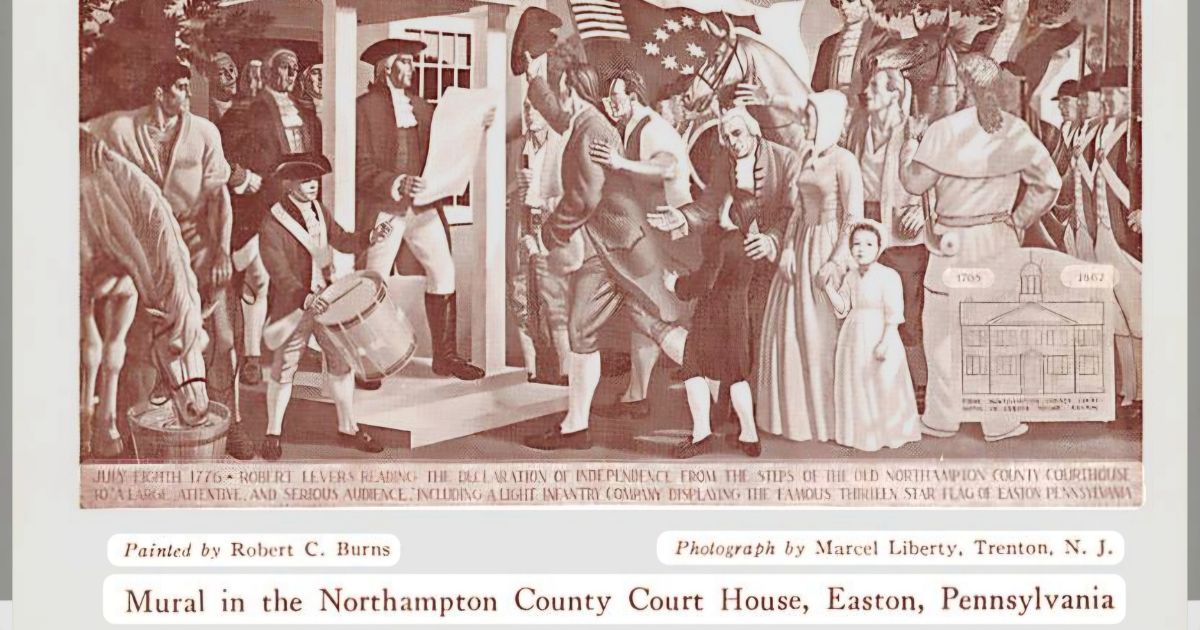
In July of 1776, a man named Robert Levers stood in Easton’s Centre Square and read the Declaration of Independence to the gathered citizens of the town. The words he spoke announced a bold and uncertain future for the American colonies, declaring independence from British rule and marking the beginning of a new nation.
Two hundred years later, another Robert Levers stood in the same city and read those same words during the nation’s Bicentennial celebration. That remarkable connection between past and present helped spark what would become Easton’s modern Heritage Day tradition, an annual celebration that continues to bring the community together each summer.
The story behind that tradition is not simply about a festival or a historical reenactment. It is about the people who recognized the importance of Easton’s history and chose to bring it back to life. Among them were community leader Evelyn “Evie” Gulick and the Levers family, whose connection to the reading of the Declaration spans generations.
Easton’s Role in the Birth of American Independence
Historical accounts of Easton’s Revolutionary era record that Robert Levers was among those who publicly read the Declaration of Independence in Centre Square on July 8, 1776, helping share the news of independence with the local community.
At the time, copies of the Declaration had only just begun circulating beyond Philadelphia. Communities throughout the colonies gathered to hear the document read aloud so that citizens could understand the significance of the moment. The public reading in Easton was one of the earliest outside of Philadelphia and marked the city’s direct connection to the birth of the United States.
When Robert Levers read the Declaration to the assembled crowd in Centre Square, he was helping deliver a message that would reshape the future of the colonies. The words spoke of liberty, self-government, and the right of a people to determine their own destiny.
Over time, the moment became part of Easton’s local identity. Generations passed, the town grew, and the Revolutionary era moved further into history. Yet the story of the Declaration being read in Easton remained an important reminder that the city played a role in the nation’s founding.
Preparing for America’s Bicentennial
Nearly two hundred years later, the United States began preparing to celebrate its Bicentennial in 1976. Across the country, communities organized events to recognize their local connections to American history.
For Easton, the inspiration was clear. The city had hosted one of the earliest public readings of the Declaration of Independence outside Philadelphia, and that moment provided the perfect opportunity to reconnect the community with its Revolutionary heritage.
The Vision of Evelyn “Evie” Gulick
Few individuals played a larger role in shaping Easton’s modern community celebrations than Evelyn “Evie” Gulick.
In her fifties, Evie embarked on a new career that combined her love for the City of Easton with her talent for community organization. During the 1970s she worked for the Downtown Improvement Group as its Executive Director. The organization later became the Two Rivers Area Commerce Council, known today as TRACC, where she served as Director of Marketing and Promotions.
Through this work she became deeply involved in promoting Easton’s downtown and building community events that brought people together.
As the Bicentennial approached in 1976, Evie became one of the driving forces behind Easton’s local celebration. Alongside former Mayor Henry Schulz, his assistant Phil Levine, and Reverend Harry Maue of Olivet Presbyterian Church, she helped establish what was originally called Easton’s Community Spirit Days.
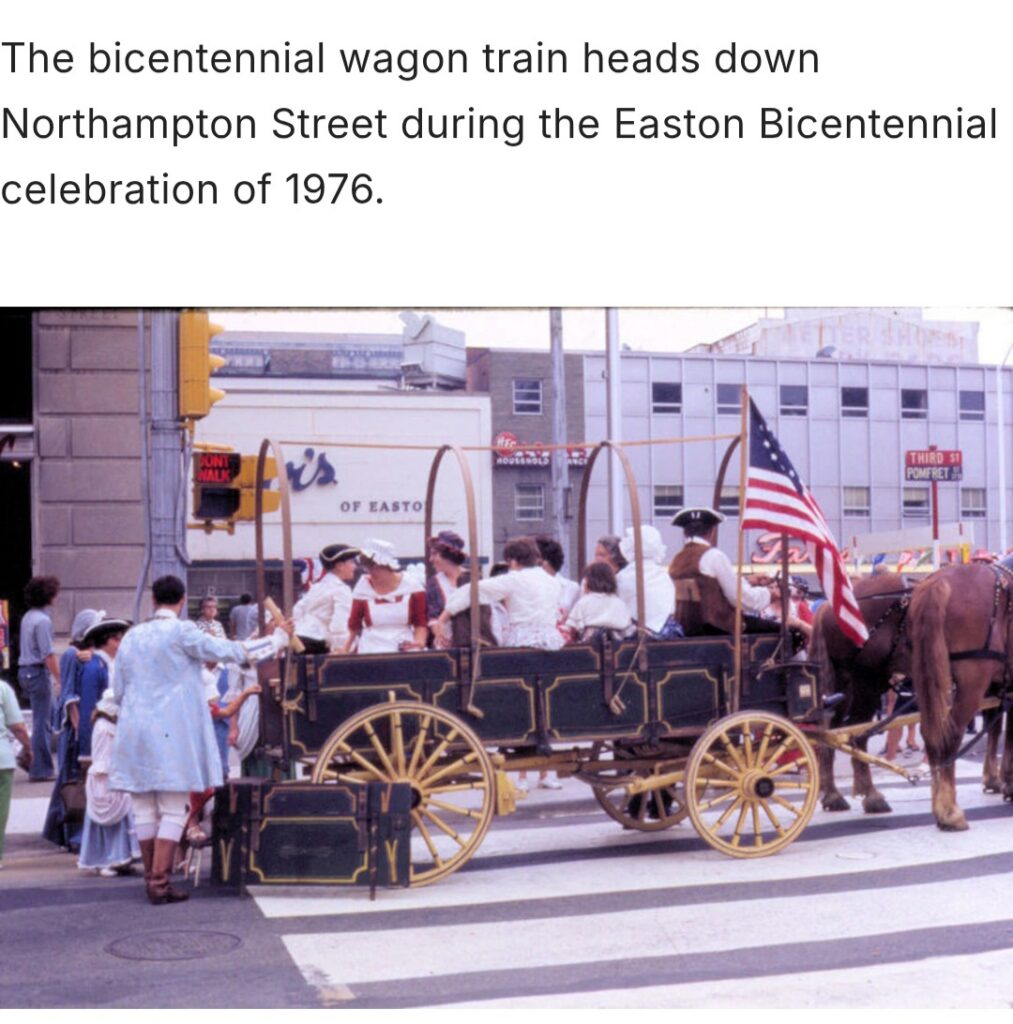
For the event, Evie and her husband co-wrote a Bicentennial pageant that highlighted Easton’s historical connection to the American Revolution. The celebration brought together reenactments, community participation, and a renewed focus on the city’s place in the nation’s founding story.
The response from the community was overwhelming.
What had been planned as a one-time Bicentennial celebration quickly proved to be something far more meaningful. Residents embraced the event with enthusiasm, and community leaders recognized that Easton had created something worth continuing.
The following year the celebration was officially renamed Easton Area Heritage Day, establishing what would become one of the city’s most beloved annual traditions. Today the event draws tens of thousands of visitors to downtown Easton each summer.
Evie served as Executive Director of Heritage Day for nearly twenty years, helping guide the festival’s growth and ensuring that it remained rooted in the city’s history and community spirit.
Recreating the Reading of the Declaration
As plans for the Bicentennial celebration developed, Evie recognized that authenticity would give the event deeper meaning. Recreating the reading of the Declaration of Independence in Centre Square would connect the celebration directly to the moment that placed Easton in the historical record.
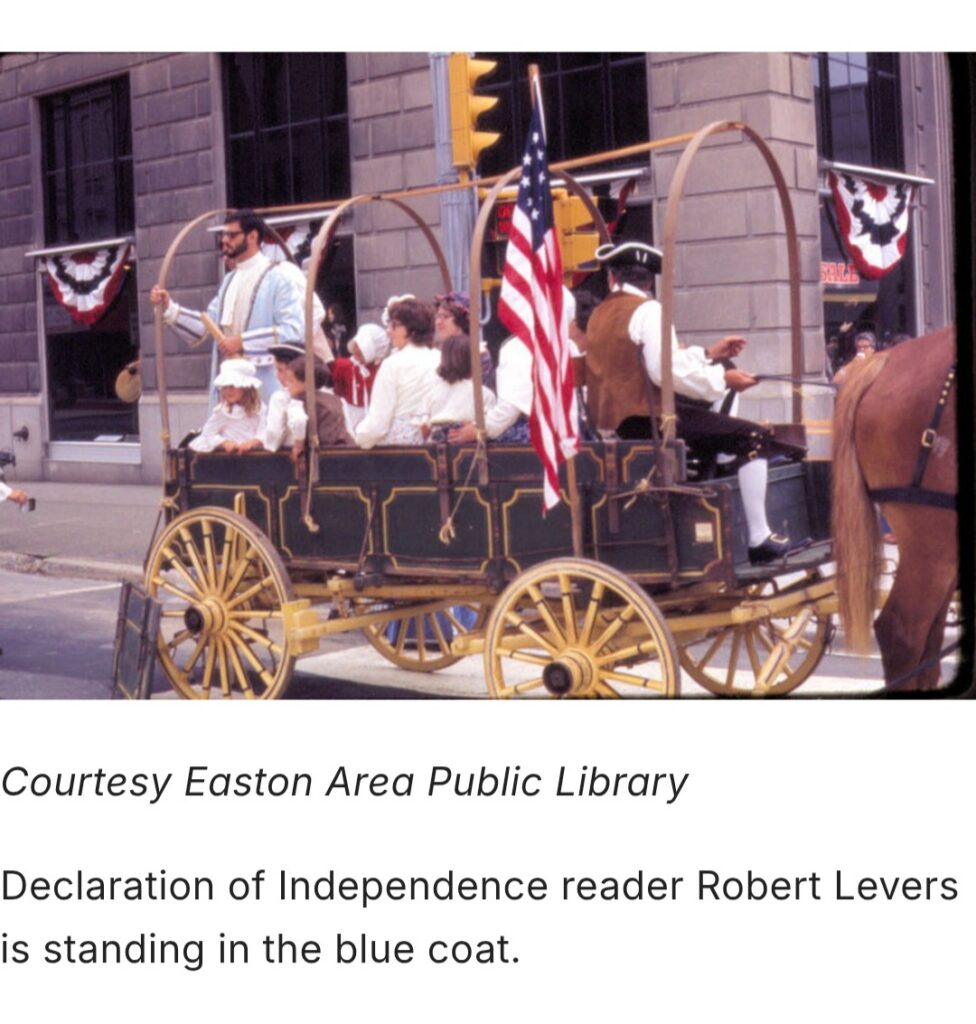
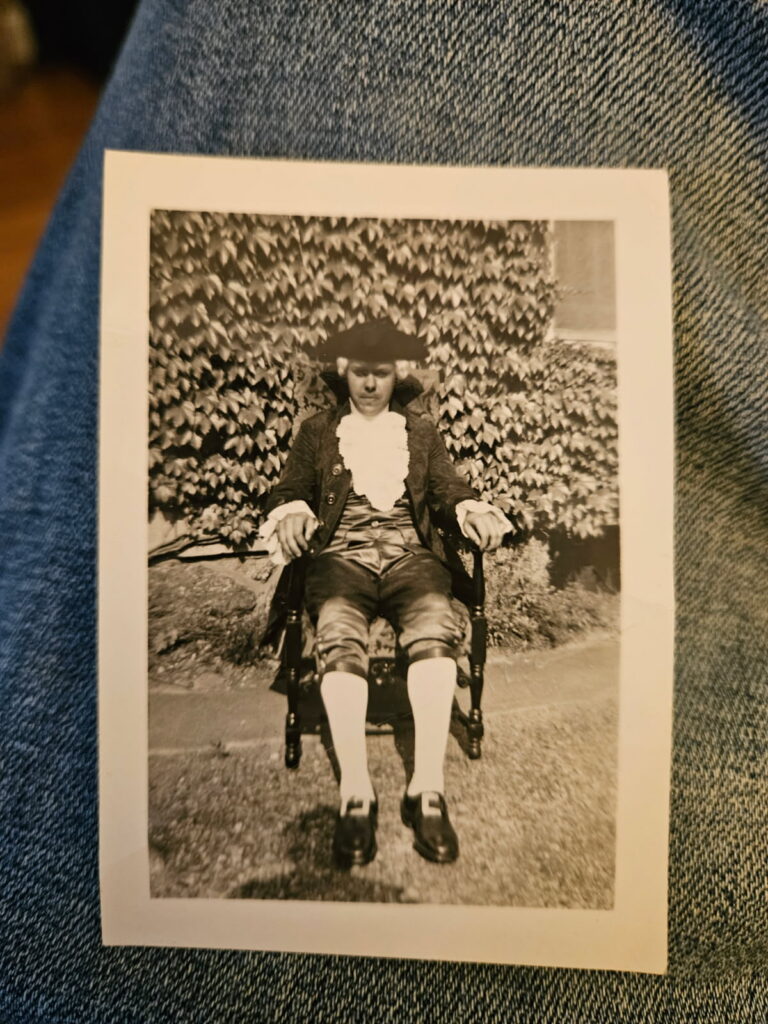
With that goal in mind, she invited Robert Levers to read the Declaration during the 1976 Bicentennial celebration.
The symbolism was extraordinary. Two hundred years earlier, another Robert Levers had read the Declaration of Independence in Easton. Now, two centuries later, a member of the same family with the same name would once again read those words in the same community.
When Robert Levers read the Declaration during the Bicentennial celebration, the moment did more than commemorate history. It connected Easton’s past to its present in a way that resonated deeply with the community. Looking back, it is difficult not to see that moment as a turning point. The vision of Evelyn Gulick to create the event, combined with the historic connection brought forward by Robert Levers during that reading, helped transform what had been intended as a one-time celebration into the foundation of the Heritage Day tradition that continues today.
The Birth of Easton Heritage Day
The Bicentennial celebration proved to be an overwhelming success. Residents embraced the event with enthusiasm, and the sense of pride in Easton’s history was evident throughout the community.
Although the celebration had originally been intended as a one-time event, the response made it clear that something special had been created. Community leaders decided the event should continue, and Heritage Day was born.
Continuing the Levers Family Tradition
One of the most meaningful aspects of the early Heritage Day celebrations was Evie Gulick’s commitment to honoring the families connected to Easton’s history.
The Levers family had already played a role in the city’s Revolutionary story, and Evie understood the importance of keeping that connection alive.
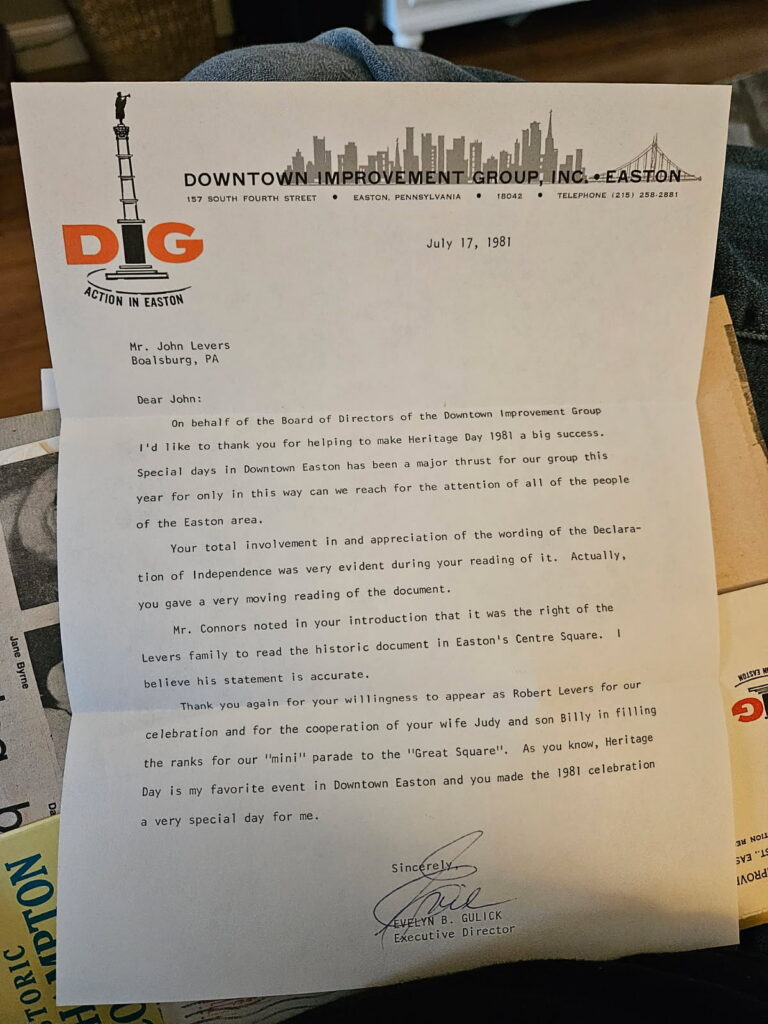
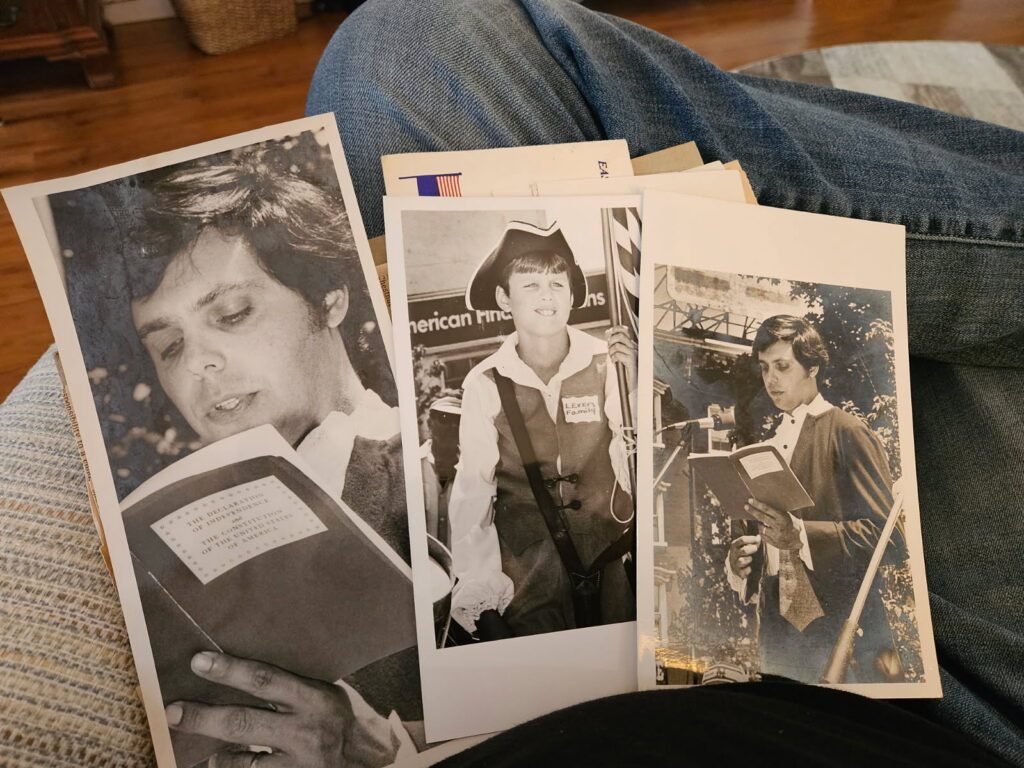
Robert Levers read the Declaration during the landmark Bicentennial celebration in 1976. In 1981, Evie continued the tradition by inviting Robert’s brother, John Levers, to read the Declaration during the Heritage Day celebration.
The family’s involvement extended even further. Their sister Barbara Levers and their mother Mildred Levers also participated in readings over the years, making the Levers family an enduring part of the Heritage Day story.
What began as a historical reenactment became something much more personal. Through Evie’s vision, the event celebrated not only history itself but also the families whose stories were connected to it.
Heritage Day Today
Today Heritage Day has grown into one of Easton’s largest annual celebrations. Thousands of visitors gather in the city each summer to experience the festival, which now includes historical demonstrations, live performances, food vendors, art exhibits, and community activities.
Despite its growth and expansion, the celebration still honors the same idea that started it all nearly fifty years ago: the moment someone read the Declaration of Independence in Easton, and the people who helped keep that history alive.
A Legacy That Spans Two Centuries
Looking back at the origins of the modern celebration, it is reasonable to conclude that the Heritage Day we know today exists largely because of the vision of Evelyn “Evie” Gulick and the historic connection brought forward by Robert Levers during that Bicentennial reading.
In 1776, Robert Levers stood in Centre Square and read the Declaration of Independence to the citizens of Easton.
Two hundred years later, another Robert Levers read those same words during the Bicentennial celebration that helped spark the Heritage Day tradition. His brother John continued the connection in 1981, and their sister Barbara and mother Mildred also took part in the readings that followed.
History rarely aligns so clearly across generations. The same name, the same town, and the same words spoken two centuries apart create a powerful reminder that the past is never truly gone.
Each summer when Heritage Day returns to Easton, the celebration quietly honors that connection. Beneath the music, the crowds, and the festivities lies a simple truth. History does not only live in books or museums. Sometimes it lives in the voices of the people who continue to tell the story.
Easton Heritage Day is an annual community celebration in Easton, Pennsylvania that commemorates the city’s role in American history—specifically the public reading of the Declaration of Independence in 1776. It has grown into a major cultural event that blends history, community, and tradition.
Robert Levers was one of the individuals who publicly read the Declaration of Independence in Easton on July 8, 1776, helping spread the message of independence beyond Philadelphia. His actions tied Easton directly to the founding of the United States.
After the Declaration was adopted in Philadelphia, copies were distributed to nearby towns. Public readings, like the one in Easton, ensured that citizens understood the significance of independence and could rally behind the cause.
The 1976 Bicentennial celebration inspired local leaders to reconnect Easton with its Revolutionary roots. A reenactment of the Declaration reading—performed by a descendant of Robert Levers—sparked overwhelming community support and led to the creation of Heritage Day.
Evelyn “Evie” Gulick was a community leader who helped organize Easton’s Bicentennial celebration and later established Heritage Day as an annual event. Her vision turned a one-time celebration into a lasting tradition.
The Levers family has maintained a multi-generational connection to the event. Descendants of Robert Levers—including Robert, John, Barbara, and Mildred—have participated in readings of the Declaration during Heritage Day celebrations.
Modern Heritage Day includes historical reenactments, live performances, food vendors, art exhibits, and community activities, attracting thousands of visitors each year while honoring Easton’s Revolutionary history.
Easton hosted one of the earliest public readings of the Declaration of Independence outside of Philadelphia, making it a key location in the early spread of America’s founding message.
Heritage Day bridges history and modern community life by reenacting pivotal moments like the Declaration reading, often involving descendants of original participants—creating a rare, living connection across centuries.
This story highlights how local history and family legacy can shape cultural traditions. It reinforces that history isn’t just archived—it’s actively preserved through people, storytelling, and community events like Heritage Day.
About Author
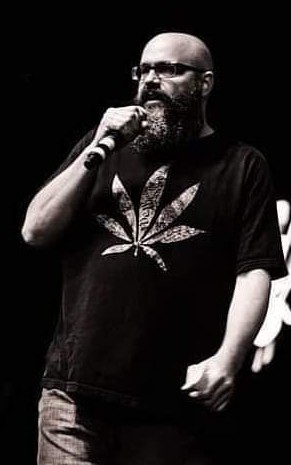
Bill Levers is a descendant of Robert Levers, who publicly read the Declaration of Independence in Easton’s Centre Square on July 8, 1776, helping share the news of American independence with the local community. The Levers family has maintained a direct connection to that historic moment across generations. In 1976, during the nation’s Bicentennial celebration, Robert Levers again read the Declaration in Easton, helping inspire the tradition that became Easton Heritage Day. Other members of the Levers family, including John Levers, Barbara Levers, and Mildred Levers, also participated in Heritage Day readings in the years that followed.
Bill is the co-founder of Beard Bros Pharms and Beard Bros Media, organizations known for documenting culture, history, and grassroots stories across industries and communities. Through his writing and storytelling, he continues to highlight historical connections and community traditions, including the remarkable legacy of Easton Heritage Day.
Key Takeaways
- Easton Heritage Day celebrates the community’s historical connection to the reading of the Declaration of Independence.
- The tradition began during the Bicentennial in 1976, when Robert Levers reenacted his ancestor’s reading of the Declaration.
- Evelyn ‘Evie’ Gulick played a key role in establishing Easton Heritage Day and promoting community involvement.
- The celebration honors Easton’s Revolutionary history and continues to attract thousands each summer.
- The Levers family has maintained a generational connection to the event, participating in readings over the years.