





Cannabis did not begin in glossy packaging or curated dispensary displays. It began with patients who needed relief and were willing to experiment, learn, and advocate for themselves when few options existed. Few products capture that origin story better than RSO (Rick Simpson Oil).
Rick Simpson Oil earned its reputation through potency and purpose. It was never about aesthetics. It was about access to concentrated, full-spectrum cannabis for people who needed serious relief. Thick, dark oil packaged in plastic syringes became a symbol of grassroots medicine. It worked. was powerful, and It gave people control.
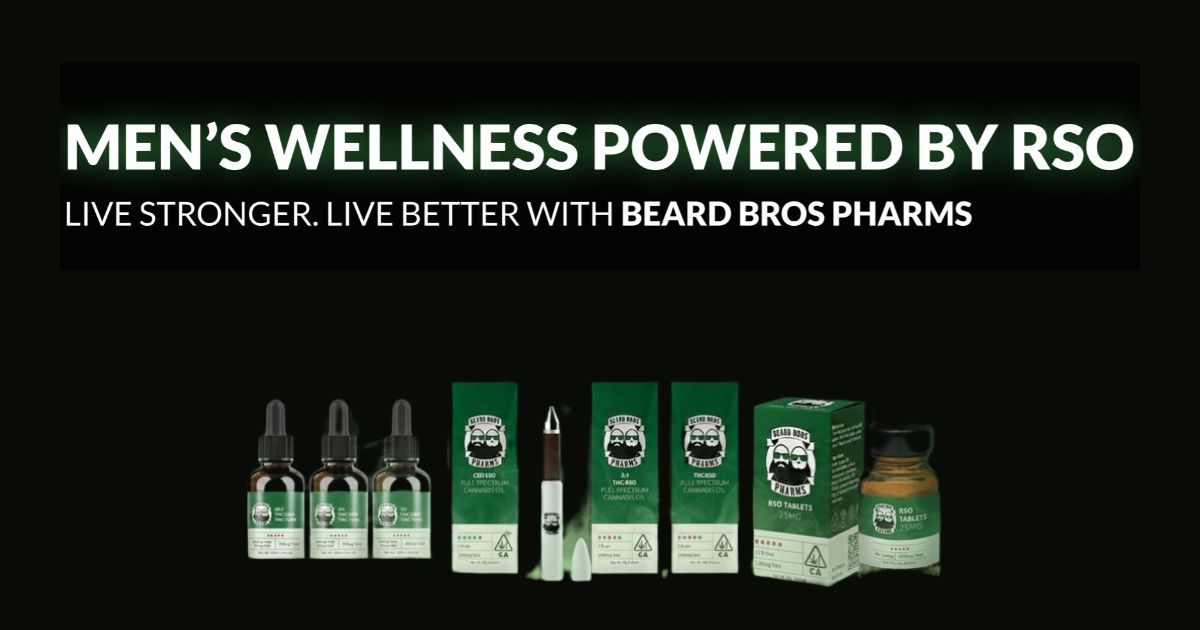
But as the legal market matured and the consumer base expanded, expectations changed. The need for precision, discretion, and consistency pushed the format forward. What started in syringes evolved into tinctures with metered droppers. Now it has moved into tablets designed for accurate, discreet medication.
This evolution is not about abandoning the roots. It is about refining them.
The RSO Syringe Era
The RSO syringe was built for flexibility and strength. Patients could squeeze out a small amount, mix it into food, take it sublingually, or gradually increase their dose as tolerance developed. For individuals managing chronic pain, sleep issues, or serious medical conditions, that potency mattered.
However, precision was always a challenge. A rice-sized amount could easily become a grain and a half. Oil viscosity changed depending on temperature. The plunger did not always cooperate. Even experienced users sometimes struggled with consistent dosing. For newer consumers, the syringe format could feel intimidating.
As cannabis reached beyond legacy patients into working professionals, older adults, and wellness-focused consumers, consistency became essential. People wanted predictable results. They wanted to know exactly what they were taking and how it would affect them. That demand for accuracy drove the next stage of innovation.
The Rise of Tinctures
Tinctures brought structure to the power of RSO. By suspending cannabinoids in a liquid base and pairing them with graduated droppers, manufacturers created a more approachable delivery system. Consumers could measure specific milligram amounts with far more confidence than squeezing concentrate from a syringe.
This shift made cannabis more accessible to a broader audience. Tinctures fit into a daily routine more easily. They felt more professional. They allowed patients to titrate slowly and track results more reliably. Subtle adjustments in dosage became manageable instead of guesswork.
Still, tinctures were not perfect. They required careful storage. They could spill. The taste was often strong and unmistakably cannabis. While droppers improved accuracy, they still relied on the user to measure correctly. For many consumers, especially those integrating cannabis into a structured health routine, there was room for even greater precision.
The RSO Tablet Evolution
Tablets are the next logical step in the evolution of RSO-based products. They offer a level of accuracy that aligns with modern medication standards while preserving the integrity of full-spectrum cannabis.
Each RSO tablet contains a precisely measured dose. There is no squeezing, no counting drops, and no variability caused by temperature or user estimation. If a tablet is labeled 10 milligrams, that is exactly what the consumer receives every time.
For individuals carefully managing tolerance or relying on cannabis as part of a medical regimen, that consistency is critical. It reduces uncertainty and builds trust.
Discretion is another significant factor. RSO tablets resemble traditional supplements or medications. They are easy to transport, simple to store, and convenient to use in a variety of settings without drawing attention. For professionals, parents, and older adults, this format removes barriers that previously limited use.
Taste is no longer an obstacle. Tablets eliminate the strong flavor associated with concentrated oil. There is no need to mix products into food or hold oil under the tongue. The experience becomes straightforward and routine.
Most importantly, RSO tablets integrate seamlessly into structured wellness habits. Many consumers already take daily vitamins or supplements. Adding a precisely dosed cannabis tablet to that routine feels natural rather than disruptive.
Why This Progress Matters
As legalization expands and cannabis continues to move toward mainstream acceptance, delivery methods play a significant role in credibility. Standardized dosing builds confidence among patients. Familiar formats make healthcare providers more comfortable discussing cannabinoid therapy. Caregivers feel more secure administering measured tablets than estimating concentrate amounts.
The evolution from syringe to tincture to tablet reflects a broader maturation of the industry. It signals that cannabis is not just about potency. It is about precision, professionalism, and responsibility.
This progression does not diminish the legacy of RSO syringes. Those products served a vital purpose during a time when few alternatives existed. They remain effective and valuable for many consumers. But innovation is necessary for growth.
When dosing becomes consistent, fear of overconsumption decreases., or when products become discreet, stigma weakens. When accuracy improves, cannabis moves closer to being recognized as legitimate medicine.
Respecting the Roots While Building the Future
The cannabis industry often wrestles with balancing culture and compliance. Progress can feel like a departure from the rebellious spirit that fueled early advocacy. In reality, refinement strengthens that legacy.
The syringe sparked empowerment. Tinctures introduced measured control. Tablets deliver pharmaceutical-style accuracy without abandoning the plant’s full-spectrum benefits.
This is not corporatization. It is maturation.
Cannabis is becoming infrastructure in people’s lives. It supports sleep, stress management, recovery, and daily balance. Infrastructure requires reliability. Reliability requires precision.
The evolution of RSO delivery formats reflects an industry learning how to serve a broader, more diverse community without losing its core identity.
The plant remains the same. The delivery has improved.
And that improvement is not just progress for brands. It is progress for patients.