Key Takeaways
- The Hemp Beverage Expo in Austin highlighted rapid industry growth and regulatory challenges since the 2018 Farm Bill.
- Consumers now seek better quality in hemp beverages, focusing on taste and healthy ingredients rather than just effects.
- Distribution and relationships are key to success as the market evolves and regulations shift.
- Brands are diversifying products beyond hemp-derived THC to include wellness ingredients and adaptogens.
- Sustainable business practices and effective shelf placement are crucial for consumer visibility and brand growth.
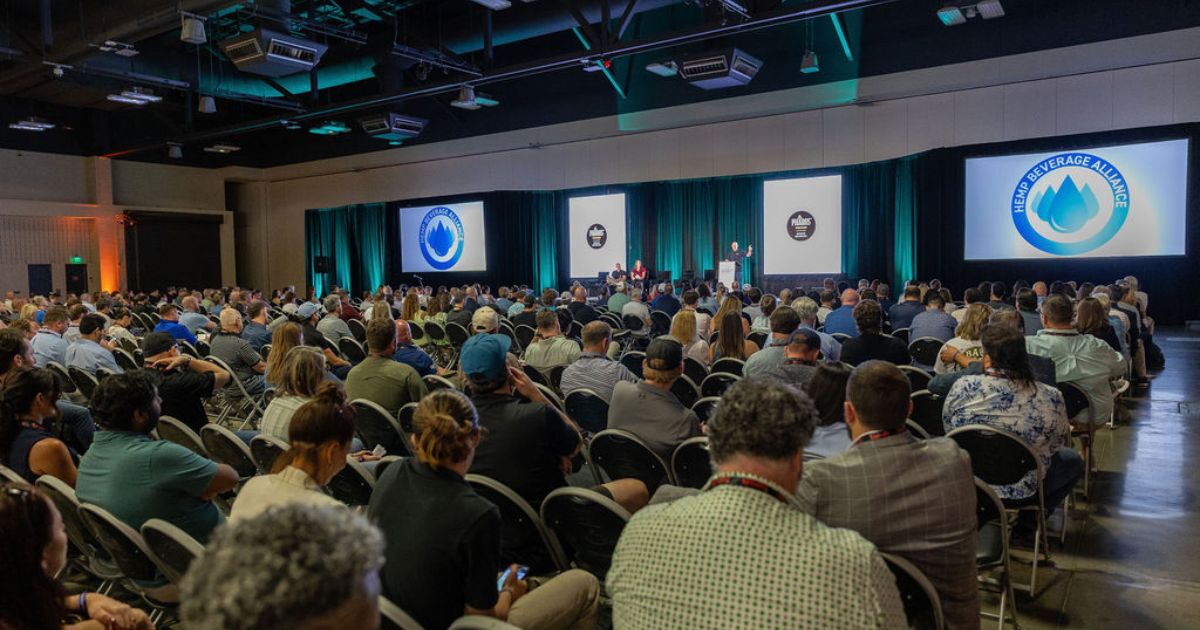
The hemp beverage industry gathered in Austin for the third annual Hemp Beverage Expo (HBE), where a crowded show floor reflected both the category’s rapid growth and the anticipation surrounding its future. The market has largely developed under the 2018 Farm Bill, which federally legalized hemp containing less than 0.3 percent delta-9 THC and helped open the door for hemp-derived cannabinoids to enter mainstream retail channels outside state-licensed cannabis dispensaries.
While questions about regulation remained front and center during the expo June 17-18, they did little to overshadow the industry’s progress. The conversation has shifted from whether hemp beverages have a future to how they’ll continue to grow, even as federal policy discussions continue to evolve and could significantly reshape the category if adopted.
Attorney Daniel P. McGee, founder of D.P. McGee Law PLLC, said at the show, “The hemp beverage category has grown exponentially in the past few years. It was clear from exhibitors and attendees at the 2026 HBE, there is tremendous support for the continued growth and expansion of the category although it is facing significant regulatory headwinds.”
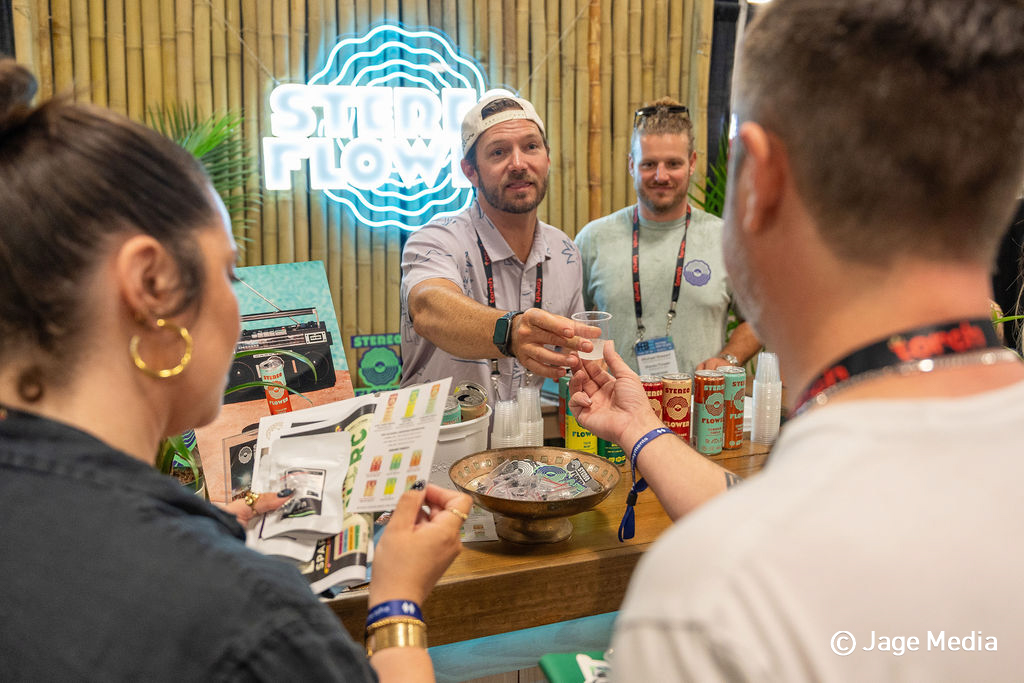
The Conversation Has Changed
Target recently announced its expansion of hemp-derived THC beverage sales into more than 300 stores across Illinois, Florida and Texas, extending a pilot program that began in Minnesota. The move marks a significant step-up in retail distribution for the category as brands continue to push into mainstream channels.
Panels throughout HBE focused on distribution strategy, retail merchandising, supply chain transparency, compliance planning, and customer education.
Consumer expectations have evolved alongside the market, said Jazmin Hupp, Chief Marketing Officer of JOTA Living.
“A few years ago any THC beverage would sell – but now consumers are much more sophisticated,” Hupp said. “They don’t want to trade taste for effect. They don’t want to consume a bunch of sugary calories or weird ingredients. This year’s show focused on beverages that feel good, taste good, and are good for your body.”
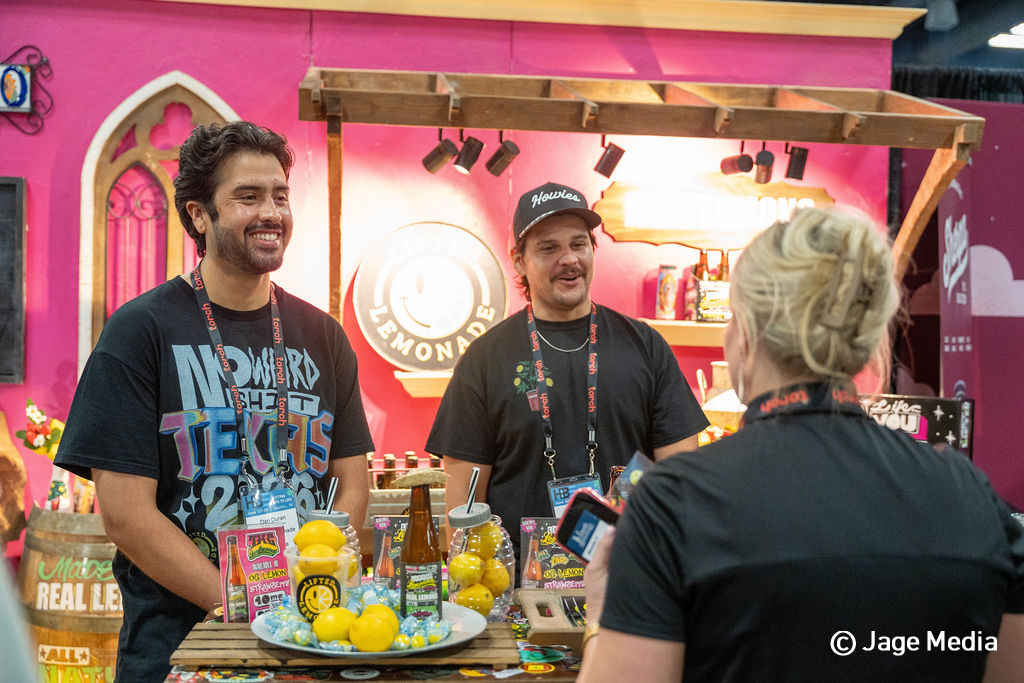
Distribution Has Become a Strategic Advantage
One of the conference’s strongest themes centered around distribution. As wholesalers discussed during the “Distributing Through Uncertainty” panel, today’s distributors are doing far more than moving cases from warehouse to retailer.
Retail demand may exist, but demand alone doesn’t guarantee products reach consumers. Success increasingly depends on relationships, and the ability to adapt if regulations shift overnight.
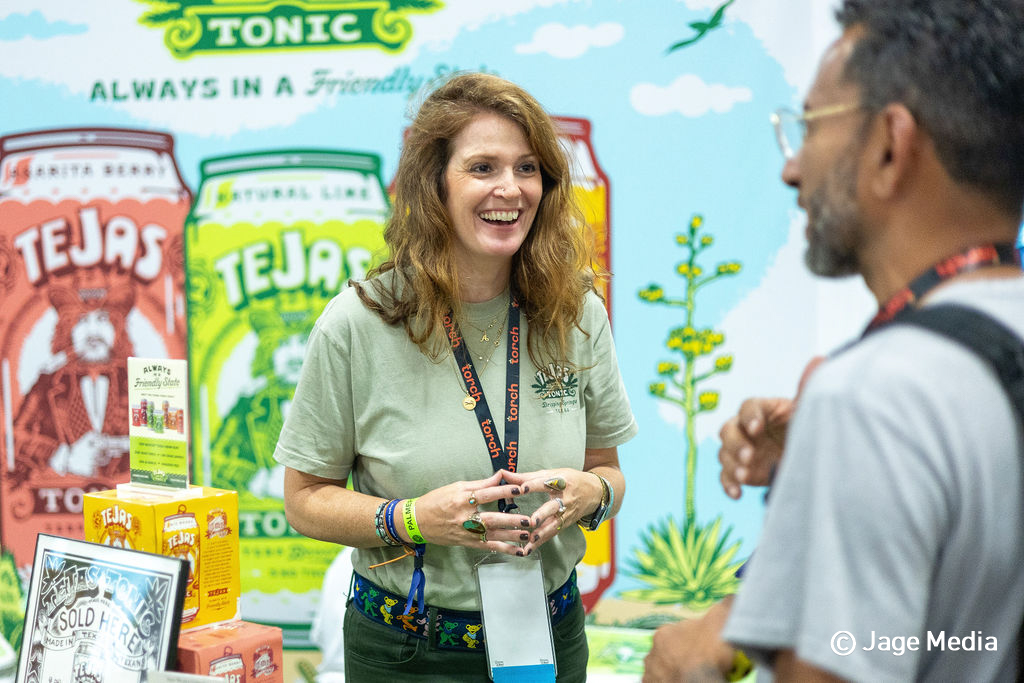
Building for More Than One Outcome
Some brands are exploring formulations beyond hemp-derived THC, incorporating adaptogens, nootropics, botanicals, and other wellness ingredients into broader beverage portfolios.
Austin-based Somalab, founded by Earl Green, recently launched Alchemystic Cosmic Nectar, a botanical, nonalcoholic beverage featuring blue lotus extract. The company offered samples on the show floor.
Whether regulations become more favorable or more restrictive, many brands are positioning themselves to serve consumers through diversified product offerings.
Dillon Chestnut, co-founder of High Days, a Pennsylvania-based beverage company that makes hemp-derived cannabinoid sodas, said the brand is leaning heavily into mental health as it positions itself as a lifestyle brand focused on events and on-site wellness support.
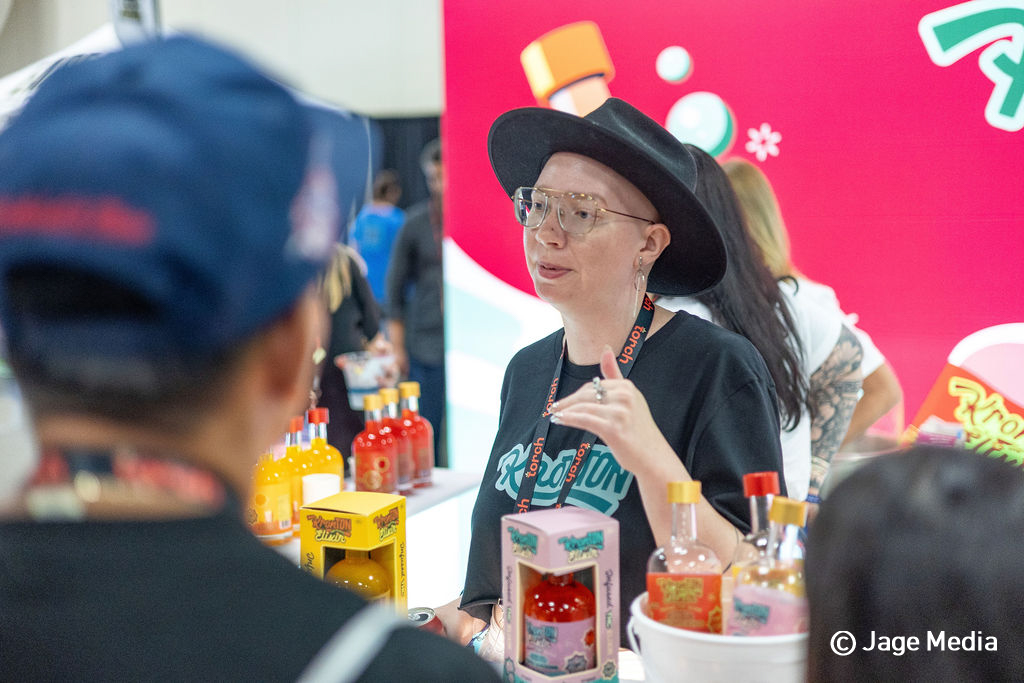
From Shelf Placement to Consumer Choice
The “From Shelf to Sale” session reinforced that shelf placement influences discovery. Simple merchandising increases visibility. Educated retail staff create consumer confidence, and clear messaging often outperforms complicated explanations of cannabinoids and formulations.
Rather than chasing endless product launches or expanding faster than infrastructure allows, speakers encouraged brands to build sustainable businesses rooted in operational excellence.
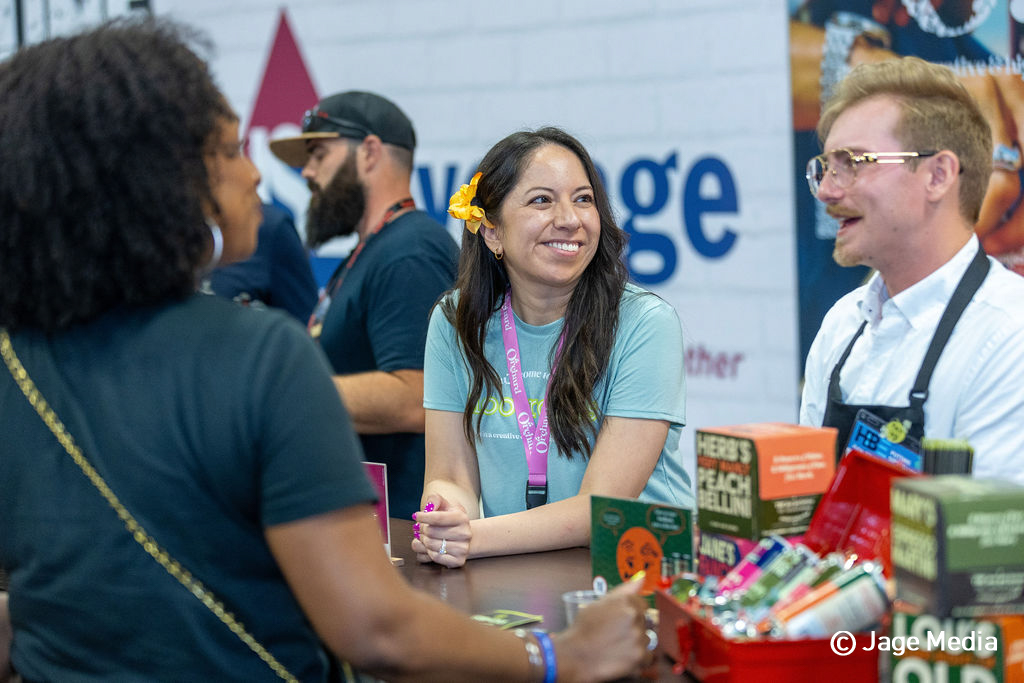
All images include feature image courtesy of Jage Media.
Alejandro De Anda is an award-winning cannabis cultivator who began his career in California’s medical cannabis industry in 2009. Since then, he has overseen the development of multiple cultivation facilities, and designed electrical systems for both indoor and outdoor cannabis farms in California, New Mexico, and Massachusetts.