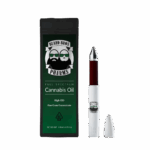


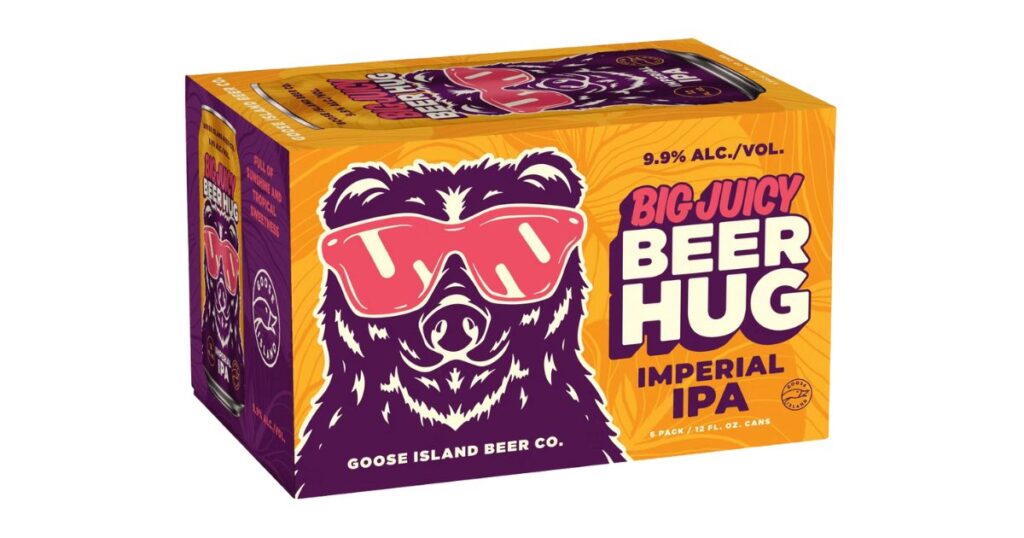
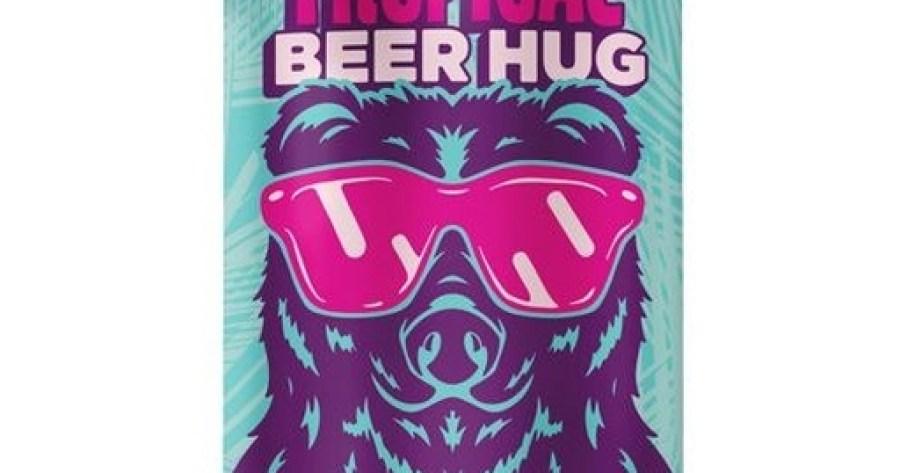
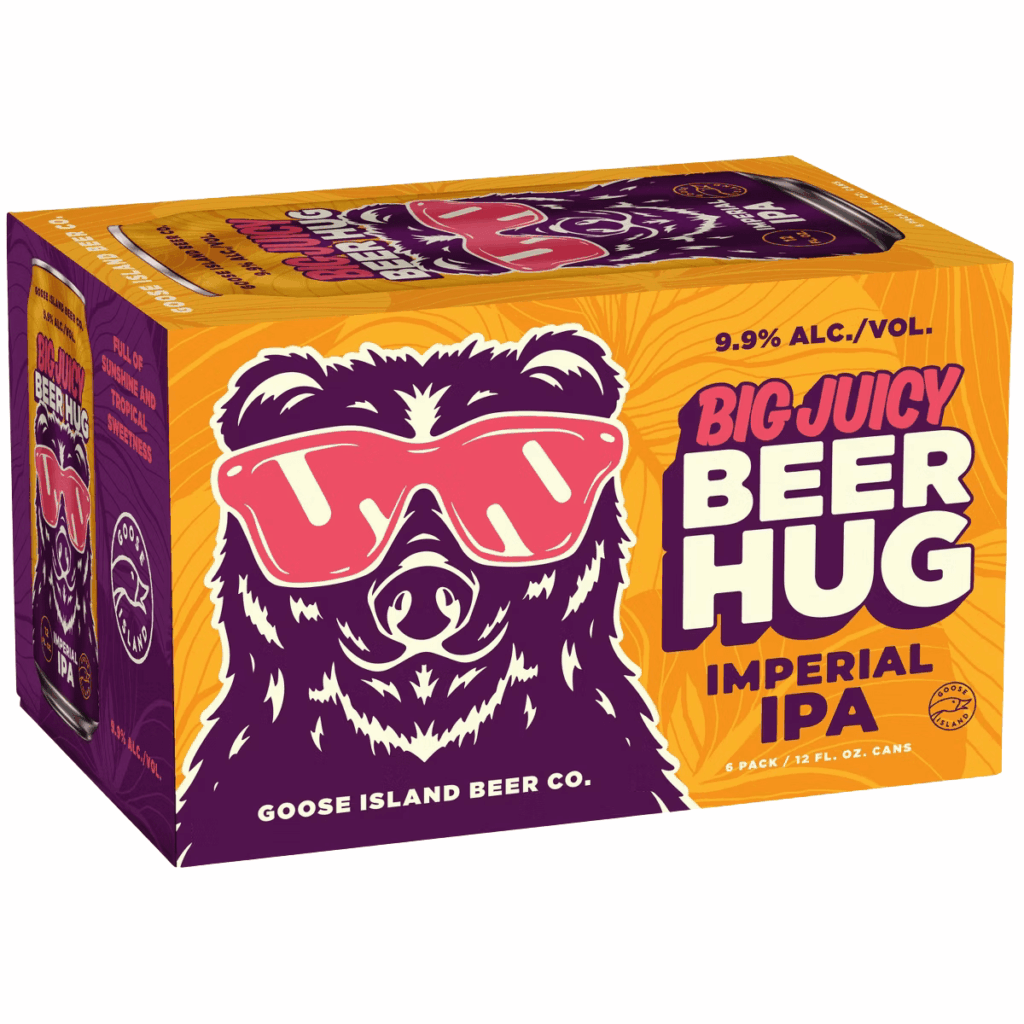
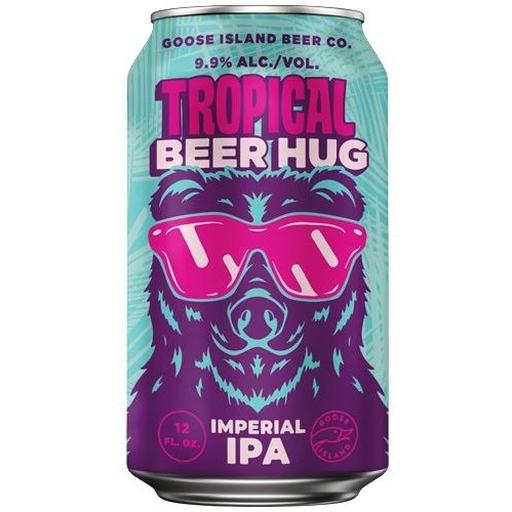
Bright colors. Bold graphics. A label that looked more like street art than a regulated substance. I didn’t choose it because I analyzed the hops or ABV — I chose it because the packaging caught my eye in seconds. That’s what modern packaging is designed to do.
This morning, I asked my 10-year-old if the can looked cool. He said yes. I asked if he’d pick it if he was allowed to drink. He paused and said, “Maybe.” That’s when the hypocrisy hit: everything they say about cannabis “marketing to kids” applies to alcohol, too.
We’ve Seen This Playbook Before
Cannabis didn’t suddenly become dangerous — it became politically convenient. Every time the conversation gets close to real reform, the headlines pivot to fear: kids, crisis, emergency, “protect the youth,” and “do something now.”
I broke this pattern down in The Real Youth Crisis Isn’t Cannabis, because the truth is the same: cannabis becomes the scapegoat while alcohol, pills, social pressure, and untreated mental health issues stay in the shadows.
That’s what propaganda does: it points the camera where it’s convenient, and it blurs everything else. It lets lawmakers look like they’re doing something without confronting the industries that actually shape culture.
- Cannabis takes the blame while alcohol stays normalized.
- Concern becomes a headline, not a solution.
- “Safety” is used as a lever to control markets.
- Meanwhile, families are still drowning in real-world harm.
This isn’t about protecting kids. It’s about protecting industries that already have power — and making sure new ones don’t.
Swap the Substance, Same Talking Points
When cannabis is discussed in the media, the language is rehearsed: “colorful packaging,” “appeals to kids,” “normalizes use,” “public safety.” So I did a simple thought experiment: apply those same claims to alcohol.
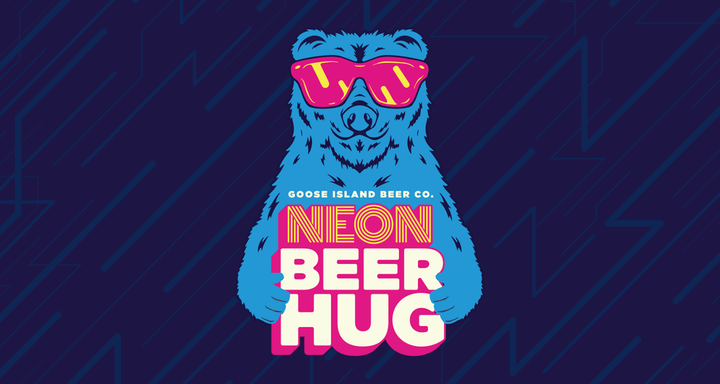
Walk into a liquor store and you’ll see it immediately. Craft beer cans look like comic covers. Hard seltzers mimic energy drink branding. Flavored vodkas taste like candy and look like a party in a bottle.
Alcohol gets treated like “normal adult life,” even though the marketing tactics are the same ones regulators point to when they want to crack down on cannabis. The standard isn’t consistent it’s strategic.
If we’re being consistent, these would all trigger the same outrage:
- Bright, playful graphics that reward impulse buying
- Flavor profiles designed for easy entry (sweet, fruit-forward)
- Lifestyle marketing tied to identity, fun, and belonging
- Mass advertising during major sports and prime-time programming
- Retail placement that keeps alcohol visually present in everyday life
- A “cool can” effect that works on adults and kids who see it
Alcohol isn’t treated like a youth-marketing crisis not because it’s safer, but because it’s established. That’s the double standard.
The Packaging Argument Collapses Under Evidence
Packaging is not neutral. It’s engineered to grab attention, signal identity, and influence choice within seconds especially for younger brains that are wired for novelty, color, and social cues.
A major systematic review in Addiction found youth exposure to alcohol marketing is associated with earlier initiation and heavier consumption later in life (Jernigan et al., 2017). Read the review.
Another study (Padon et al., 2018) found alcohol brands using more youth-appealing content were more likely to be consumed by youth than adults. View on NIH (PMC).
So when my child notices a beer can and calls it “cool,” it’s not an accident. That’s branding doing what it’s supposed to do create curiosity, attachment, and a desire to choose it.
- My kid saying “cool” isn’t random it’s how visual marketing works.
- If “appeal” is the standard, alcohol qualifies daily.
- If “youth exposure” is the concern, alcohol already has the footprint.
So when the cannabis conversation hyper-focuses on packaging, it’s either ignorance… or selective enforcement.
This Is a Global Pattern
This hypocrisy isn’t limited to America. Across countries, alcohol remains culturally protected while cannabis is treated like a moral emergency even when public health data points in the opposite direction.
I dug into this from the Australia angle here: Cannabis vs Alcohol: Australia 2025. Same pattern. Same messaging. Same discomfort.
Internationally, alcohol’s normalization masks its impact while cannabis absorbs political fear. The resistance isn’t scientific; it’s cultural and economic.
- Alcohol harm is widespread but “socially accepted.”
- Cannabis harm is amplified through stigma and policy.
- Markets shape morals more than people want to admit.
When the story is global, it’s not a coincidence it’s an industry pattern.
Addiction Is Being Weaponized
Addiction gets invoked whenever cannabis reform gains traction, but it’s rarely explained honestly. Addiction isn’t a slogan it’s a medical outcome with measurable risk, severity, and consequences.
Alcohol dependence carries severe physical risks, including potentially life-threatening withdrawal, long term organ damage, and neurological harm. Cannabis dependence exists, but it does not carry the same mortality profile or withdrawal danger.
I dismantled the propaganda framing here: Cannabis Addiction or Alcohol Industry Propaganda? Let’s Call Bullshit. If we can’t talk about addiction with nuance, we’re not doing public health we’re doing marketing.
- “Addiction” becomes a weapon when it protects legacy profits.
- Fear-based messaging thrives when context is removed.
- The public deserves comparisons rooted in harm, not stigma.
Treating cannabis and alcohol as equal threats isn’t caution. It’s narrative control.
The Research Avalanche & Real Harm
Science doesn’t move quietly it moves steadily. In a single year, over 4,000 peer-reviewed cannabis studies were published across medical and public health journals. Here’s the breakdown.
Alcohol’s harms, however, aren’t “emerging.” They’re already established. The CDC notes excessive alcohol use is associated with more than 140,000 deaths per year in the United States. CDC: Alcohol and public health.
Globally, the World Health Organization attributes 2.6 million deaths annually to alcohol. WHO: Alcohol fact sheet. Yet alcohol remains culturally protected and cannabis remains politically hunted.
- If “safety” is the headline, alcohol should be the main story.
- If “youth risk” is the concern, alcohol is already everywhere.
- If “public health” is the mission, the messaging is backwards.
I also explored how these dynamics hit young adults and campus culture here: Simultaneous Cannabis & Alcohol Use and College Mental Health.
Follow the Money, Not the Morality
If protecting children was truly the priority, alcohol packaging would face the same scrutiny, sports sponsorships would be restricted, and prime-time alcohol ads would be questioned. Instead, cannabis is over regulated while alcohol remains insulated.
Why? Because cannabis threatens alcohol sales, pharmaceutical dependence, and centralized control. The “cooler” is a battlefield now and that’s why THC beverages triggered so much tension. THC Drinks, Seth Rogen, and the Cooler War.
And when consumers choose cannabis over alcohol, the market tells the truth out loud: Americans Prefer Cannabis Over Alcohol. That shift explains the panic because power doesn’t like competition.I mapped the deeper power imbalance here: The Three Ps of Cannabis: Profit, Punishment, and Participation. Same playbook. Different plant.
This isn’t about safety. It’s about control who’s allowed to profit, who gets punished, and who gets locked out.
Key Takeaways
Here’s the truth in plain language:
- ✅ If “colorful packaging” is the standard, alcohol qualifies constantly.
- ✅ Research links youth exposure to alcohol marketing with earlier initiation and heavier drinking.
- ✅ Alcohol causes massive public health harm, yet remains culturally protected.
- ✅ Cannabis is treated as crisis-level while alcohol gets a free pass — that’s selective enforcement.
- ✅ This fight is about power and profit, not consistent “safety” logic.
Sources
- Jernigan et al. (2017), Addiction — alcohol marketing exposure linked to youth initiation and heavier drinking: https://onlinelibrary.wiley.com/doi/10.1111/add.13626
- Padon et al. (2018), NIH/PMC — youth-appealing alcohol branding and youth consumption: https://www.ncbi.nlm.nih.gov/pmc/articles/PMC5901028/
- CDC — alcohol and public health (mortality and harms): https://www.cdc.gov/alcohol/about-alcohol-use/index.html
- WHO — alcohol fact sheet (global harms and deaths): https://www.who.int/news-room/fact-sheets/detail/alcohol
- The Lancet (Nutt et al., 2010) — multicriteria analysis including alcohol’s broad harm: https://www.thelancet.com/journals/lancet/article/PIIS0140-6736(10)61462-6/fulltext
The grow room became therapy — and the deeper I go, the more I realize the “war” was never about safety. It was about control.
Join the Conversation
Have you seen alcohol packaging that would 100% be called “kid-appealing” if it was cannabis? Drop your example and let’s document the double standard. If you want to connect privately, hit the contact page or explore more at MadManPlant.com.
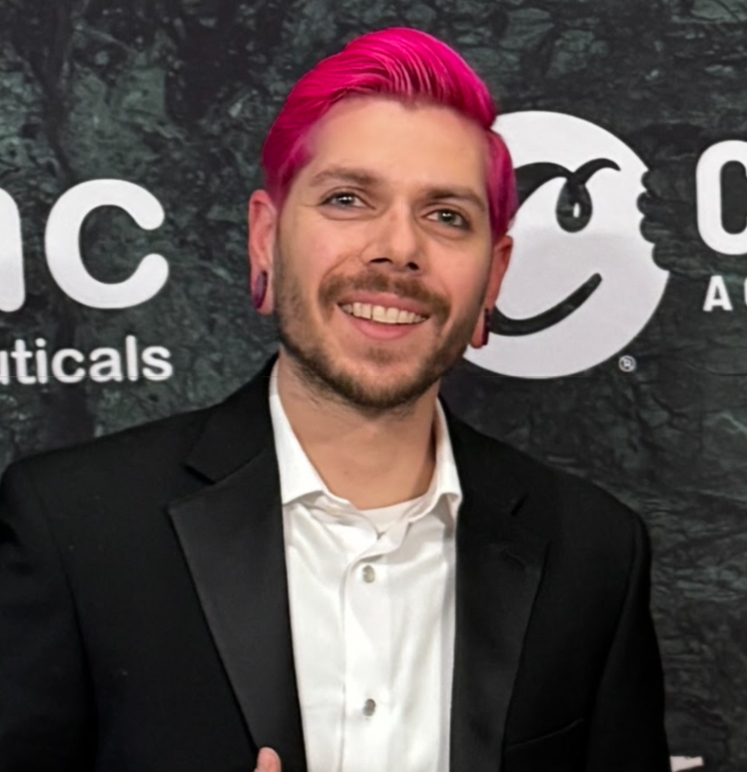
Stefan Walter is the founder of MadManPlant, a cannabis education and culture platform focused on policy, stigma, and harm-reduction. What began as home growing during a period of personal burnout became a framework for discipline, mental health, and advocacy. Through MadManPlant, Vindec EU, and GoodLuckStef Productions, Stefan challenges selective narratives around drugs, public safety, and who gets to participate in emerging industries.