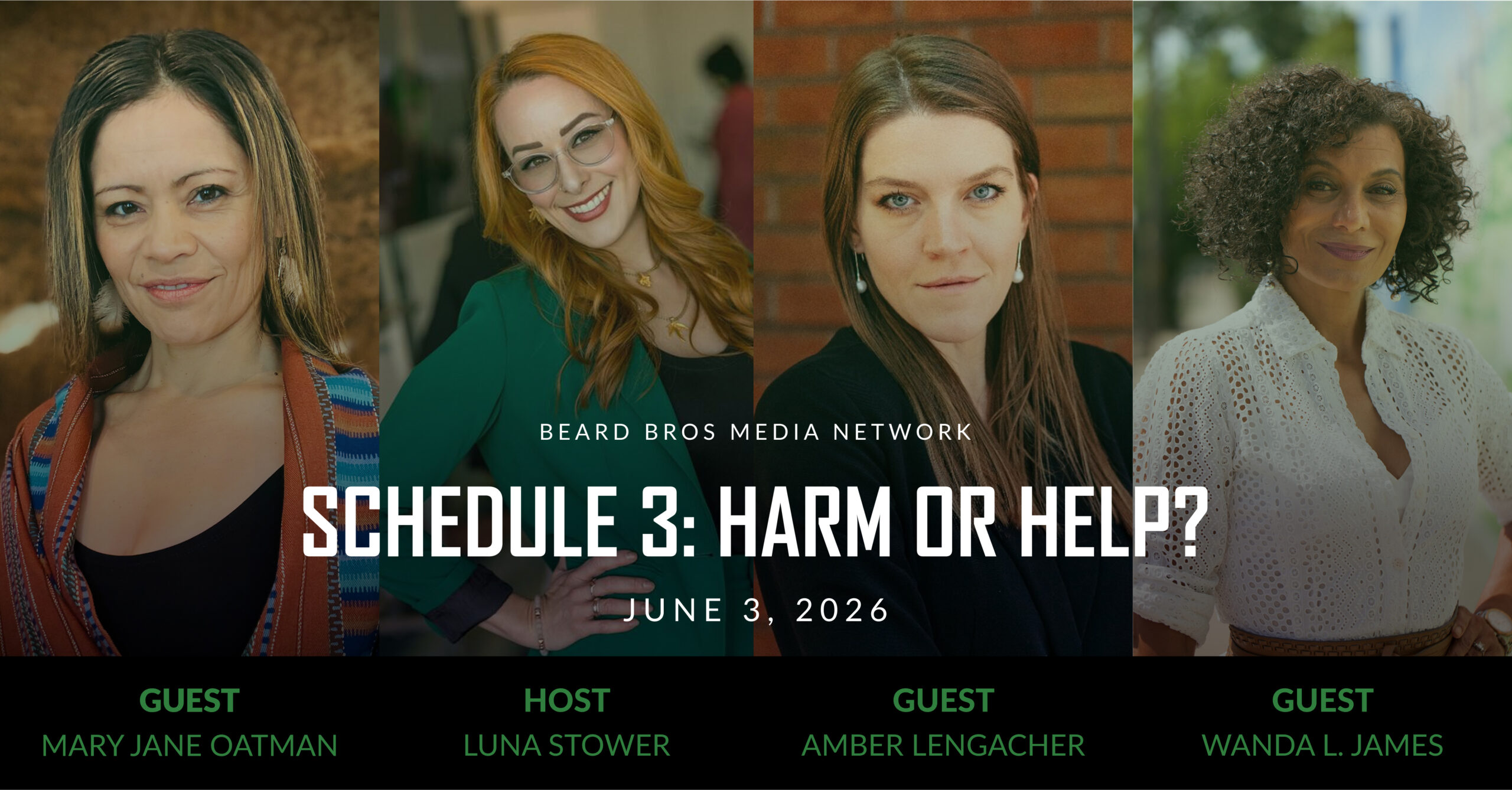
In a compelling webinar, influential voices from the cannabis industry, Indigenous communities, and political spheres gathered to shed light on the implications of recent federal moves to reschedule cannabis and what it means for operators, patients, and communities nationwide.
Moderated by Luna Stower, founder of Luna Stower Strategies, the session featured a distinguished panel including Mary Jane Oatman, Executive Director of the Indigenous Cannabis Industry Association (ICIA), Wanda L. James, Colorado politician and cannabis pioneer, and Amber Lengacher, attorney and policy expert.
A Call to Action in a Complex Regulatory Landscape
The discussion centered around the recent federal announcement that medical marijuana could be temporarily classified under Schedule III of the Controlled Substances Act. While this move is a significant shift, panelists emphasized that it is still an executive order, not a permanent law, and carries many caveats.
Amber Lengacher explained, “This is a very narrow scope. It pertains to FDA-approved medical marijuana and state-regulated medical programs, but it doesn’t change the legality of recreational cannabis or the broader industry. It’s a step, but not a sweeping legalization.”
Wanda L. James highlighted the ongoing challenges faced by operators and communities operating in the gray areas of law for over a decade and a half. “Seventeen years of operating in this ambiguous space have caused disruption, loss of savings, and in some cases, incarceration,” she stated. “Despite billions in revenue and millions of people employed, we’re still fighting for basic rights like banking and safe access.”
The Impact on Indigenous and Marginalized Communities
Mary Jane Oatman brought a vital perspective from her work with Indigenous communities, emphasizing the importance of land rights and sovereignty. “Our tribes have been stewards of this land for over 16,000 years,” she said. “The current legal framework excludes tribes, which is a serious oversight. If Indigenous communities are not included and protected, the industry as a whole is at risk.”
She also addressed the risks of criminal justice disparities, noting that many incarcerated individuals convicted under outdated laws could potentially benefit from the recent changes if their cases are revisited.
Legal Clarifications and Practical Advice
Throughout the webinar, legal nuances were clarified. Lengacher pointed out that the difference between medical and recreational cannabis is largely semantic—often just the label or testing standards—since chemically, there is no distinction in the plant itself.
She also warned operators to consult with legal counsel before applying for DEA registrations related to Schedule III, as the process is complex and potentially risky. “This is uncharted territory, and the decisions made now could have long-term consequences,” she warned.
A Vision for the Future
Panelists urged attendees to remain resilient amid the rollercoaster of legal developments. Wanda James advised, “Don’t let the ups and downs discourage you. This plant has survived prohibition, and it will continue to thrive as long as we stay committed.”
Oatman emphasized the importance of centering Indigenous voices and land acknowledgments in industry conversations, advocating for reparations and equitable inclusion.
Mobilizing for Change
The webinar concluded with calls for increased civic engagement. Wanda James encouraged viewers to vote and support candidates who understand the plant’s significance, emphasizing that “it’s time to elect people with common sense and a vision for progress.”
Participants were reminded that this is a pivotal moment. With ongoing hearings, application deadlines, and legislative efforts, legal experts stressed the importance of proactive legal strategies and community solidarity.
Availability and Next Steps
The session served as both an educational resource and a rallying cry for industry stakeholders to stay informed, connected, and engaged in shaping cannabis policy.
As the industry navigates this shifting landscape, one thing remains clear: collaboration, education, and advocacy are essential to ensuring that the plant’s benefits are accessible to all, and that justice and equity are at the forefront of reform.