



Long before cannabis had compliance departments, standardized operating procedures, or access to institutional capital, it had problem-solvers.
Early operators didn’t just grow a plant, they built an ecosystem from scratch. Rooms were constructed by hand, equipment was modified well beyond its intended purpose, and techniques were refined through trial, error, and trust. What people knew, lived in practice, not necessarily in systems. It moved through trust and repetition, shared carefully and sometimes shared under pressure. When things went wrong, it wasn’t abstract. Crops were lost, livelihoods took a hit, and at certain points in the industry’s history, the personal stakes ran far deeper.
That shared history shaped more than operations. It created a culture rooted in craft, mentorship, and mutual reliance. Skills were earned, not bought. Experience carried weight. Knowledge was shared directly between people, learned through hands-on experience, mistakes, and lessons rather than formal teaching. That history explains some of the tension around modernization.
New tools don’t just alter how work gets done, they can also feel like they sidestep the effort it took to learn the craft and the independence that came with it.
That instinct is understandable. I didn’t come into cannabis believing technology was the point. I came into cannabis believing the work and the people powering this industry deserved tools that honored what came before. Tools that protect the plant, respect the process, and support the responsibility operators already carry.
Innovation Has Always Been Part of the Culture
Cannabis has never resisted progress itself. What it has resisted are shortcuts that promise ease without accountability. That distinction matters, because it’s where many conversations about modernization lose their footing.
Seen in context, the friction between old practices and new approaches has been part of cannabis for decades. Different generations have taken it on in different ways, all trying to build more capacity without losing substance.
Indoor cultivation was once controversial. So were automated irrigation systems, environmental controls, and data tracking. Each move toward efficiency raised legitimate questions about whether intuition would be lost, whether quality would flatten, or whether the work would become disconnected from the people performing it. What ultimately determined success wasn’t the presence of new tools, but the intent behind their use.
The best operators didn’t hand full control over to machines. They used tools to stabilize the predictable parts of the operation, freeing themselves to focus on quality, nuance, and timing. Responsibility became sharper, not lighter. Staying close to the plant wasn’t about labor — it was about judgment, and making sure it stayed in the right hands.
That’s the lineage modern tools come from, whether we want to acknowledge it or not.
Tools Don’t Erase Values, Misuse Does
Problems usually start when technology is brought in as the answer instead of as a helper. I’ve seen tools adopted because they looked good on paper or because someone claimed they would simplify everything. What follows is often the same story: systems that are hard to adjust, teams working around the tech instead of with it, and setups that hold together only as long as nothing unexpected happens.
That isn’t a failure of innovation, it’s a failure of ownership. You see it when a system is installed without operator input, when edge cases are ignored, or when no one is clearly responsible for what happens when the process breaks. Instead of empowering teams, the technology becomes something they work around or quietly patch together just to keep things moving.
In real cannabis production environments, variability is constant. Flower quality shifts from batch to batch, regulations evolve midstream, staffing levels fluctuate, and demand rarely follows a clean forecast. Systems that assume perfect inputs or static conditions don’t survive long. Experienced operators already design around this reality, often intuitively, because they’ve lived the consequences of not doing so.
The real question comes down to whether tools are built and introduced with the same tolerance for variability, ownership, and care that long-time operators rely on. If a system supports hands-on adjustment and learning, then the operation is building on the right foundation. If the system forces teams to follow rigid paths that don’t bend when reality does, then the technology is being built on shaky ground.
Where Human Judgment Still Matters Most
No amount of automation replaces judgment about quality, timing, or intent. Machines don’t decide what standards matter, people do. Used thoughtfully, tools help translate intent into consistent action. They take pressure off routine tasks, bring issues into view sooner, and steady results over time.
Technology succeeds in production environments when it’s shaped by people who understand the day-to-day realities of the work, not just how a process looks on paper. Systems designed this way reflect how tasks are actually performed, including the workarounds, exceptions, and adjustments that never appear in a presentation. Less experienced teams often make the mistake of designing for ideal conditions, assuming consistency where it does not exist. Legacy operators know better because they’ve learned, repeatedly, that adaptability is not optional.
Preservation Through Intention, Not Resistance
It’s tempting to frame legacy values and modern tools as opposing forces. In practice, that framing doesn’t hold. The real divide isn’t old versus new, it’s intentional versus careless.
Preserving culture means carrying forward the principles that made those operations work: respect for the plant, accountability to the process, responsibility for outcomes, and an ability to grow without losing control. Technology that can evolve alongside the business supports those principles.
As cannabis continues to mature, the industry needs people who understand that modern tools can protect the craft when used with care, intention, and respect for the plant. By no means is this a break from cannabis culture. In fact, it’s exactly where cannabis culture has always been headed.
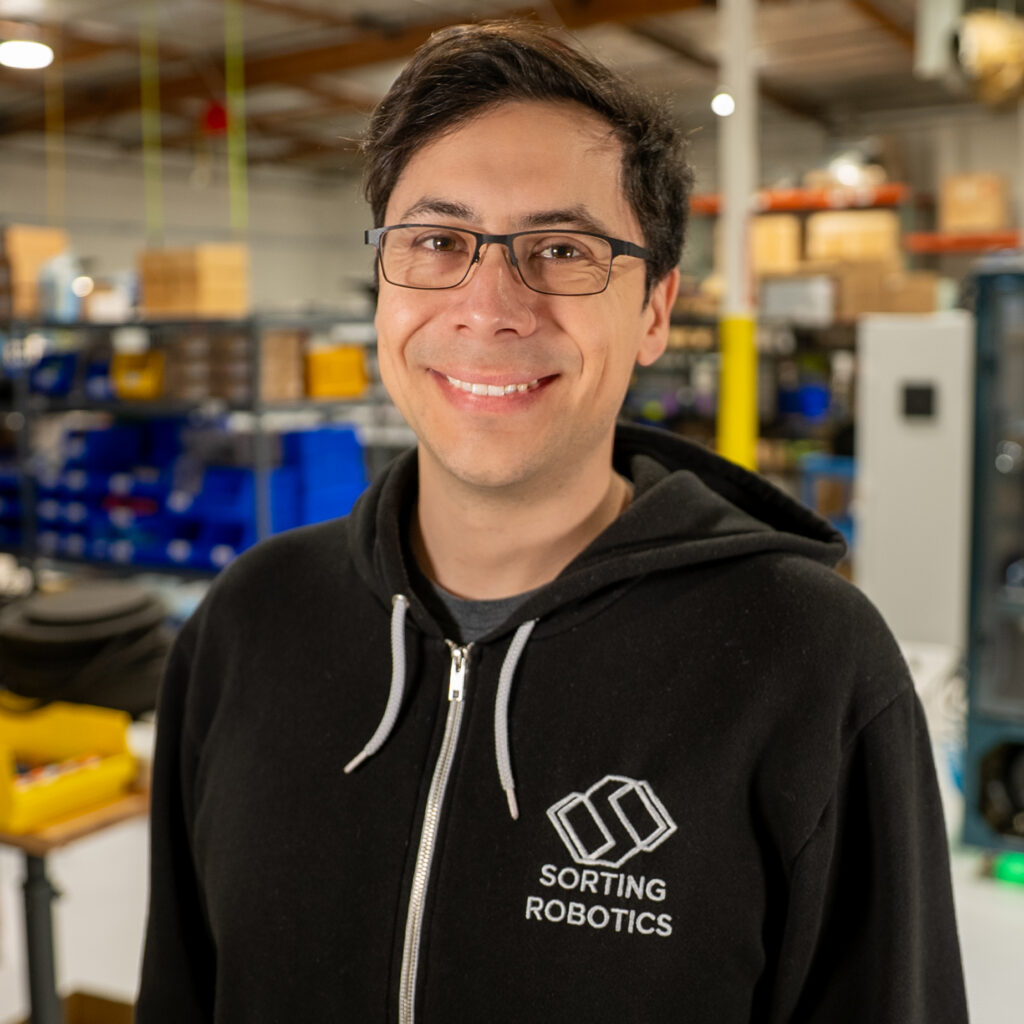
Nohtal Partansky is the Founder and CEO of Sorting Robotics. He is a serial entrepreneur and former NASA-JPL engineer. At NASA-JPL, Nohtal was a cognizant engineer on the MOXIE project; an instrument on the surface of Mars producing oxygen from the Martian atmosphere. After leaving NASA-JPL, Nohtal founded Sorting Robotics with his co-founder, Cassio Dos Santos Jr. Since the company’s inception, Nohtal has led Sorting Robotics in building innovative equipment for cannabis manufacturers and vertically integrated brands. While building Sorting Robotics, he witnessed firsthand how the lack of automation in the cannabis industry disrupts the value chain and erodes profit margins. Today, Sorting Robotics is working to solve those problems with AI-driven machines deployed across North America. To learn more about Sorting Robotics, please visit https://www.sortingrobotics.com/. To learn more about Nohtal, you can connect with him on LinkedIn at https://www.linkedin.com/in/nohtal/.