

If yield is the loudest metric in cannabis cultivation, terpenes are the quiet ones that matter just as much—if not more. They define aroma, flavor, effect, and increasingly, market value. Yet for years, terpene expression was treated as something mystical or genetic-only, as if smell and flavor simply happened at harvest.
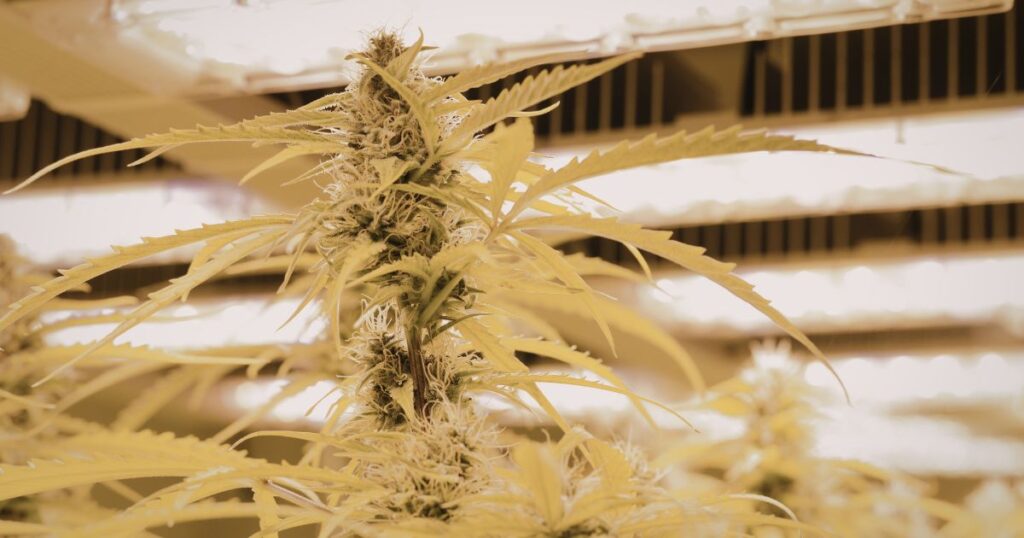
In reality, terpene expression is deeply influenced by how a plant experiences its environment, and few factors shape that experience more profoundly than light. Not just how much light a plant receives, but what kind, when, and under what conditions. Lighting can push a plant toward peak expression—or quietly stress it into survival mode.
Understanding the relationship between lighting, plant stress, and terpene production is no longer optional. It’s the difference between flower that tests high and flower that people remember.
Terpenes Are a Response, Not a Decoration
Terpenes are not added for our enjoyment. They are part of a plant’s defense and communication system—produced to deter pests, attract pollinators, and protect against environmental stressors like heat, UV radiation, and drought. In cannabis, these aromatic compounds happen to interact with our senses and endocannabinoid system in powerful ways.
This means terpene production is inherently tied to stress—but the right kind of stress.
A cannabis plant that is too comfortable often produces muted aromas. A plant that is overly stressed may shut down secondary metabolite production entirely. The goal is not to eliminate stress, but to manage it precisely.
Light sits at the center of that balance.
When Light Becomes Stress
Light is energy. Energy drives photosynthesis, but it also creates heat, triggers metabolic responses, and influences how a plant allocates resources. When lighting intensity, spectrum, or duration exceeds what a plant can comfortably process, stress begins to accumulate.
Under traditional HID systems—particularly high-pressure sodium—plants often experienced significant radiant heat stress. Leaves closest to the bulb worked harder to regulate temperature, diverting energy away from terpene synthesis. This is one reason older indoor flower sometimes tested high in cannabinoids but low in volatile aroma.
Excessive light intensity can also lead to photoinhibition, where the plant’s photosynthetic machinery becomes overwhelmed. When this happens, the plant shifts into self-protection mode, prioritizing survival over expression.
Spectrum Matters More Than Wattage
For decades, cannabis lighting focused almost exclusively on intensity. More watts meant more yield. But terpene expression is not driven by brute force—it is driven by signaling.
Different wavelengths of light trigger different responses within the plant. Blue light influences morphology and leaf development. Red light drives flowering responses. Far-red light affects plant stretch and flowering timing. UV light, when applied carefully, can stimulate resin and terpene production as a protective response.
Modern LED systems allow cultivators to shape these signals rather than blasting plants with a single dominant spectrum. This ability to fine-tune light is one of the most significant advantages LEDs offer when it comes to aroma and flavor preservation.
The Heat–Terpene Tradeoff
Terpenes are volatile by nature. Many begin to evaporate at relatively low temperatures, long before cannabinoids degrade. Under high radiant heat, particularly late in flower, terpene loss can occur before harvest ever arrives.
This is where lighting choice becomes critical. HID systems deliver intense infrared radiation directly to the canopy, often forcing growers to run cooler ambient temperatures to compensate. LEDs, by contrast, produce less radiant heat at canopy level, allowing plants to maintain metabolic efficiency without cooking off aromatics.
This shift alone has changed how modern flower smells, tastes, and stores.
Stress as a Tool, Not a Mistake
Some degree of controlled stress can enhance terpene expression. Slight reductions in temperature late in flower, carefully applied UV exposure, and subtle shifts in spectrum can all encourage plants to increase resin production.
The key is intentionality.
Uncontrolled stress—light burn, excessive intensity, inconsistent photoperiods—does the opposite. It reduces terpene complexity and flattens expression. Plants under chronic stress produce simpler chemical profiles because they lack the energy to do anything else.
Lighting systems that offer stability and consistency give cultivators the ability to add stress strategically rather than suffer it accidentally.
LEDs and the Modern Terpene Renaissance
The rise of LEDs has coincided with a noticeable shift in consumer expectations. Aroma matters more. Flavor is scrutinized. Subtle differences between cultivars are celebrated rather than masked.
This is not a coincidence.
LED-grown flower often retains a broader terpene spectrum because plants experience:
- Lower canopy temperatures during peak resin production
- More consistent light distribution across the plant
- Reduced environmental swings caused by heat load
When plants are not constantly compensating for excess heat or intensity, they can invest energy into secondary metabolites—the compounds that define character.
Lighting and the “Feel” of the Flower
Terpenes don’t just influence aroma—they influence effect. The interaction between cannabinoids and terpenes plays a major role in how a cultivar feels to the consumer. Bright, uplifting cultivars often express differently under lighting that supports balanced stress and metabolic health than those grown under harsher conditions.
This is why two crops of the same genetic can smell and feel dramatically different depending on how they were lit.
Lighting doesn’t change genetics—but it determines how much of that genetic potential is expressed.
A Shift in Cultivation Philosophy
As cannabis matures as an industry, the focus is shifting away from raw output and toward quality, consistency, and experience. Lighting is no longer viewed as a blunt instrument but as a precision tool.
Cultivators who understand how light influences stress responses gain control over outcomes that once seemed unpredictable. Terpene expression becomes repeatable. Quality becomes scalable.
This is where cultivation begins to resemble craftsmanship.
Terpenes are not an accident, and stress is not the enemy. The relationship between lighting, plant stress, and terpene expression is one of balance. Too little stimulation produces bland flower. Too much stress strips away nuance.
Modern lighting—especially well-designed LED systems—allows cultivators to walk that line with intention. The result is flower that doesn’t just test well, but smells right, tastes right, and delivers the full expression the plant is capable of.
- There Has Never Been a Better Time to Grow Your Own Cannabis: Part 2
- Chasing the Sun Indoors: The Evolution of Cannabis Cultivation Lighting
- From Running Packs to Boosting Yields with Faven Lighting Founder Bobby.Bagz
- Strain Spotlight: Northern Lights and the Rise of Modern Indoor Cannabis
- 2021 Will Be the Year of the Terpene