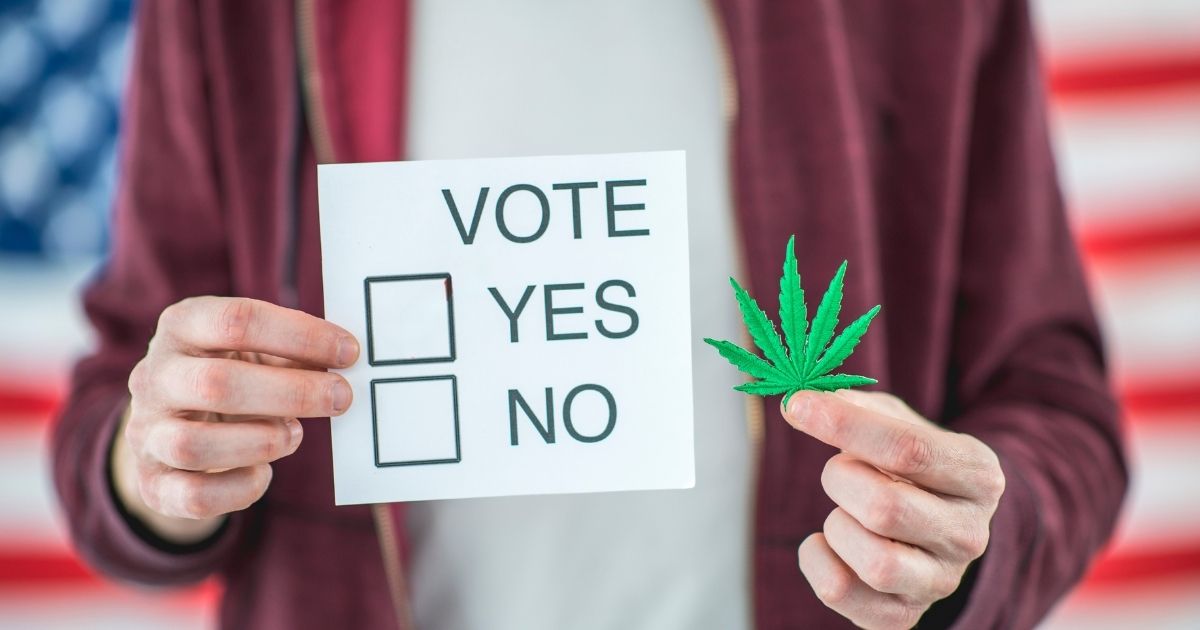
Since voters approved Question 4 in 2016, Massachusetts has built a cannabis ecosystem that serves as a model for the East Coast. The Massachusetts adult-use cannabis industry has generated billions in sales, created tens of thousands of jobs, and provided a steady stream of tax revenue that funds vital public services.
Yet, a shadow has fallen over this success story. A ballot initiative known as “An Act to Restore a Sensible Marijuana Policy” threatens to dismantle the entire recreational market, returning the state to a prohibitionist framework for adult users.
Despite widespread and credible allegations of fraud regarding how signatures were collected, this repeal effort appears ready to appear on the November ballot.
The Proposal to Dismantle an Industry
It is important to understand exactly what Petition 1E proposes, as the language used by its proponents often cloaks its true intent. The initiative does not merely seek to tweak regulations or adjust zoning laws; it aims to repeal the statutory framework that allows for the commercial sale, cultivation, and manufacturing of adult-use marijuana.
While the measure would leave the medical marijuana program intact and allow for the possession of small amounts of cannabis, it would effectively effectively decapitate the regulated market.
If passed, the recreational dispensaries that have become a staple of Massachusetts commerce would be forced to close. The cultivation facilities that employ thousands of residents would shutter. The excise taxes that local municipalities rely on for infrastructure and substance abuse programs would vanish.
Proponents argue this is a return to “sensible” policy, but industry leaders view it as a catastrophic economic regression that would destroy livelihoods and forfeit tax revenue to the illicit market.
Allegations of “Bait-and-Switch” Tactics
The controversy surrounding this initiative doesn’t stem from its stated policy goals, but from the deceptive methods used to qualify for the ballot. To place a question before voters, campaigns must collect a specific threshold of certified signatures.
In this case, Secretary of the Commonwealth William Galvin’s office certified 78,301 signatures, surpassing the requirement. However, reports from across the state suggest that gatherers used deceit to obtain many of these signatures.
Voters in towns have reported being approached by signature gatherers who lied about the petition’s purpose. The Massachusetts Cannabis Business Association (MCBA) and independent reports describe a pattern of “bait-and-switch” tactics where gatherers claimed the petition was for affordable housing, same-day voter registration, or even to help remove fentanyl from the streets.
One particularly damning account comes from attorney Thomas Kiley, who filed a formal objection to the petition, as reported by WWLP. Kiley revealed that his own daughter-in-law’s name appeared on the petition, despite her opposition to the repeal.
Upon questioning, she confirmed she had signed a document after being told it was to support affordable housing in her community.
Why the Challenge Faces a Steep Climb
Given the severity of these allegations, many observers assume the petition would be immediately disqualified. However, the legal reality is far more complex and favors the proponents of the repeal.
Objectors bear the heavy burden of proving that signature gatherers fraudulently obtained enough specific signatures to drop the total count below the required threshold.
Secretary Galvin has stated that disqualification must be based on hard evidence affecting specific signatures, not just general assertions of bad behavior.
Furthermore, the legal defense for the repeal campaign, led by attorney Patrick Strawbridge, argues that there is “scant” evidence to invalidate the thousands of signatures necessary to stop the initiative.
The campaign’s legal team contends they did not instruct gatherers to mislead voters. They also argue that signature gathering is a form of constitutionally protected speech. This legal framework makes it incredibly difficult to invalidate a petition based on verbal misrepresentations made in supermarket parking lots, even if those misrepresentations were egregious.
Because the campaign submitted thousands of signatures over the minimum requirement, they have a significant buffer. To stop the question from appearing on the ballot, opponents would need to successfully challenge and invalidate over 3,000 specific signatures.
Unless opponents present video evidence or thousands of voter affidavits claiming deception, the petition remains legally sound, despite the ethical cloud hanging over it.
The Economic and Social Stakes
The potential success of this ballot initiative represents more than just a political maneuver; it poses a direct threat to public safety and economic stability. The primary argument for legalization was to replace an unregulated, untaxed underground market with a system that tests products for safety and strictly controls access. Repealing the commercial market doesn’t stop the demand for cannabis. Instead, it pushes that demand back to illicit channels with untested products and no age verification.
Moreover, the economic fallout would be severe. The Massachusetts cannabis industry is a significant economic engine. The “Act to Restore a Sensible Marijuana Policy” would result in the immediate loss of jobs for budtenders, cultivators, security personnel, and administrative staff.
It would also take away local tax revenue that communities use to fund schools, parks, and road improvements.
Vigilance is Key to Fighting the Repeal of Adult-Use Cannabis in Massachusetts
The trajectory of the repeal effort serves as a warning against complacency. Despite the popularity of legalization—polling consistently shows a majority of Massachusetts residents support the current system—a well-funded minority using aggressive and allegedly deceptive tactics can still force a re-litigation of settled law.
As the legal challenges likely falter against the high evidentiary standards of the Ballot Law Commission, the fight will shift from the courtroom to the court of public opinion. Industry advocates, workers, and consumers must educate voters on the true impact of this initiative.
While deception may have marred the signature gathering phase, the coming campaign offers an opportunity to clarify the facts: a repeal would dismantle a billion-dollar industry, empower the illicit market, and cost Massachusetts dearly. The initiative is on track, and the industry must be ready to meet it.
- Maine’s Recreational Cannabis Repeal Effort Gets The Green Light To Gather Signatures
- Arizona’s Adult-Use Cannabis Legalization Threatened by Proposed Repeal Amendment
- A New Bill Seeks to Repeal the Federal Hemp Ban
- Voters Tricked by Deceptive Tactics in Massachusetts Recreational Cannabis Repeal Effort?
- Judge Blocks Colorado Springs’ Recreational Marijuana Repeal Measure