Key Takeaways
- Michigan House Bill 6020 proposes a $50 million ibogaine grant program to study its effects on opioid use disorder and other conditions.
- The bill aims to fund FDA-certified clinical trials with a focus on veterans suffering from various mental health issues.
- Ibogaine, a Schedule 1 psychedelic, shows potential benefits but remains illegal outside specific research and prescribing contexts.
- If passed, Michigan will join states supporting psychedelic research, utilizing opioid settlement funds for this purpose.
- The bill is currently under review and has not yet passed, facing ongoing discussions about its funding source.
Michigan House Bill 6020 would create an ibogaine grant program and research fund. It would pull $50 million from the Michigan Opioid Healing and Recovery Fund to back FDA-certified clinical trials. The goal is to study whether ibogaine, a Schedule 1 psychedelic, can treat opioid use disorder, co-occurring substance use disorder, and other neurological or mental health conditions. Importantly, veterans are front of mind.
Introduced by state Rep. Jaime Greene of Richmond on May 21st this year. The bill would set up an ibogaine grant program inside the Michigan Department of Health and Human Services (MDHHS). It would fund it with a $50 million appropriation from the Michigan Opioid Healing and Recovery Fund. If it passes as written, Michigan would become one of the more aggressive states in the country. This would be especially true when it comes to backing psychedelic research with public dollars.
What Is Ibogaine, and Why Is Michigan Interested in It?
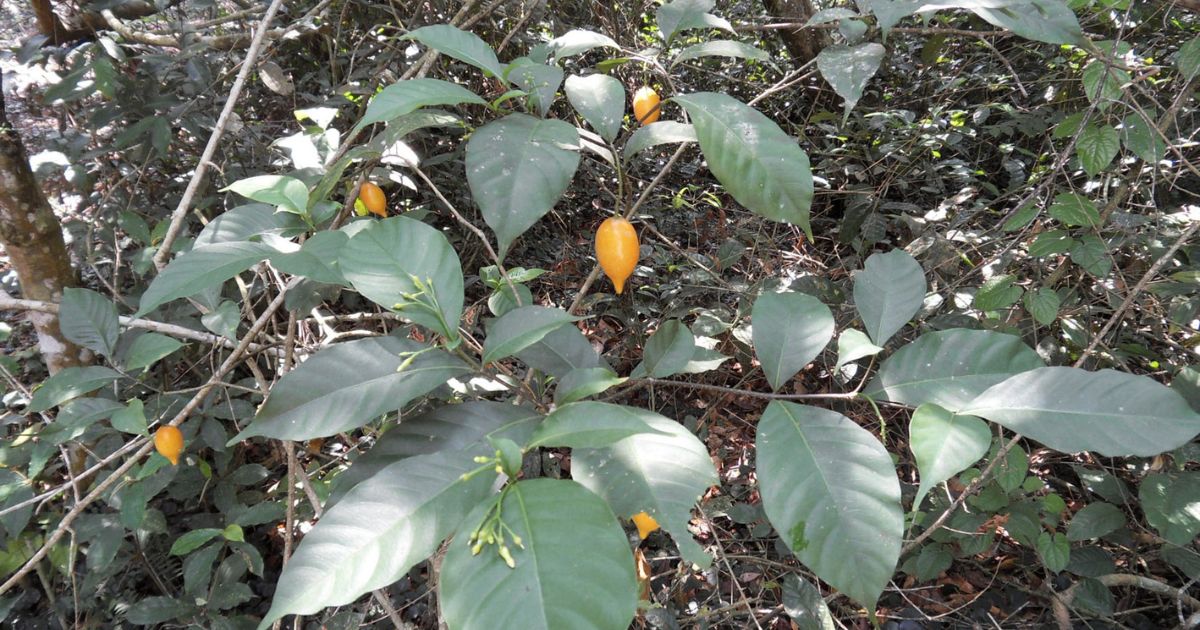
Ibogaine is a powerful psychedelic derived from the iboga plant (tabernanthe iboga), which grows in West and Central Africa. Indigenous tribes there have used it for centuries in spiritual and ceremonial settings. Over the last few decades, researchers and advocates have taken a closer look at its potential to treat addiction and trauma.
The appeal is unusual. Unlike most medications that require daily dosing, some evidence suggests a single ibogaine treatment may ease symptoms for an extended period. Kevin Boehnke, an assistant professor in anesthesiology and associate director of the Michigan Psychedelic Center, testified as first reported by the Michigan Advance that “some evidence suggests that a single ibogaine administration may improve symptoms for an extended amount of time,” pointing to potentially compelling benefits for veterans in particular.
But ibogaine is no casual substance. The experience can last more than 12 hours and has been compared to ancient spirit journeys complete with waking visions. Most existing research has happened outside the U.S., in countries like Mexico that permit trials.
What Would Michigan House Bill 6020 Actually Do?
HB 6020 amends Michigan’s Public Health Code (1978 PA 368) by adding three new sections—2222, 2222a, and 2222b. It also tweaks the state’s controlled substance schedule. Here’s what each piece accomplishes.
It Creates an Ibogaine Grant Program and Research Fund
The bill establishes the ibogaine grant program within MDHHS to fund FDA-certified clinical drug development trials. These trials would study ibogaine’s effectiveness in treating opioid use disorder, co-occurring substance use disorder, or “any other neurological or mental health condition for which ibogaine demonstrates efficacy.”
Alongside the program, the bill creates the ibogaine research fund in the state treasury. The fund would hold the appropriated money plus any assets generated by the clinical trials, with MDHHS acting as administrator.
It Sets Strict Requirements for Grant Recipients
Not just any organization can apply. To receive a grant, a recipient must:
- Be located in Michigan
- Have a proven history of researching and treating neurological diseases, plus expertise in substance dependence and trauma
- Operate a neurosurgery program with the clinical and research facilities to handle complex neurological cases and deliver cardiac intensive care
- Be capable of pioneering research in diagnosing and treating neurological conditions
- Have a signed agreement with a multi-state consortium that has submitted an investigational new drug application to the FDA and sought breakthrough therapy designation
During committee testimony, Greene singled out the University of Michigan as the kind of facility that fits the bill. “That is a top global research facility that we should be having here in Michigan to not just help our veterans, but also those who are addicted to opioids,” she said.
It Allows for a Multi-State Research Consortium
Section 2222b gives MDHHS the ability to set up a consortium that would include Michigan. It would also include at least one drug developer or manufacturing organization, at least one Michigan university, at least one Michigan hospital with cardiac intensive care capacity, and at least one other state. Before any state money flows, the consortium has to file an investigational new drug application with the FDA and pursue breakthrough therapy designation.
It Carves Out a Legal Exception for Research and Prescribing
Ibogaine sits on Michigan’s Schedule 1 list alongside heroin and LSD. HB 6020 doesn’t remove it from that list, but it does create exceptions. Ibogaine used in an approved grant program trial, or eventually prescribed and administered by a physician if the FDA approves it, would no longer be treated as a Schedule 1 substance for those specific purposes.
Greene was clear about the limits here. The bill would not legalize ibogaine for recreational use, and it wouldn’t disrupt existing projects already funded by the opioid settlement.
Where does the $50 million come from?
This is where things get contentious. The $50 million would come out of the Michigan Opioid Healing and Recovery Fund. This restricted account holds a slice of the roughly $1.8 billion Michigan received from the national opioid settlement.
The bill appropriates the full $50 million for the fiscal year ending September 30, 2026. It specifies that the money must be used in a way consistent with the terms of the opioid settlement it came from.
Why Does This Bill Matter for Veterans?
Veterans are the emotional center of Greene’s pitch. A former U.S. Navy cryptologist herself, Greene framed the bill as a way to honor service members carrying invisible wounds.
“For many veterans, the battle does not end when they come home,” she told the committee. “Too many carry the invisible wounds of service—post-traumatic stress, traumatic brain injury, depression, chronic pain, substance abuse disorder. In some cases opioid dependence begins with an injury, a prescription to manage the pain or the trauma.”
Boehnke backed up the urgency with data on the population, noting that veterans face disproportionately higher rates of traumatic brain injury, PTSD, opioid and other substance use disorders, chronic pain, and suicide. Current treatments, he said, “leave too many service members without adequate relief.”
Where Does the Bill Stand Now?
The House Families and Veterans Committee discussed HB 6020 on June 2, 2026, taking testimony but not voting. By June 9, 2026, the bill was reported with a recommendation for referral to the Committee on Rules, and that recommendation was concurred in. In other words, it’s still moving, but it has a way to go before becoming law. The debate over the funding source isn’t going anywhere.
HB 6020 sits at an interesting crossroads of psychedelic medicine, veterans’ health, and how states choose to spend opioid settlement money.
If it advances, expect a fight over whether settlement dollars can legally fund experimental trials. Also, there may be a debate about whether the Attorney General weighs in. If you’re tracking psychedelic policy or cannabis-adjacent legislation, this one is worth keeping an eye on. How Michigan handles it could shape how other states approach similar proposals.
Want to stay on top of stories like this? Keep up with the latest cannabis and psychedelic policy news through our Friday Sesh newsletter.
Photo courtesy of Flickr/Scamperdale
Frequently Asked Questions
HB 6020 is a Michigan bill, introduced by Rep. Jaime Greene on May 21, 2026, that would create an ibogaine grant program and research fund. It would direct $50 million from the Michigan Opioid Healing and Recovery Fund toward FDA-certified clinical trials studying ibogaine as a treatment for opioid use disorder, co-occurring substance use disorder, and other neurological or mental health conditions.
The bill appropriates $50 million for the fiscal year ending September 30, 2026. That money would come from the Michigan Opioid Healing and Recovery Fund, a restricted account holding part of the roughly $1.8 billion Michigan received from the national opioid settlement.
Only Michigan-based organizations with a proven track record in neurological research and treatment, expertise in substance dependence and trauma, a neurosurgery program with cardiac intensive care capacity, and a signed agreement with a qualifying multi-state research consortium that has filed an FDA investigational new drug application.
As of June 9, 2026, the bill was reported with a recommendation for referral to the Committee on Rules, and that recommendation was concurred in. It has not yet passed and still faces further legislative steps.
- DEA’s Latest APQs Signal Support for Psychedelic Research
- Scientific Review Highlights The Hidden Power of Phytocannabinoids in Treating Neurological Disorders
- On Sept. 25, Michigan House Reps Passed House Bill 4951
- Record Sales in December Pushes Michigan Adult-Use Market Past $3 Billion
- Michigan Sets Marijuana Sales Record In 2023, Surpassing $3 Billion