


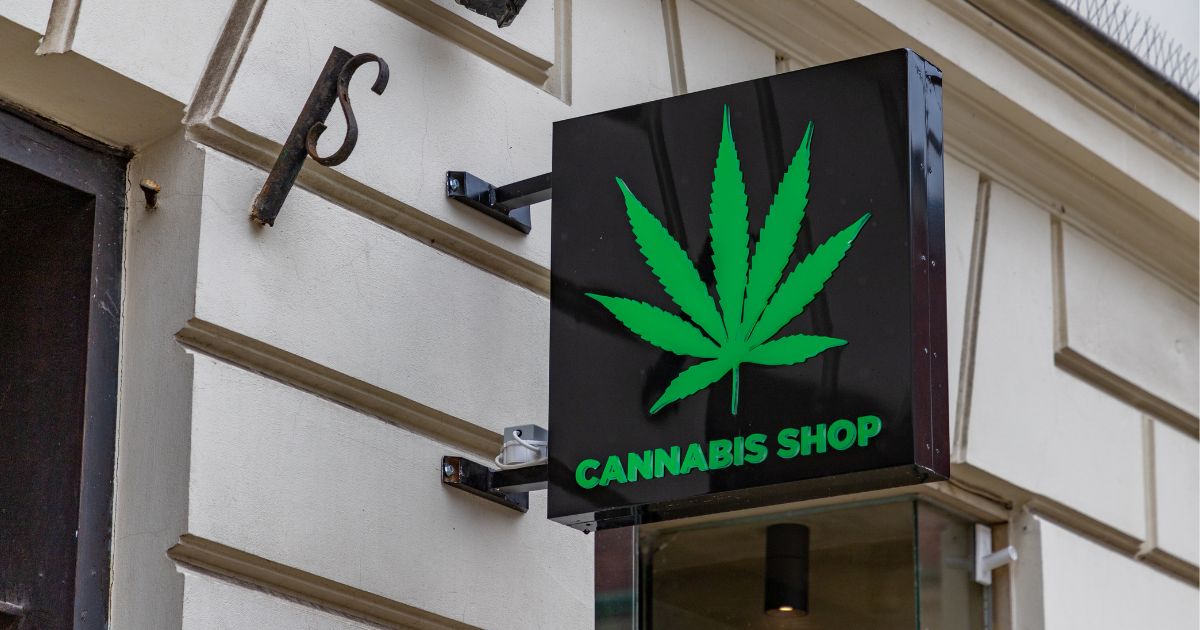



Launching a cannabis dispensary in today’s tightly regulated environment is both exciting and overwhelming. Entrepreneurs are drawn to the industry for its growth potential, but many quickly discover that opening a compliant, well-run dispensary requires far more preparation, money, patience and organization than expected.
The Overwhelming Start: Why Most New Operators Struggle Early
Starting a cannabis dispensary is not a simple or quick process. Many new operators become overwhelmed long before opening day, often due to:
- Lengthy licensing timelines
- Complicated application requirements
- Strict zoning and facility rules
- Buildout delays
- Inventory and technology setup challenges
- Hiring a compliant, trained workforce
The truth is that launching a dispensary involves hundreds of tasks – some technical, some regulatory, and many time-sensitive. Most operators underestimate the level of organization needed to keep everything on track.
A common misconception is that securing the license is the hardest part. In reality, the most demanding work happens after approval, when operators must build out the facility, hire and train staff, establish systems, and prepare for inspections.
Understanding Cannabis Dispensary Startup Costs
Startup costs vary significantly based on market type, location, and operational goals. Key factors that influence budget include:
- State regulatory requirements
- Real estate costs and zoning restrictions
- Security systems and surveillance
- Buildout and design standards
- Inventory purchasing
- Track-and-trace system integration
- Hiring and training expenses
- Equipment, Fixtures, and Furniture
In newer adult-use markets, costs often rise due to limited supply, higher wholesale pricing, and a shortage of experienced cannabis labor. In more established states, operators may benefit from predictable pricing and readily available resources, but compliance costs remain substantial regardless of state maturity.
Additionally, project and buildout delays add additional cost, along with construction contingencies. Operators should plan to add 20 to 30% more to their budget for build-out costs.
The Fantasy vs. Reality of Cannabis Retail
Many aspiring new operators enter the industry expecting quick profits or believing that retail cannabis is simple to manage, or cannabis is just like any other industry, or can fall into the trap of being hypnotized by shiny objects that can be dangled to entice. The reality is far more complex and it’s important to remove the rose-colored glasses to understand the reality of the cost, commitment, due-diligence and resilience required to be successful in running and operating cannabis operations.
Common misconceptions include:
- “Marketing is optional because cannabis sells itself.”
- “Once I open, the business will run smoothly.”
- “Compliance isn’t that difficult – it is a one-time task.”
- “Any retail experience will translate directly to cannabis retail.”
- “Technology setup isn’t that important.”
- “Pricing strategy can be copied from other markets.”
- “Customer experience isn’t important in cannabis retail.”
- “Once the license is approved, nothing else matters.”
- “I can ignore state or local rules that seem minor.”
In truth, the cannabis retail environment requires constant vigilance, detailed recordkeeping, strict adherence to regulations, and continual training to avoid violations. Operators who approach the industry with realistic expectations stand a much greater chance of long-term success.
New operators often enter the market with assumptions that can lead to operational mistakes, compliance issues, or financial setbacks. Understanding the reality behind these misconceptions is crucial for building a sustainable and compliant business.

Key Steps to Opening a Successful Cannabis Dispensary
1. Begin Planning 6 to 9 Months Before Opening
A successful launch requires early preparation, structured timelines, defined milestones and proactive decision-making to avoid delays and compliance issues. Being prepared in advance will support the ability to adapt and pivot when necessary.
2. Maintain Detailed Organization
Every phase, from license to launch must be managed with precision. Utilizing a project manager can prevent missed requirements, vital tracking and tasks and help keep the launch on track. Being organized will help manage the team and the overwhelm.
3. Treat Compliance as a Mandatory Investment
Compliance is the backbone of cannabis operations. Operators should budget for:
- Security and Surveillance
- Seed-To-Sale Tracking
- SOP Development & Material Changes
- Ongoing Employee Training
- Inventory Controls
- Ongoing Audits
- Product Safety, Storage and Serving
- License Incident Response (recalls or infractions)
- Reputational Risk
- A Compliance Program
Failing to plan for compliance costs can jeopardize the entire operation, the brand, employees, compliance health of the business and add up to thousands of dollars in fines.
4. Build a Competent, Well-Trained Team
A dispensary’s success relies heavily on its staff. Employees must understand regulations, follow SOPs, and maintain accurate documentation. Experienced team members safeguard the operation and help prevent costly violations. Employees are the “gatekeepers” of compliance. They are the last contact point to touch the product before it leaves control of the retail store.
5. Prepare Thoroughly for Local and State Inspections
Regulatory inspections determine whether the business can open on time. Inspectors review:
- Facility layout and security
- Camera systems
- Track-and-trace compliance
- Documentation and SOPs
- Employee credentials
- Inventory holding processes
- Being inspection-ready is essential for avoiding delays.
6. Use the Soft Opening as a Trial Run
The soft opening is a critical testing period where operators often uncover:
- Workflow inefficiencies
- Staffing gaps
- POS or track-and-trace issues
- Customer flow challenges
- Training needs
- IT and Tech issues (other equipment failures)
Addressing these issues early on sets the stage for a smoother grand opening and long-term operational stability. It lessens the overwhelm for the team and lessens the chances of big compliance mistakes that can be costly when opening the doors to a regulated business.
Sustaining Compliance in a Demanding Industry
Many operators enter the industry driven by passion, whether for the plant, the mission, or the opportunity to serve consumers and patients. The day-to-day demands of cannabis retail can be intense, making it essential to stay connected to the purpose behind the work. Clear goals and strong commitment help maintain motivation through the inevitable challenges, and ups and downs in the cannabis industry.
Opening a cannabis dispensary is a complex, highly regulated, and resource-intensive process. But with proper planning, operational structure, and commitment to compliance, operators can build successful, sustainable retail businesses.
The early work like planning, budgeting, compliance prep, and staffing creates the foundation for long-term success in a competitive and evolving market. By understanding the realities of dispensary operations and approaching the journey with realistic expectations, operators can navigate the challenges and build thriving, compliant cannabis retail stores.

Jenny Germano is a seasoned national cannabis compliance expert with 16+ years in regulated cannabis and deep roots in the Colorado market. She is the Founder of ICS Consulting and Host of the Podcast Under The Microscope with Jenny.