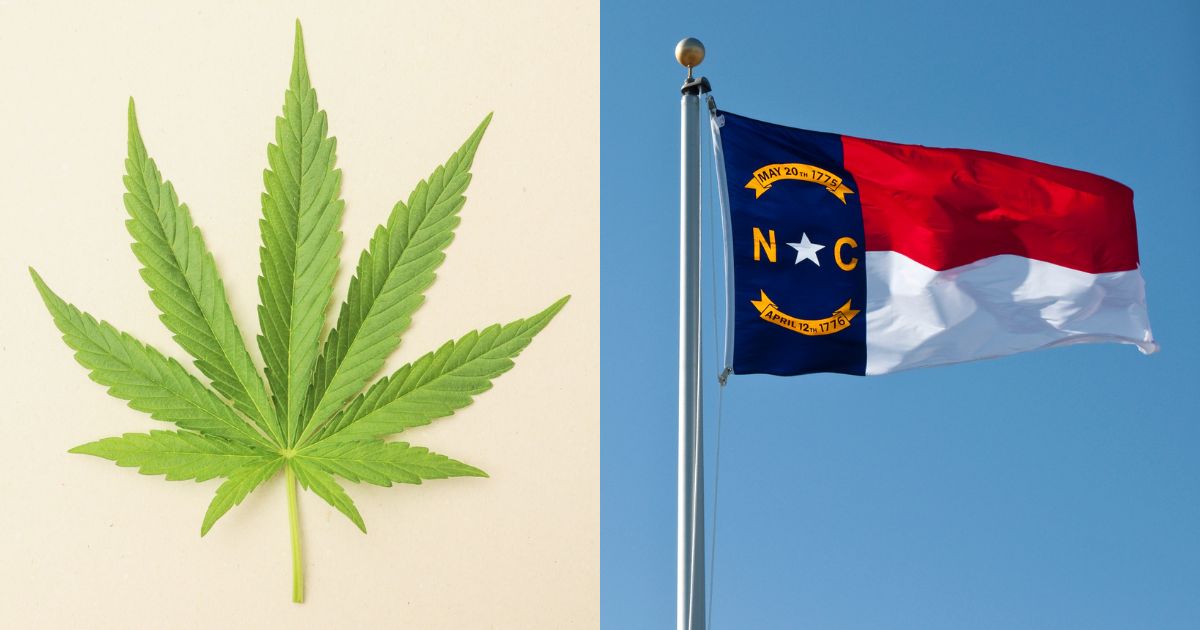
North Carolina is standing at a crossroads regarding its cannabis policies. Currently, the state operates under a confusing patchwork of laws that prohibit marijuana while allowing a booming, largely unchecked market for hemp-derived (THC) products.
This policy gap has created significant challenges for law enforcement, public health officials, and local communities. Without oversight, products containing intoxicating compounds are widely accessible to consumers of all ages.
To address these growing concerns, the North Carolina Advisory Council on Cannabis recently released an interim report. The council spent months evaluating market data, analyzing public safety risks, and reviewing regulatory models from other states. Their findings highlight the urgent need to establish clear rules for the manufacturing, testing, and sale of all intoxicating cannabinoid products.
Governor Josh Stein has strongly endorsed the council’s findings, calling on state lawmakers to establish a structured, adult-use regulatory framework.
The Current State of Cannabis in North Carolina
North Carolina is one of only ten states that lacks a regulated adult-use or medical marijuana program. Despite this prohibition, cannabis use remains widespread. The state currently has the second-largest illicit marijuana market in the United States, with consumers spending an estimated $3 billion on illegal marijuana in 2022 alone, according to their report.
Alongside the illicit market, a legal but highly unregulated industry for hemp-derived intoxicating products has flourished. Following the 2018 federal Farm Bill, products containing delta-8 THC and other hemp-derived compounds became widely available in vape shops, convenience stores, and online retailers across the state.
Because North Carolina has not enacted a regulatory framework for these specific products, they are sold without uniform standards. There are no mandatory age restrictions, standardized laboratory testing requirements, or clear labeling rules. This lack of oversight means consumers have no guaranteed way to verify the potency or purity of the products they purchase.
Governor Josh Stein’s Push for Regulation
Governor Josh Stein has been a vocal advocate for bringing order to the state’s chaotic cannabis landscape. After the Advisory Council on Cannabis approved its interim report, the Governor issued a statement urging the General Assembly to take immediate action. He emphasized that the current approach is failing to protect the public, particularly young people.
“I would like to thank the members of the Cannabis Council for their expertise, hard work, and thoughtful deliberation,” Governor Stein said. “Last year, I charged this group with developing a comprehensive solution to the unregulated sale of cannabis that is grounded in public health and public safety, with a special focus on keeping young people safe.”
He further highlighted that the council’s report provides lawmakers with the necessary guidance to establish a much safer environment. The Governor stressed that a well-regulated market, complete with strict oversight and clear enforcement authority, is the most practical solution for North Carolina.
“Our state’s unregulated cannabis market today is the Wild West and is crying for order,” Governor Stein added. “Let’s get this right. Let’s protect our kids and create a safe, legal, and well-regulated market for adults.”
Key Findings from the Interim Report
The interim report produced by the Advisory Council on Cannabis outlines several core recommendations for lawmakers. The council argues that simply maintaining the status quo or attempting a piecemeal ban will not resolve the underlying safety issues. Instead, they propose a complete overhaul of the state’s cannabis laws.
Here are the primary recommendations presented in the report:
- Molecule-Based Regulation: The state should regulate products based on their total THC content and intoxicating potential, rather than maintaining separate, conflicting regulatory structures for hemp and marijuana.
- Adult-Use Market Over Medical-Only: Establishing a strictly medical program could fuel the existing illicit market and impose massive administrative costs. An adult-use market with built-in medical protections provides a more effective way to oversee sales, capture revenue, and ensure consumer safety.
- Strict Age and Marketing Limits: Any regulatory framework must include strict age verification requirements, child-resistant packaging, and prohibitions on advertising that appeals to minors.
- Mandatory Testing Standards: Products must be rigorously tested for potency, heavy metals, pesticides, and mold before they can be sold to consumers.
- Revenue Generation for Public Health: Taxes and licensing fees from a regulated market should fund public safety initiatives, health education campaigns, and addiction treatment resources.
The report notes that a fully regulated adult-use market could generate between $500 million and $700 million in annual tax revenue for North Carolina.
The Risks of Falling Behind Neighboring States
The Advisory Council also highlighted the regional dynamics at play. Neighboring states are rapidly adjusting their own cannabis policies. Virginia recently passed legislation to establish a regulated adult-use retail market by 2027.
If surrounding jurisdictions adopt regulated programs while North Carolina maintains its current prohibition approach, the state could face complicated enforcement challenges regarding cross-border commerce.
A regulated market would allow North Carolina to set its own strict standards, displace the massive illicit market, and keep revenue within state borders. By creating a unified regulatory system, the state can ensure that any intoxicating products sold locally meet safety guidelines.
Preparing for the Future of Cannabis in North Carolina
The release of the interim report marks a significant milestone in North Carolina’s approach to cannabis policy. Consequently, with Governor Josh Stein actively calling for a structured, adult-use program, the pressure is now on the General Assembly to consider these recommendations. Ultimately, bringing order to the current market will require careful planning, robust enforcement mechanisms, and a steadfast commitment to consumer safety.
To stay informed on this evolving issue, residents can review the full draft of the interim report available through the North Carolina Department of Health and Human Services. Engaging with local representatives and participating in the public comment process will also help shape the final regulatory framework expected later this year.
Frequently Asked Questions (FAQ)
The council is a governor-appointed group comprised of public health experts, law enforcement officials, lawmakers, and industry stakeholders. Governor Josh Stein established the group to study cannabis policy and recommend comprehensive solutions to regulate the state’s intoxicating cannabinoid market.
No. Marijuana remains illegal for both recreational and medical use under North Carolina state law. Possession of small amounts (half an ounce or less) is generally treated as a misdemeanor. However, the Eastern Band of Cherokee Indians operates a legal medical marijuana dispensary on sovereign tribal land within the state.
The Advisory Council on Cannabis is scheduled to release its final, comprehensive report in December 2026. This final document will include detailed regulatory frameworks, revenue projections, and specific legislative proposals.
The interim report strongly recommends implementing strict minimum age requirements for all THC purchases. It also advises the state to mandate child-resistant packaging, enforce standardized warning labels, and ban any marketing tactics or product shapes that might appeal to youth.
- PA Banking and Insurance Bill Clears House, Receives Governor’s Signature
- New North Carolina Cannabis Legalization Bill Filed in House of Representatives
- North Carolina Makes Another Push for Medical Marijuana Legalization with HB1011
- The Cannabis Trail Blazers Series: The Origins of OG Kush – Part I
- North Carolina Explores Psychedelic Medicine for Mental Health with New Task Force