As multiple states prepare to roll out legal psychedelic-assisted therapy programs to join Colorado and Oregon’s flagship regulated markets, a consortium of operators in the unregulated psilocybin space have come together to help usher in a new era of personalized psychedelic medicine. As dozens of new cultivars and hybrids have entered circulation, many operators argue that measuring mushrooms solely by dry weight is becoming increasingly inadequate.
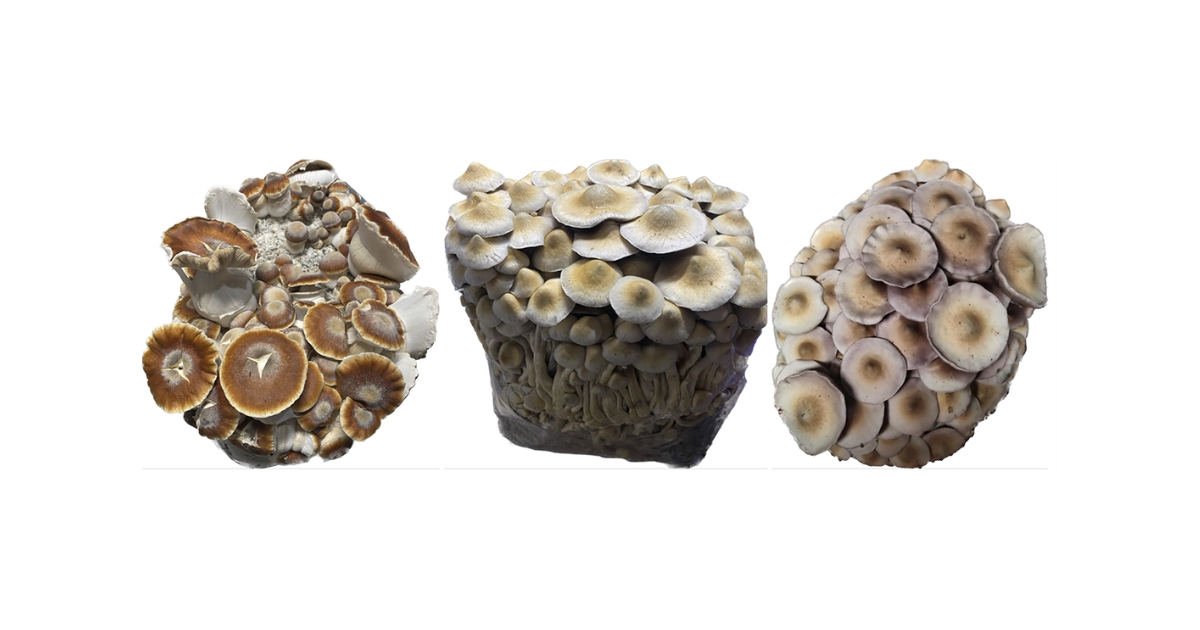
For example, 3.5 grams of the standard ‘Golden Teacher’ variety of psilocybin cubensis mushroom is a completely different potency level than 3.5 grams of ‘TTBVI’ or True Albino Teacher mushrooms.
An emerging method for more accurately reporting potency has come in the form of ‘Psilocin Equivalent’ reporting, meaning that the dose is labeled based on Psilocin content rather than the more traditional route of quantifying the dry weight of the psilocybin-containing mushrooms.
Why Dry Weight Alone No Longer Cuts It
Kevin Sullivan of category leading microdosing research outfit Serenite Labs has been one of the activists at the vanguard of this push to personalize people’s mushroom experiences based on feedback and data from a growing pool of individuals.
“We learned that if you compare three mushrooms that are exactly the same psilocybin content, people report wildly different experiences. And that is a mystery and riddle that I feel like we need to understand – there are secondary metabolites and other naturally occurring chemicals in mushrooms that contribute to the psychedelic experience, not just psilocybin,” says Sullivan.
“People come to this mushroom experience wanting different things; If you’re going out to a concert, you might want something with a ton of energy. But if you’re going to a dinner party, you might want something more relaxed.
For every strain in our catalogue, we’re lab testing, collecting the lab results, and then overlaying the consumer’s experiences on top of that. Patterns are beginning to emerge and our goal is to compile enough information that provide the research institutions a lead on how certain effect profiles are being achieved. The data we’re producing is going to show us what profiles contribute to a softer experience, a more introspective experience, a more therapeutic experience, etc.”
Open-Source Science: How Citizen Mycology Is Driving the Data
Like much of the mushroom space, the evolving standards underpinning the push towards customizable and personalized microdosing experiences are being engineered in a decentralized community-based format which pools and shares open source knowledge and data rather than restricting it behind a paywall or patent like traditional pharmaceutical research.
Advocates maintain that decentralized data collection allows hypotheses to emerge more quickly than traditional research, substituting real world experience and feedback for the controls found in clinical studies. Critics note that mushroom strain names themselves are poorly standardized and often genetically inconsistent, while scientists caution that controlled evidence linking specific cultivars to distinct subjective effect profiles remains limited.
Still, the open source and decentralized nature of citizen mycology continues to deliver real world data that has helped to inform legislative policy in multiple states across the U.S. thanks to the grassroots advocacy of organizations like Decriminalize Nature.
“You’ve got three or four different things as well as your own biological chemistry… everybody’s going to have different psilocybin tolerance sizes as well,” says Ryan Spooner of industry leading mushroom spore and mycology supplies vendor Full Canopy Genetics.
“Being able to personalize the experience could look like helping someone understand that their ideal microdose is a .05 gram dose of a particular strain versus a more therapeutic dose level of .7 grams. it’s on us to be able to educate the public, but it’s also on the individual too, as they go through their journey and figure out, ‘All right, this variety or this potency is good for me”
The Role of Home Cultivators in Scaling Personalized Dosing
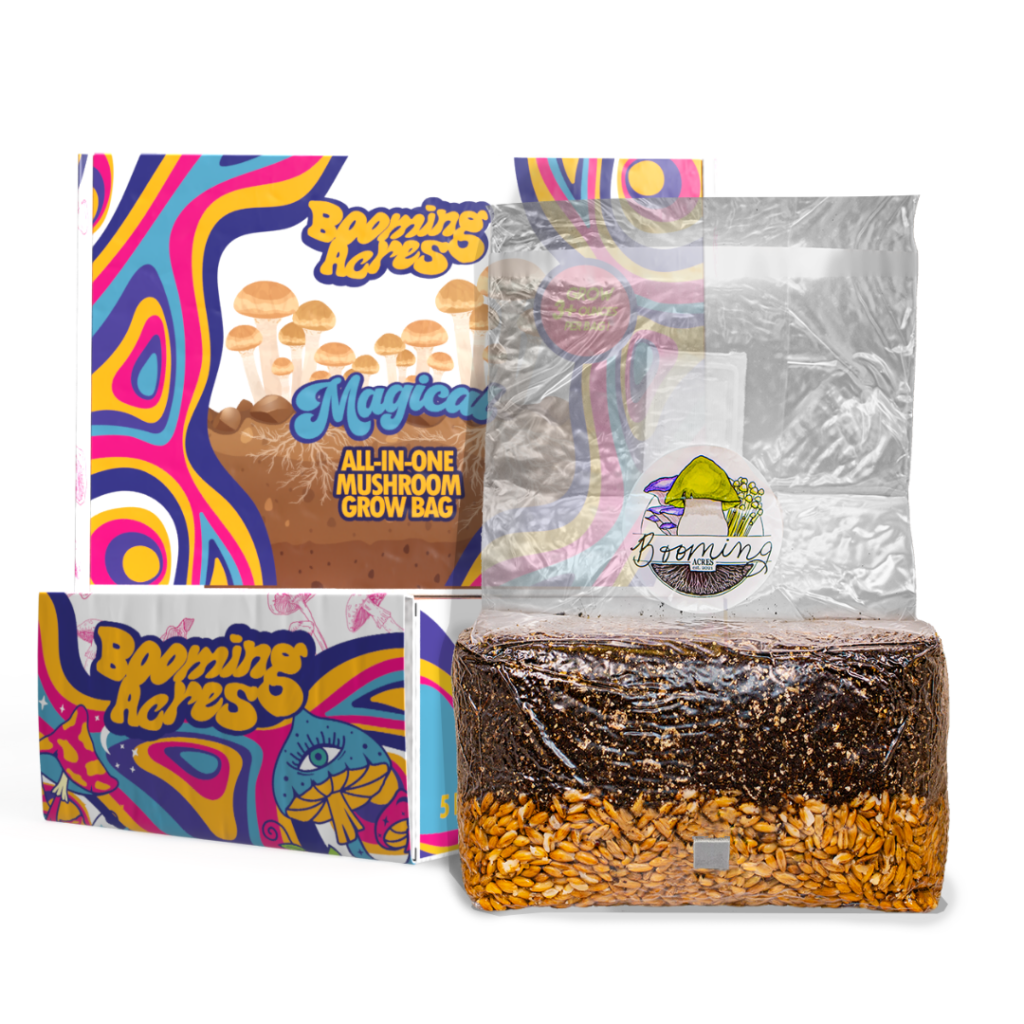
Personalized dosing depends on large numbers of cultivators generating reproducible material and sharing cultivation data. A big push driving the evolution of personalized mushroom dosing standards comes thanks to the growing number of citizen mycologists and home cultivators that now have unprecedented access to turnkey mushroom growing supplies and materials. Companies like Booming Acres have found tremendous success focusing on serving the rapidly growth of independent mushroom cultivators and researchers so that they in turn can help accumulate feedback and data that can be leveraged towards efforts to personalize mushroom experiences.
“The Booming Acres mushroom grow kits are super easy for beginners to use. A lot of people really like them… They’re good for people that are just getting into the hobby, people that haven’t really grown before,” says Booming Acres founder Howard Novak.
“A lot of people are interested in mushrooms and they don’t know where to start, and those all-in-one bags just make it where it’s like, ‘Okay, so I buy a bag, I buy the spores, put them together, and a couple weeks later, I have mushrooms.’ It really can’t get easier. We tell people it’s easier than growing a houseplant.”
A Grassroots Movement, Not a Top-Down Revolution
The push to personalize psilocybin mushroom experiences for people is notable for many reasons, perhaps mostly so because this campaign is being orchestrated from the grassroots level up rather than under the direction of institutions or regulators. Whether these reported differences in personalized mushroom protocols and customizable effect profiles ultimately prove to be driven by genetics, secondary metabolites, cultivation methods, or individual biology remains an open question.
But for a growing network of cultivators, laboratories, and citizen scientists, the era of treating all psilocybin mushrooms as interchangeable is already be coming to an end, and research into the model of personalized mushroom experiences is well underway.
FAQ
Personalized mushroom medicine refers to the practice of tailoring psilocybin mushroom dosing to an individual’s specific needs, biology, and desired outcomes—rather than applying a one-size-fits-all measurement based on dry weight alone.
Different mushroom strains contain varying levels of psilocybin and other active compounds, meaning the same dry weight of two different strains can produce vastly different experiences. Factors like secondary metabolites and individual biology also play a significant role in the overall effect.
Psilocin Equivalent reporting is an emerging dosing method that labels mushroom products based on their actual psilocin content rather than their dry weight. This approach provides a more accurate and reliable indication of potency across different strains.
Beyond psilocybin content, secondary metabolites and other naturally occurring chemical compounds within mushrooms are believed to influence the nature of the psychedelic experience. Researchers are actively working to understand which specific compounds contribute to effect profiles such as energizing, relaxing, or therapeutic responses.
Citizen mycologists and home cultivators are on the front lines of generating reproducible mushroom material and sharing cultivation data. This grassroots data collection allows researchers and advocacy organizations to identify patterns and build a foundation for personalized dosing standards—often faster than traditional clinical studies allow.
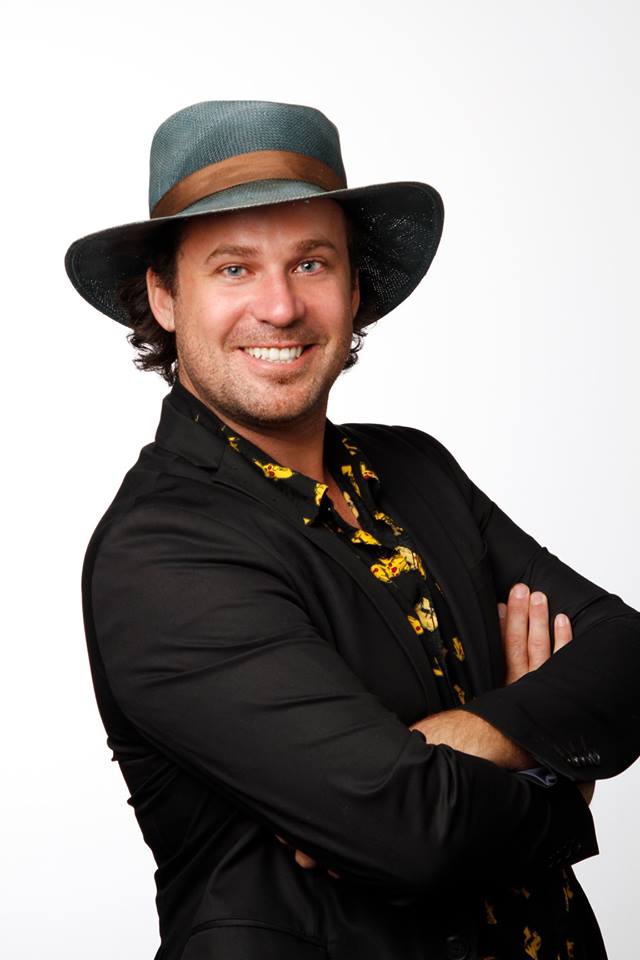
Dennis Walker is a multimedia producer and journalist covering global mushroom entrepreneurship and culture. As the host of Mycopreneur Podcast, he has interviewed over 250 mushroom entrepreneurs from 60 + countries and his work has been featured in Rolling Stone, Forbes, Wired, Vice, The Los Angeles Times, High Times, The Independent, Austin Chronicle, and many other international outlets. As a journalist, he has written for High Times, GreenState, Lucid News, Double Blind Magazine, Psychedelic Alpha, Honeysuckle Magazine, and numerous other publications. Walker regularly speaks at academic and industry conferences on psychedelics and mushrooms around the world such as SXSW, Breaking Convention, Psychedelic Science, Harvard Law School and many others.