Key Takeaways
- The National Restaurant Association urges Congress to delay the federal ban on hemp-derived THC beverages set for November 12, while seeking a regulatory framework.
- They request a two-year delay to help restaurant operators adjust, along with standards for age verification, quality control, and labeling.
- Hemp-derived THC beverages are low-dose drinks offering mild effects, appealing to consumers seeking alcohol-free social experiences.
- Banning these beverages could destroy a $1.6 billion market vital for restaurants’ survival amidst thin profit margins.
- The Association believes a regulatory framework can meet consumer demand and allow restaurants to operate safely and responsibly.
The National Restaurant Association is urging Congress to delay the federal ban on hemp-derived THC beverages set to take effect November 12 and replace it with a national regulatory framework. The group wants a two-year delay plus baseline rules on age verification, labeling, and dosing to protect a $1.6 billion market for restaurant operators.
A clock is ticking on one of the fastest-growing categories in the beverage business. Unless Congress acts, the hemp-derived THC drinks now sold in restaurants across America will become federally illegal beginning in November.
On Wednesday, the Association sent a letter to Congressional leadership pushing for a delay on the ban and a clear set of national rules to govern these products. Their argument is simple. Banning the drinks does not erase consumer demand. It just removes the chance for responsible operators to meet that demand safely.
What is the National Restaurant Association asking Congress to do?
The Association laid out two main requests in its letter to House and Senate leaders.
First, it wants a two-year delay on the ban. This buys time for restaurant operators to plan, especially multi-unit and franchised brands trying to keep up with different rules in different states. It also keeps the existing state-regulated market running while lawmakers work on something more permanent.
Second, it wants Congress to build a durable national regulatory framework. According to the Association, that framework should set baseline standards including:
- Age verification for buyers
- Production and quality assurances
- Marketing and labeling requirements
- Dosing disclosures
- Workable impairment standards
The group also wants states and local governments to keep the power to tailor rules for their own markets. In other words, regulate these drinks the way alcohol is regulated, with a federal floor and room for local control on top.
“Consumers have made it clear that they want hemp-derived THC beverages,” said Sean Kennedy, Chief Advocacy Officer of the National Restaurant Association. “The only question is whether Washington will create a way they can enjoy them safely or if they will allow a thriving market supporting small business owners to disappear because they wouldn’t create a sensible regulatory framework.”
What are Hemp-Derived THC beverages?
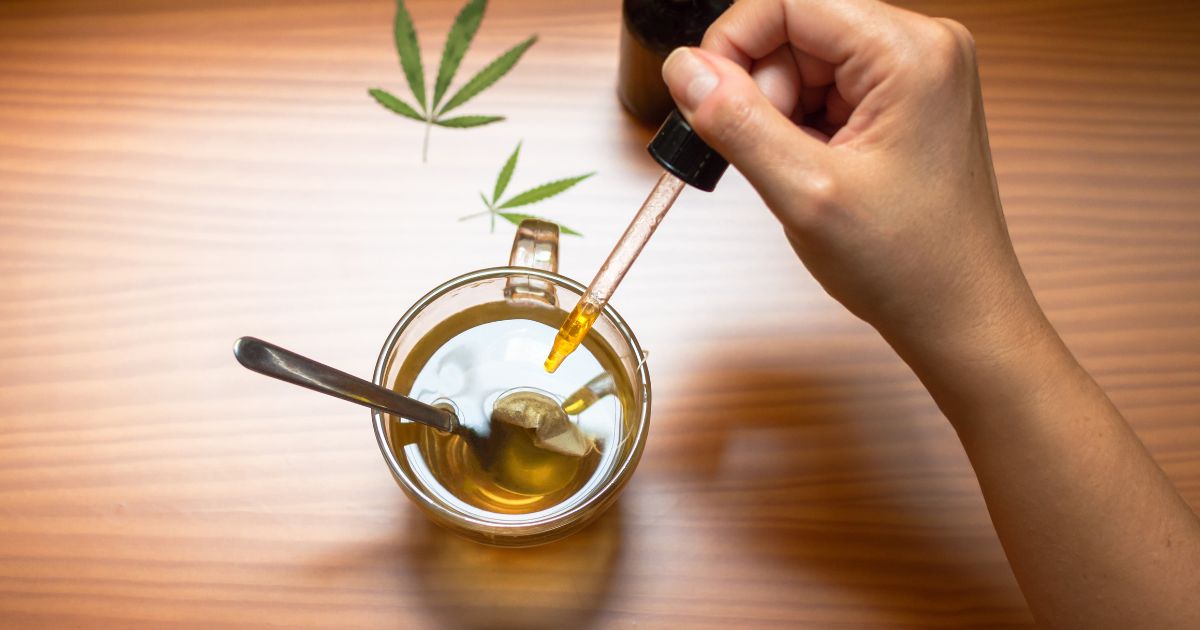
Low-dose hemp-derived THC beverages are non-alcohol drinks made with small, precise amounts of THC pulled from legal hemp. They deliver a mild, relaxed feeling, giving people a way to socialize without reaching for a drink.
These products exist thanks to the 2018 Farm Bill, which legalized hemp containing no more than 0.3% delta-9 THC on a dry-weight basis. That law, signed by President Trump during his first term, opened the door for an entire product category to take off.
Why Does the November Ban Exist in the First Place?
Late last year, President Trump signed new legislation that quietly redefined hemp. Under the updated definition, only products with no more than 0.4 milligrams of total THC per container will stay federally legal after November 12. That tiny threshold effectively wipes out most of the hemp THC drinks currently on the market.
The provision was tucked into the bill that ended the longest government shutdown in U.S. history. Many in the industry simply call it the hemp ban, and its reach goes well beyond beverages, touching a wide swath of popular hemp products.
Why Do Hemp-Derived THC Beverages Matter for Restaurants?
This comes down to dollars and survival. Restaurants run on painfully thin margins. According to a press release from the Association, In 2024, the median full-service restaurant’s pre-tax margin dropped to 2.8%, down from 4% in 2019. Even worse, 42% of operators reported no profit at all last year.
Against that backdrop, a new and legal product category is a lifeline. Hemp THC drinks give operators a different revenue stream and a way to stay competitive. For restaurants already selling them, losing that revenue overnight could be the difference between turning a profit and going under.
The demand is real, too. Association research shows that 5% of restaurants serving alcohol already offer these beverages, and 26% of all restaurants want to offer them under a clear regulatory framework. Add it all up, and you get a potential market worth $1.6 billion a year.
There’s a shift driving this. “Consumer demand for THC beverages is driven by a shift in drinking habits, particularly among younger diners whose lifestyles are diverging from traditional beverage alcohol,” Kennedy said. Younger guests increasingly want a social experience without the alcohol, and restaurants want the ability to serve them.
How Would a Regulatory Framework Benefit Consumers and Operators?
The Association makes a practical case. Restaurants already know how to sell products responsibly. Operators who serve alcohol can easily adapt their existing training programs and impairment management practices for hemp THC drinks.
Their proposed framework would let restaurants keep operations stable, meet changing tastes, maintain safe service environments, and keep contributing to local jobs and economies. A sudden ban does the opposite. It disrupts businesses, pushes a legal product into the shadows, and leaves consumer demand unmet by trustworthy sellers.
The Clock is Running Out
The path forward isn’t settled, but the pressure is clearly mounting. Between the restaurant industry, sympathetic lawmakers, and even the White House, there’s real appetite to keep these products legal under sensible rules rather than letting a blanket ban take hold.
“Time is short,” Kennedy said. “We urge Congress to act now: delay implementation and commit to the deliberate, safety-focused regulatory process which this emerging market deserves.”
For restaurant owners, hemp brands, and consumers who’ve embraced these drinks, the next few months matter. If you operate in this space, now is the time to track the legislation, talk to your state restaurant association, and make your voice heard before November 12 arrives. We’ll keep following this story as it develops, so stay tuned to the Friday Sesh for the latest.
Frequently Asked Questions
The ban takes effect November 12, 2026. After that date, only hemp products with no more than 0.4 milligrams of total THC per container will remain federally legal, which removes most hemp THC drinks from the legal market.
The Association is asking Congress for a two-year delay on the ban and a national regulatory framework. That framework would include age verification, quality control, labeling rules, dosing disclosures, and impairment standards, while letting states set their own market-specific rules.
The Association estimates a potential market of $1.6 billion annually. Currently, 5% of restaurants that serve alcohol offer these drinks, and 26% of all restaurants say they would be interested in offering them if a clear regulatory framework were in place.
Yes. Rep. Beth Van Duyne (R-TX) is circulating the Hemp-Derived Beverage Regulatory Clarity Act, which would allow adults over 21 to buy hemp THC drinks with up to 5 milligrams of delta-9 THC per serving and apply a federal tax of 10 cents per milligram.
Restaurants face thin margins, with the median full-service pre-tax margin at 2.8% in 2024. Hemp THC beverages offer a new revenue stream and appeal to younger diners who want a social drinking experience without alcohol.
- Restaurant Spotlight: Trio in Palm Springs
- How a Tiny Legal Clause Sparked a Hemp-Derived THC Beverage Boom in Minnesota
- Restaurant Spotlight: 1811 in Berlin – Timeless Taste in Charlottenburg
- Is Target’s New Huge Hemp THC Drink Expansion A Race Against Time?
- Target’s THC Drinks: How Hemp-Derived Beverages Quietly Cracked the Mainstream