


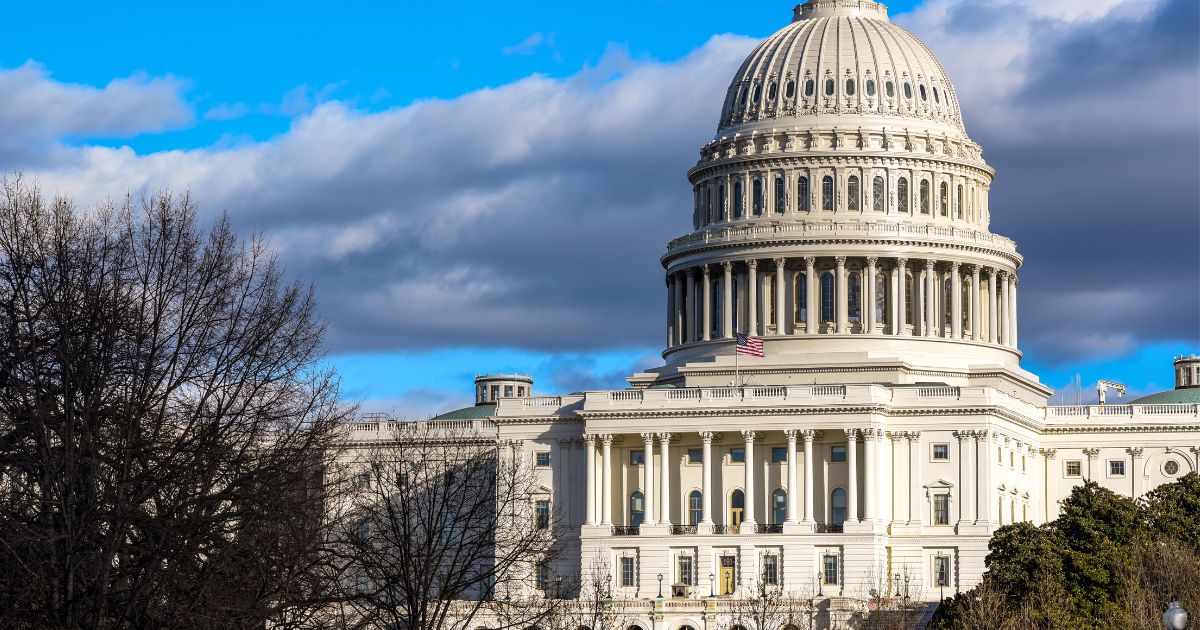



The U.S. Senate has given final approval to a major spending package that continues to shield state medical marijuana programs from federal interference, rejecting a last-ditch effort by GOP lawmakers to block the federal rescheduling of cannabis. On Thursday, January 15, the Senate voted 82-15 to pass H.R. 6938, a “minibus” appropriations bill funding the Departments of Commerce and Justice for the 2026 fiscal year. The legislation now heads to President Donald Trump’s desk for his signature.
While the bill secures critical protections for the industry, its passage is perhaps most notable for what it doesn’t include: a controversial provision that would have defunded the move to reclassify marijuana under federal law.
Protecting State Medical Programs
A central component of H.R. 6938 is the renewal of a long-standing rider that prohibits the Department of Justice (DOJ) from using federal funds to interfere with the implementation of state medical marijuana laws.
Often referred to as the Rohrabacher-Farr amendment (currently Section 531), this rider has been renewed annually since 2014. It effectively ties the hands of federal prosecutors, preventing them from cracking down on state-legal medical cannabis operators and patients who are in compliance with local laws.
The provision explicitly lists the states and territories where these protections apply. However, in a notable exclusion, Nebraska was left off the list of protected jurisdictions in this year’s text.
The bill also maintains Section 530, which protects state industrial hemp research programs authorized under the 2014 Farm Bill. This provision ensures the government cannot use federal funds to block legitimate research efforts.
The Failed Attempt to Block Rescheduling
The road to passage involved a significant legislative tug-of-war regarding the federal rescheduling of cannabis.
Earlier versions of H.R. 6938 introduced in the House included “Section 607,” a restrictive provision designed to block the DOJ and Drug Enforcement Administration (DEA) from using any funds to reschedule marijuana or remove it from the Controlled Substances Act. This language aimed to halt the administrative process of moving cannabis from Schedule I to Schedule III.
However, that blockade was stripped from the final bicameral agreement before it reached the Senate floor.
In a final attempt to restore the ban, Republican Senators Ted Budd (R-NC) and James Lankford (R-OK) filed an amendment last week seeking to prohibit the use of funds for rescheduling.
The senators have been vocal critics of the administration’s shift on cannabis policy, arguing that rescheduling would negatively impact public health and safety.
Ultimately, lawmakers did not consider their amendment on the floor, and the final bill passed without the anti-rescheduling language. This omission, therefore, effectively clears the budgetary path for the DOJ to proceed with the rescheduling process, aligning with President Trump’s recent directive.
H. R. 6938 Aligning with Executive Action
The exclusion of the anti-rescheduling rider comes just weeks after President Trump signed an executive order on December 18, 2025, directing Attorney General Pam Bondi to “expedite completion” of the process to move marijuana to Schedule III.
By passing a spending bill that does not defund this effort, Congress has implicitly declined to intervene in the President’s executive action.
If signed into law as expected, the bill ensures the status quo for medical marijuana protections while leaving the door open for significant federal reform. For the cannabis industry, a move to Schedule III would likely eliminate the burden of Section 280E of the Internal Revenue Code, allowing businesses to deduct standard business expenses and significantly improving their financial viability.
- House Passes Spending Bill Protecting State-Level Medical Cannabis, Drops Federal Rescheduling Blockade
- How to Support H.R. 3884 – The Marijuana Opportunity Reinvestment and Expungement Act of 2019
- GOP Senators File Amendment to Defund Marijuana Rescheduling
- D.C. Reform Bill Changes The Look of Medical Program
- House Committee Attempts to Block Marijuana Rescheduling in FY26 Bill