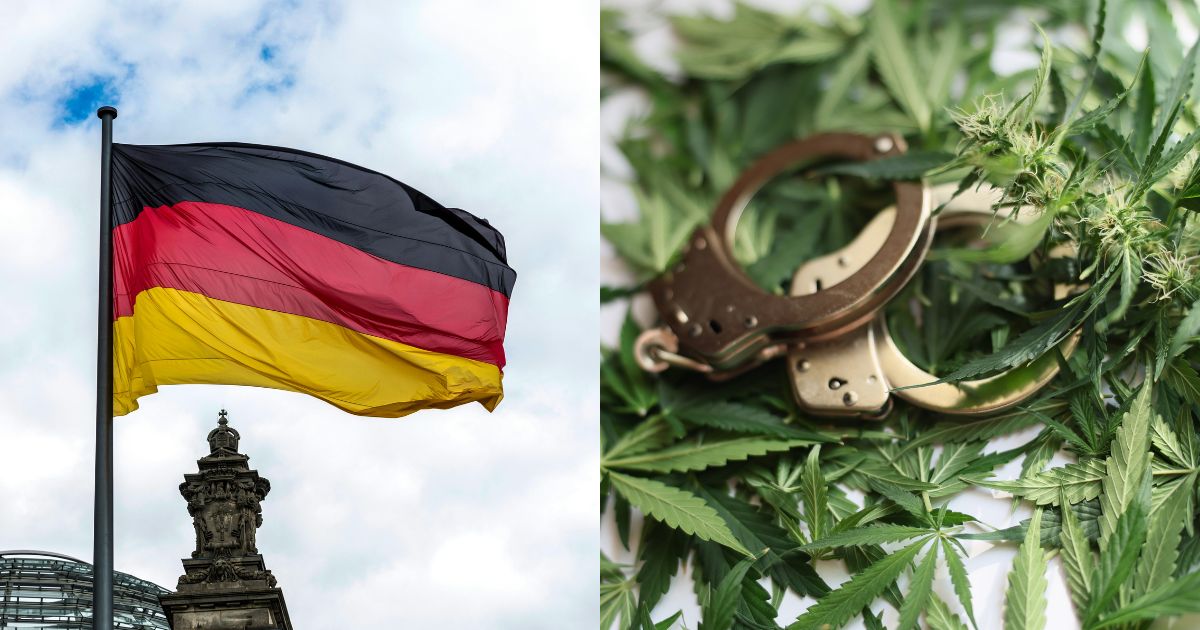
When German lawmakers passed the Konsumcannabisgesetz (CanG) back in April 2024, critics warned of impending chaos. Politicians and commentators expressed fears that allowing adults to possess and cultivate marijuana would lead to a massive spike in drug abuse, overwhelmed hospitals, and dangerous roads. Two years later, comprehensive data from researchers and law enforcement agencies tells a completely different story, about cannabis legalization in Germany.
Instead of a public health crisis, Germany is experiencing one of the most successful drug policy modernizations in European history. Recent evaluations, including reports from the German Institute for Economic Research (DIW) and the EKOCAN research alliance, reveal that the new laws have accomplished exactly what advocates promised. The country has seen a dramatic reduction in cannabis-related offenses, while overall consumption rates remain remarkably stable.
By removing harsh penalties for everyday consumers, Germany is proving that sensible cannabis policy benefits everyone.
A Historic Drop in Cannabis-Related Offenses
The most undeniable benefit of Germany’s cannabis reform is the massive reduction in criminal offenses. For decades, prohibition policies forced police to spend valuable time and taxpayer money arresting citizens for simple possession. The implementation of CanG changed this dynamic overnight, according to the Tagesspiegel.
According to police crime statistics analyzed by the DIW, cannabis-related offenses plummeted by roughly 60 to 80 percent following partial legalization. In 2023, law enforcement recorded nearly 174,000 cannabis cases.
By 2024, that number dropped to just under 62,000. Because consumption-related charges were removed from the criminal code, these numbers represent a monumental shift in how the justice system operates.
This drop in cannabis arrests has had a ripple effect across the entire country. Every criminal case that no longer occurs saves public revenue and frees up court schedules. More importantly, it allows law enforcement to pivot their attention toward actual public safety threats.
For example, while marijuana offenses dropped, police data shows a steady rise in crimes related to harder substances like cocaine and crack, which reached approximately 29,000 cases in 2024. Police can now dedicate their limited resources to addressing these more dangerous illicit markets rather than punishing people for personal cannabis use.
Stable Consumption and Public Health Outcomes
A major argument against legalization was the assumption that it would encourage rampant marijuana abuse. However, multiple data sources completely contradict these fears. Population surveys and objective wastewater measurements in eleven major German cities show no systematic surge in consumption.
Adult usage has simply followed a long-term, gradual upward trend that began back in 2012. Currently, the overall cannabis consumption rate in Germany sits at 9.8 percent. The proportion of people reporting “heavy consumption” barely moved, shifting from 1.5 percent in 2021 to just 1.6 percent in 2024.
Furthermore, youth cannabis consumption has actually been declining since 2019, and the new legal framework has not interrupted this positive downward trajectory. Reports of cannabis poisonings among children remain extremely rare.
Road safety indicators also show excellent results. Despite early concerns, traffic fatalities, injuries, and incidents of driving under the influence of cannabis have shown no significant changes. The data clearly demonstrates that German adults are managing their new legal rights responsibly.
Social and Economic Benefits for Communities
Beyond the direct criminal justice statistics, the societal benefits of cannabis legalization are transforming lives. Under the old prohibition model, a simple possession charge often acted as a “scarlet letter.” A minor criminal record could ruin a person’s chances of securing housing, finding employment, or receiving student financial assistance. Decriminalization has effectively ended this cycle of systemic harm for millions of adults.
Consumers also have safe, affordable access to their preferred products. Unregulated street prices have held steady at around €10 per gram for cannabis flowers, which matches the average cost of medicinal cannabis and legally home-grown plants.
The law empowers adults to take control of their own supply. Under CanG, individuals over the age of 18 can legally possess up to 25 grams of cannabis and cultivate up to three plants at home.
Additionally, the establishment of licensed, non-profit cannabis clubs provides a community-focused environment where up to 500 members can safely source quality-controlled marijuana.
While these clubs currently supply a small fraction of the total market demand, they represent a crucial step toward displacing illegal street sales and prioritizing public health over black-market profits.
Building a Safer, Evidence-Based Future
Germany’s decision to modernize its drug policy serves as a powerful case study for the rest of the world. The early data definitively shows that replacing prohibition with regulated, sensible access drastically reduces crime, protects marginalized communities, and keeps public health intact.
By relying on facts instead of fear, policymakers have created a framework that respects personal freedom while maintaining public safety. As we wait for further evaluation reports in the coming years, the initial success of the CanG legislation is undeniable.
Frequently Asked Questions (FAQ)
Germany officially implemented the Konsumcannabisgesetz (CanG) on April 1, 2024. This landmark legislation decriminalized the personal possession and home cultivation of cannabis for adults.
Adults aged 18 and older can legally possess up to 25 grams of cannabis for personal use in public spaces. In private residences, adults are permitted to keep up to 50 grams of dried cannabis.
The law allows adults to cultivate up to three living cannabis plants per person in their private residence. The harvested cannabis from these plants is strictly for personal consumption and cannot be sold or shared with others.
No. Comprehensive surveys and wastewater analyses show that consumption has remained stable. The slight increase in adult usage is part of a gradual trend observed since 2012, and youth consumption has continued to decline.
Cannabis clubs are highly regulated, non-profit associations that can have up to 500 members. These clubs cultivate cannabis collectively and distribute it to members. Strict rules apply, including THC limits for young adults, neutral packaging with health warnings, and a ban on on-site consumption.
- Exciting Times For Cannabis Consumers And Patients In Germany
- Germany Holds Hearings to Hash Out Next Steps Towards Legalization
- Germany’s First Report on Cannabis Legalization Finds Opponents’ Fears Unfounded
- German Health Minister Expects Cannabis Legalization This Spring
- Organigram’s €250 Million Acquisition of Sanity Group Is a Defining Moment for Germany’s Cannabis Industry