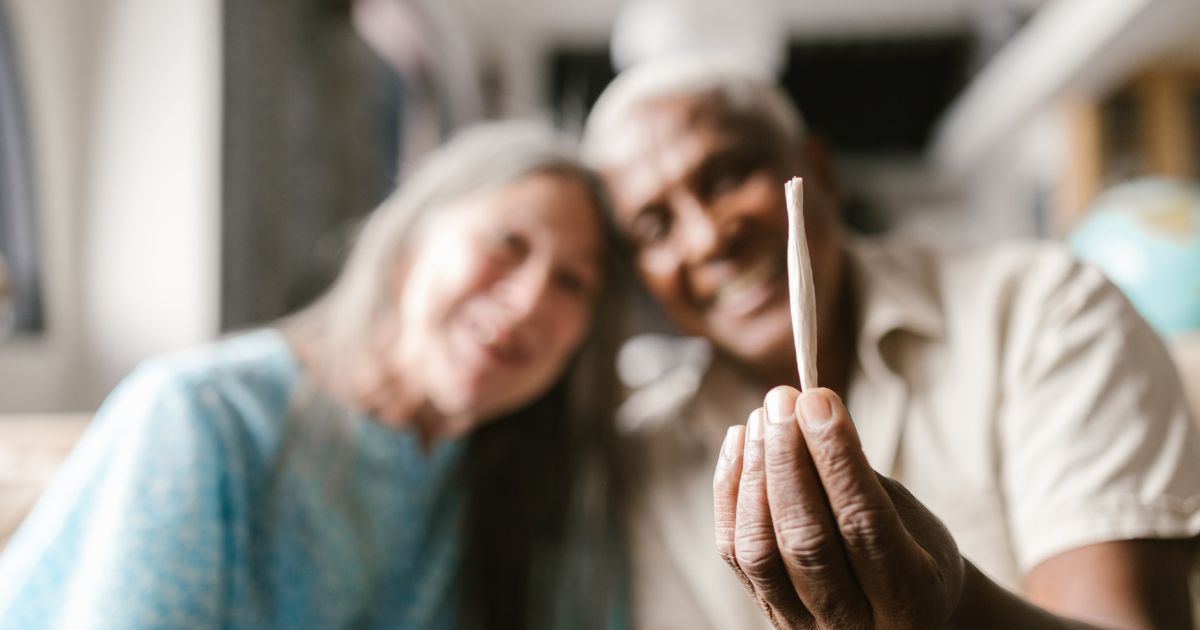
Older adults are officially the fastest-growing demographic of cannabis consumers in the United States. Walk into any dispensary right now, and you are just as likely to see a retiree picking up gummies as you are a younger adult grabbing flower.
A recent community-based study published in JAMA Network, from the University of Colorado Boulder and the University of Utah sheds some serious light on this trend. Researchers spoke directly to older adults to find out why they are increasingly reaching for edible cannabis products. The results paint a fascinating picture of a demographic that is tired of traditional pharmaceuticals and eager for a better quality of life.
If you or a loved one are curious about plant-based alternatives for age-related ailments, understanding the motivations behind this trend is incredibly helpful. We are going to explore the specific health issues driving older adults to the dispensary, the types of products they actually prefer, and what this means for seniors nationwide looking for relief.
The Move Away from Traditional Pharmaceuticals
For decades, the standard medical approach to aging involved a heavy rotation of prescription medications. But the recent study highlights a growing reluctance among seniors to rely solely on these traditional pharmaceutical treatments. Many participants expressed deep concerns about the adverse effects, long-term health risks, and potential dependency associated with their daily pill regimens.
Instead of accepting side effects like cognitive decline or stomach issues as an unavoidable part of getting older, seniors are actively seeking safer alternatives. Cannabis is stepping in to fill that void. Participants in the study often described cannabis as a last resort after exhausting other pharmacologic and nonpharmacologic options. When steroid injections, physical therapy, and over-the-counter pain relievers stop working, older adults are finding new hope in plant medicine.
This transition reflects a proactive approach to health. Seniors are listening to personal networks, attending medical talks, and reading media reports about the therapeutic benefits of cannabis. They want relief without the heavy hangover or fogginess that often accompanies prescription sleep aids or heavy painkillers.
Targeting Sleep, Pain, and Mental Health
When we look at the specific reasons older adults are turning to cannabis, three major health categories dominate the conversation. Sleep disturbances take the top spot. According to the research, nearly 57 percent of the older adults interviewed wanted to use cannabis specifically to get a better night’s rest. Traditional sleep aids often leave users feeling groggy the next day, making a natural alternative highly appealing for maintaining morning energy.
Pain management is the second massive driver. Almost half of the participants sought cannabis to help alleviate chronic pain, joint aches, and arthritis. For many, the goal is simply to maintain an active lifestyle without relying on nonsteroidal anti-inflammatory drugs that can cause bleeding ulcers or other severe gastrointestinal issues over time.
Mental health is also a significant factor, with roughly a quarter of participants looking to cannabis for help with anxiety and depression. Aging brings a unique set of emotional and psychological challenges, and some older adults prefer to avoid traditional psychiatric medications. They are finding that certain cannabinoid profiles offer a gentle mood lift and a sense of calm that improves their daily social interactions and overall well-being.
Choosing The Right Cannabinoid Profile
Navigating a dispensary menu can be overwhelming, especially with the variety of products available today. The study revealed clear preferences among older adults when it comes to selecting edible cannabis products. Seniors are highly intentional about the cannabinoid profiles they choose, weighing the anticipated therapeutic benefits against their concerns about impairment.
Here is a breakdown of the product preferences reported by the older adults in the study:
- Combination products (THC and CBD): The most popular choice, selected by 57.5 percent of participants.
- CBD-dominant products: The second choice, selected by 28.7 percent of participants who wanted to avoid intoxication.
- THC-dominant products: The least popular option, chosen by only 13.8 percent of users.
The overwhelming preference for combination products makes perfect sense. Researchers noted that older adults view THC and CBD combinations as a “Goldilocks” option. CBD is known for its anti-inflammatory properties and its ability to mitigate some of the anxiety-inducing effects of THC. By combining the two, seniors hope to get the maximum therapeutic benefit without feeling overwhelmingly high.
Concerns about intoxication remain a major factor in these choices. The most common drawback cited for THC products was the fear of functional impairment, cognitive harm, or a lack of motivation. Seniors want to feel better, not checked out. On the flip side, those who leaned toward CBD-only products often worried about limited efficacy, questioning whether the product would actually work or just be a placebo.
A Growing National Trend For Older Generations
While this specific research focused on older adults in Colorado, the findings easily extrapolate to seniors across the entire country. As cannabis legalization spreads state by state, the stigma that once surrounded the plant is rapidly fading. Older adults nationwide are having open conversations with their peers about wellness, and cannabis is frequently coming up as a viable solution.
The legal market is also adapting to this demographic shift. Brands are beginning to formulate products specifically tailored to older consumers, focusing on precise dosing, clear labeling, and balanced cannabinoid ratios. Edibles like gummies and mints are particularly popular because they offer a familiar, discreet, and smoke-free way to consume cannabis.
However, the medical community still has some catching up to do. Many seniors report that their primary care physicians feel unequipped to offer solid guidance on cannabis dosing or product selection. As a result, older adults often rely on the advice of dispensary staff or anecdotal evidence from friends. As the demographic of senior cannabis users continues to swell, there will be a massive push for better clinical education and patient resources.
Frequently Asked Questions
Cannabis can be a safe alternative for many older adults, but it is highly dependent on the individual. It is crucial to consider potential interactions with any current medications and to be mindful of side effects like impaired balance or elevated heart rate. Always consult with a knowledgeable healthcare provider before replacing any prescribed pharmaceutical with cannabis.
Cannabis can be a safe alternative for many older adults, but it is highly dependent on the individual. It is crucial to consider potential interactions with any current medications and to be mindful of side effects like impaired balance or elevated heart rate. Always consult with a knowledgeable healthcare provider before replacing any prescribed pharmaceutical with cannabis.
Edibles provide a smoke-free method of consumption, which is generally preferred by those with respiratory concerns. They also offer precise dosing, making it easier to control exactly how much THC or CBD you are taking. However, edibles do take longer to kick in, so users need to be patient and wait before consuming more.
It depends entirely on the product you choose. Products high in THC will produce intoxicating effects. If you want to avoid feeling high, you can opt for a CBD-dominant product or a low-dose combination product. Many seniors successfully manage their symptoms without experiencing heavy intoxication by carefully controlling their THC intake.
Key Takeaways
- Older adults are the fastest-growing demographic of cannabis consumers in the US, often seeking healthier alternatives to traditional pharmaceuticals.
- Many seniors use cannabis to address sleep disturbances, chronic pain, and mental health issues like anxiety and depression.
- Participants prefer combination products of THC and CBD, as they offer therapeutic benefits without the undesirable effects associated with heavy intoxication.
- As stigma fades, aging populations are engaging in open discussions about cannabis as a wellness option, prompting product adaptations in the market.
- Healthcare providers need to improve guidance on cannabis for seniors, as many older adults rely on dispensary staff for advice instead of their doctors.