


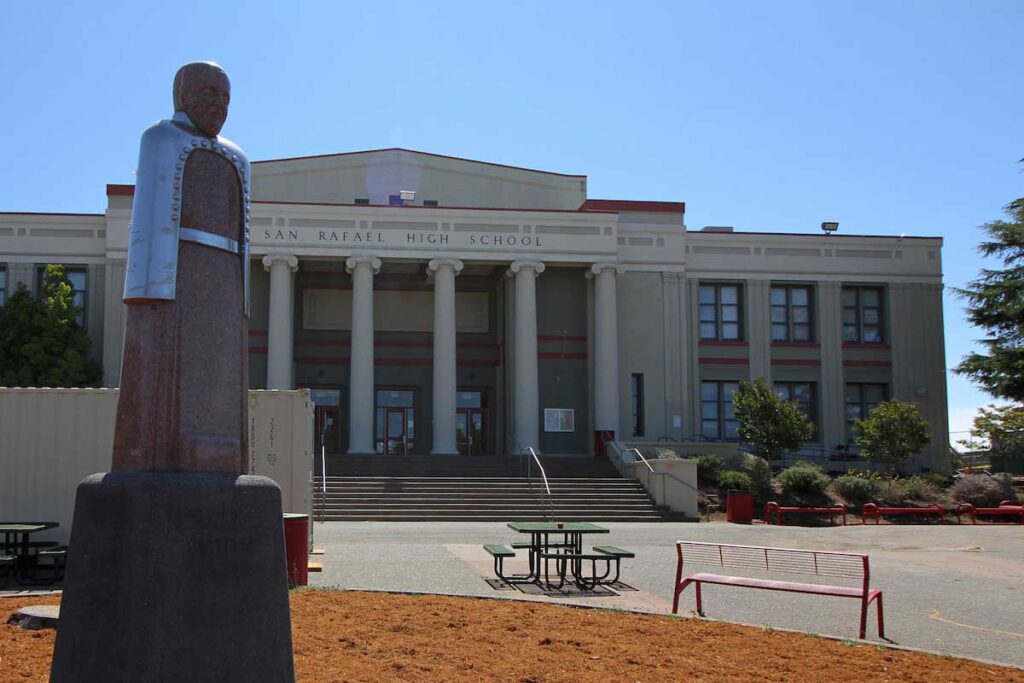
The Louis Pasteur Statue at San Rafael High is more than just a piece of public art—it’s the birthplace of one of cannabis culture’s most iconic codes: “420.” For travelers interested in history, art, and counterculture, this statue is a must-see destination.
A Monument with History
The Louis Pasteur Statue at San Rafael High School in California was sculpted in 1940 by artist Beniamino Bufano as part of a Works Progress Administration project. The abstract red granite figure of Pasteur, adorned with stainless steel buttons and a cape, was originally placed near the school’s art building before being moved to a landscaped area by the science building. Though vandalized in the late 1950s, the statue was restored and remains a striking example of WPA-era public art. For tourists, it’s a fascinating blend of history, artistry, and cultural significance.
The Birthplace of “420”
Cannabis travelers will find this statue especially compelling because of its unique role in weed culture. Contrary to popular myths, the term “420” is not a California police code, nor is it tied to Bob Marley’s birthday (he was born in February). The most credible origin story dates back to 1971, when a group of San Rafael High students known as the “Waldos” used the statue as their meeting point. They had discovered a map leading to a hidden stash of marijuana near Point Reyes, but since many were athletes, they could only gather after practice—at 4:20 p.m. Their secret phrase, “4:20 Louie,” referencing the Pasteur statue, quickly shortened to “420.” The term spread through the school, caught the attention of the Grateful Dead, and eventually became a universal symbol of cannabis culture.
Why Cannabis Travelers Should Visit
For cannabis tourists, the Louis Pasteur Statue is more than a quirky landmark—it’s a pilgrimage site. Standing before the statue connects visitors to the very roots of modern cannabis slang, a cultural phenomenon that has endured for over five decades. It’s a chance to experience the physical space where a global movement began, blending art, history, and counterculture. Much like visiting Haight-Ashbury for its role in the Summer of Love, this statue offers a tangible link to cannabis heritage.
A Universal Symbol
Today, “420” is recognized worldwide as shorthand for marijuana, celebrated every April 20th by cannabis enthusiasts across the globe. Its influence is so widespread that even road crews in Stratton, Colorado, had to replace the stolen 420-mile marker on I-70 with “419.99” to deter theft. Visiting the Louis Pasteur Statue allows travelers to stand at the crossroads of art and folklore, where a simple meeting spot became the seed of a cultural revolution.
In short, the Louis Pasteur Statue is not just a monument to science—it’s a cornerstone of cannabis tourism. For those who embrace the culture, it’s a destination that embodies history, rebellion, and the enduring spirit of 420.
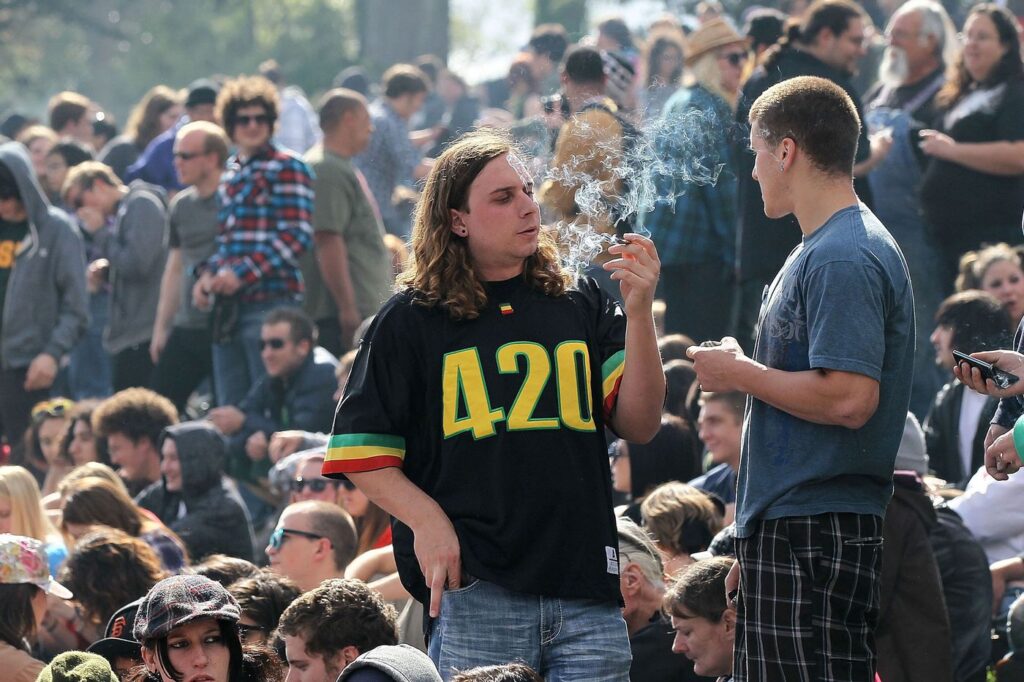
Why Beard Bros Travel Features Louis Pasteur Statue
At Beard Bros Travel, we believe cannabis culture is about more than consumption—it’s about connection, creativity, and exploration. Featuring destinations like Louis Pasteur Statue shines a light on landscape highs and the visionaries who challenged conventions.
These spotlights invite our readers—especially cannabis enthusiasts with a passion for design, culture, and innovation—to think differently about travel. Whether you’re blazing new trails or just looking for places that spark conversation and wonder, the Louis Pasteur Statue is a trip worth taking.
Interested in cannabis and travel, click here. Check out our cannabis travel listings here. Read more travel articles here.