Key Takeaways
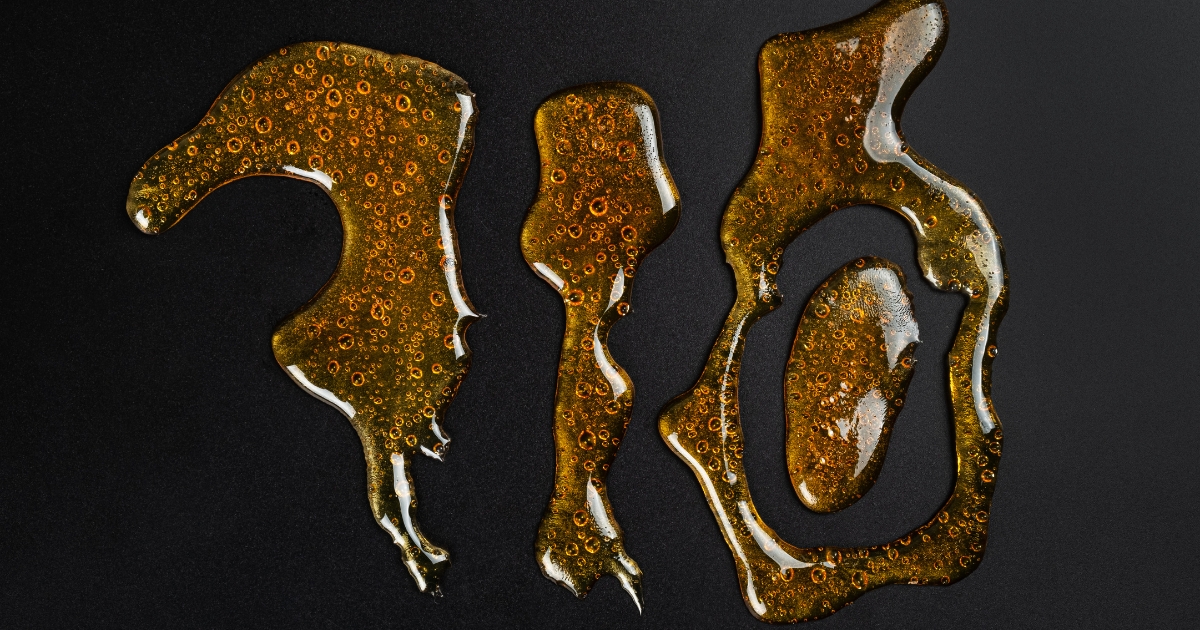
- 710 is the cannabis holiday for concentrates, celebrated every July 10. Flip 710 upside down and it spells “OIL”—that’s where the name comes from.
- Concentrates cover a wide range of products, including shatter, wax, budder, live resin, rosin, hash rosin, bubble hash, distillate, RSO, vape carts, dablicators, and kief—each with its own texture, potency, and use case.
- 710 grew from concentrate culture, not corporate marketing. Dabbers, hash makers, and extract artists gave the holiday meaning long before brands turned it into a sales event.
- Solventless products like rosin and hash rosin have transformed the concentrate market, pushing terpene preservation and craft extraction into the spotlight.
In cannabis culture, 710 is the holiday for concentrates. It lands every year on July 10, written as 7/10, and it celebrates cannabis oil products like hash oil, rosin, live resin, wax, shatter, budder, sauce, diamonds, vape carts, dablicators and other extract-based products.
The reason is simple: flip the number 710 upside down and it looks like the word “OIL.” That little calculator-style trick became shorthand for cannabis oil, and over time, 710 became the concentrate community’s answer to 420. Weedmaps describes 710 as a cannabis holiday centered on oils, dabs and concentrates, with products like hash oil, shatter, wax, live resin and budder all falling under the broader 710 umbrella.
But 710 is more than a number. It is a signpost for a whole side of cannabis culture that does not always get understood by casual consumers. Flower gets most of the mainstream attention. Edibles get the wellness-curious crowd. Beverages are having their shiny new “we’re not alcohol but we know your distributor” moment. Concentrates are different. They sit at the intersection of craft, potency, flavor, chemistry, equipment, tolerance and, let’s be honest, a little bit of ritual.
If 420 is the big public cannabis holiday, 710 is the holiday for the heads who care about resin quality, terpene preservation, fresh frozen flower, low-temp dabs, solventless hash, properly cleaned rigs and whether that jar was actually worth what the budtender said it was.
Why Is July 10th Called 710 Day?
July 10 became 710 Day because 7/10 matches the number 710, which spells “OIL” upside down. The connection is not complicated, but the culture around it runs deep.
Cannabis oil and concentrate culture were already growing before 710 became widely recognized. As legalization spread and extraction technology improved, more consumers started experimenting with products beyond flower. Dabs, vape cartridges, hash rosin and live resin became more visible in legal markets, and the concentrate community needed its own holiday.
420 already belonged to the whole plant. 710 belonged to the oil.
The origins of 710 are still a little hazy, which feels extremely on-brand for a cannabis holiday. Several sources point to early online forums, concentrate culture, Urban Dictionary entries around 2010 and the role of TaskRok, who is often credited with helping popularize the term in 2011. Cannabis Etiquette notes that TaskRok used the term in a 2011 TokeCity chat and that the first formal 710 Cup was held in Denver on July 10, 2013, giving the holiday a more public competition-style moment.
That matters because 710 did not begin as a corporate sales campaign. It came from culture first. Dabbers, extract artists, hash makers, rig makers and concentrate consumers gave the day meaning before dispensaries turned it into a discount calendar event.
And that is the tension today. 710 is now big enough for brands and retailers to build campaigns around it, but the heart of the holiday still belongs to the people who treated hash and oil like craft long before the mainstream caught up.
How 710 Became the Concentrate Holiday
Concentrates were not always this polished. Before legal menus were full of live rosin, sauce carts and cold-cure jars, dab culture carried a certain underground edge. There were rigs, torches, hot nails, homemade setups and a lot of people learning the hard way that “just a little” is not always little when the product is testing at 80 percent THC.
As legal markets matured, concentrate products became more refined. Extraction labs improved. Consumers got more educated. Solventless hash rosin went from niche to premium. Live resin became a flavor-forward staple. Vape carts brought oil-based products to consumers who had no interest in using a torch. Electronic rigs made dabbing less intimidating. Dablicators and applicators made concentrates more approachable for patients and consumers who wanted precision without the glassware science project on the coffee table.
That evolution helped 710 grow from insider slang into one of the most important cannabis dates of the year. Weedmaps describes 710 as one of the key cannabis holidays tied to concentrates, oils and dabs.
Headset’s current category data also shows why concentrates continue to matter commercially. Concentrates remain a major cannabis product category in both the United States and Canada, with Headset tracking concentrate revenue, product performance and consumer purchasing behavior across legal markets.
That is not just trivia. For Beard Bros readers, operators and brands, it shows that 710 is no longer just a dabber holiday. It is a window into where cannabis consumption is heading: more format diversity, more demand for flavor, more interest in solventless and full-spectrum products, and more need for education so consumers actually understand what they are buying.
What Are Cannabis Concentrates?
Cannabis concentrates are products made by separating and collecting the most active parts of the cannabis plant, especially cannabinoids like THC, CBD, CBN and other minor cannabinoids, along with the terpenes that help shape aroma, flavor and effects. Instead of consuming the whole flower, concentrates give consumers a more potent expression of the plant’s resin.
That resin is where much of the magic lives. It is found in the sticky trichomes that coat cannabis flower, and those trichomes contain the compounds responsible for the plant’s smell, taste, potency and experience. When those compounds are collected, extracted, pressed, refined or separated into a more concentrated form, the result is what we call a cannabis concentrate.
Concentrates can look wildly different from one product to the next. Some are thick and oily. Some are glassy and brittle. Some are soft and buttery. Some look like sugar, sauce, diamonds, crumble or golden sap. Others come in vape cartridges, syringes, applicators or tincture-style formats. The texture usually depends on the extraction method, the starting material, the temperature, the amount of terpene content and how the product is handled after extraction.
One of the most important things to understand is that “concentrate” is a broad category. It does not describe one single product. It covers a wide range of cannabis oils, extracts and resin-based products, each with its own purpose, potency, flavor profile and best use case.
Shatter
Shatter is one of the classic cannabis concentrates that helped define early dab culture. It usually has a thin, glass-like texture and can snap or break apart, which is where the name comes from. Shatter is often made through solvent-based extraction and is typically known for high potency and a cleaner, more stable appearance.
For years, shatter was one of the most recognizable products in the concentrate world. It was easy to spot, easy to store and became a staple for consumers who wanted strong effects without a lot of extra plant material. Today, it is not as trendy as rosin or live resin, but it still has a place for experienced consumers who want a straightforward dab product.
Wax, Budder and Badder
Wax, budder and badder are softer concentrates with textures that can range from crumbly and dry to smooth, creamy and spreadable. These products are often easier to handle than shatter, especially for consumers using dab tools.
Budder and badder tend to have a whipped or creamy consistency, while wax can be a little drier or more crumbly depending on how it was processed. These textures are often popular with dab consumers because they are easy to portion and can deliver strong flavor and effects when made well.
The main difference between these products is usually texture, not necessarily potency. A badder, budder and wax can all be potent, terpene-rich and flavorful depending on the input material and extraction process.
Crumble
Crumble is a drier, more fragile concentrate that breaks apart easily. It usually has a honeycomb-like or flaky texture and can be easier to sprinkle into a joint, bowl or blunt than stickier concentrates.
Because crumble is less wet than sauce or badder, some consumers like it for convenience. It can be dabbed, added to flower or used to boost potency in a session. However, because it can be crumbly and messy, it is best handled carefully and stored properly.
Live Resin
Live resin is one of the most popular modern concentrates because it is known for preserving the flavor and aroma of fresh cannabis. It is usually made from fresh frozen cannabis flower instead of dried and cured flower. Freezing the plant shortly after harvest helps preserve volatile terpenes that can be lost during drying and curing.
That terpene preservation is the main reason consumers love live resin. A good live resin can capture more of the plant’s original aroma and flavor, giving the experience a brighter, louder, more strain-specific profile. Live resin can appear as sauce, sugar, badder, diamonds, vape oil or other textures.
Live resin is commonly used for dabs and vape cartridges. For consumers who care about flavor and a fuller plant profile, live resin is often seen as a step up from basic distillate.
Rosin
Rosin is a solventless cannabis concentrate made using heat and pressure instead of chemical solvents. Flower, kief or hash can be pressed to squeeze out resin-rich oil. When done well, rosin can deliver strong flavor, clean texture and a closer connection to the original plant material.
Rosin has become one of the most respected categories in concentrate culture because it avoids solvent-based extraction and often highlights craft production. That said, not all rosin is automatically top shelf. The quality depends heavily on the starting material, the skill of the maker, the press technique and how the product is stored.
Flower rosin is pressed directly from cannabis flower. Hash rosin is pressed from hash, usually bubble hash, and is often considered more premium because it begins with a cleaner, more refined starting material.
Hash Rosin
Hash rosin is one of the most sought-after concentrate types in today’s solventless market. It is typically made by first washing cannabis flower in ice water to separate the trichomes, collecting those trichomes as bubble hash, drying the hash carefully, and then pressing it with heat and pressure to create rosin.
This process can preserve a rich terpene profile and create a flavorful, potent product without using solvents. Hash rosin is often sold in jars and may appear as cold cure, fresh press, jam, badder or other textures.
Because hash rosin is labor-intensive and depends on high-quality starting material, it is often more expensive than many other concentrates. For serious hash fans, that price can be worth it when the product delivers real flavor, smoothness and strain expression.
Bubble Hash
Bubble hash is a solventless concentrate made by using ice water, agitation and filtration bags to separate trichomes from cannabis plant material. The “bubble” name comes from the way high-quality hash can bubble or melt when heated.
Bubble hash has deep roots in cannabis culture and helped lay the foundation for the modern solventless movement. It can be smoked on its own, added to flower or used as the starting material for hash rosin.
Quality can vary widely. Full-melt bubble hash is considered premium because it melts cleanly with little leftover residue. Lower-grade bubble hash may contain more plant material and is often better suited for topping bowls or rolling into joints.
Dry Sift
Dry sift is another traditional solventless concentrate made by mechanically separating trichomes from dried cannabis flower using screens. Unlike bubble hash, it does not use water. The goal is to collect resin glands while leaving behind as much plant material as possible.
High-quality dry sift can be flavorful, aromatic and potent. It can be pressed into hash, added to flower, dabbed if refined enough or used in infused products. Like bubble hash, the quality depends on purity, trichome preservation and how much plant material remains in the final product.
Hash
Hash is one of the oldest and most traditional forms of cannabis concentrate. Long before modern extraction labs, vape carts or cold-cure rosin jars existed, people were collecting, pressing and consuming cannabis resin.
Hash can be made in different ways, including dry sift, hand-rubbing, ice water extraction or mechanical separation. It is usually pressed into a block, ball, slab or loose resin form. Traditional hash tends to have a rich, earthy, spicy or incense-like profile, depending on the cannabis and production method.
Modern concentrate culture owes a lot to hash. Rosin, bubble hash and solventless products may feel new to some consumers, but the core idea goes back generations: separate the resin, preserve the plant’s character and consume a more concentrated form of cannabis.
Sauce and Diamonds
Sauce and diamonds are concentrates that separate into two main parts: cannabinoid crystals and terpene-rich sauce. The “diamonds” are usually THCA crystals, while the sauce contains a concentrated terpene fraction that gives the product its aroma and flavor.
This type of concentrate is popular among experienced dab consumers because it can offer both high potency and strong flavor. The diamonds bring cannabinoid concentration, while the sauce brings the terpene profile.
However, sauce and diamonds can also be very strong, so they are not usually ideal for beginners. They are best approached with small portions and some understanding of personal tolerance.
Distillate
Distillate is a highly refined cannabis oil that is often used in vape cartridges, edibles, infused pre-rolls and other manufactured cannabis products. Through refinement, distillate is usually stripped down to a high concentration of specific cannabinoids, most commonly THC or CBD.
Distillate is popular because it is versatile, consistent and potent. It can be used in many product formats and is often more affordable than live resin or rosin. However, because distillation can remove much of the original terpene profile, many distillate products have terpenes added back in later.
Those terpenes may be cannabis-derived or botanically derived, depending on the product. That is why two vape carts labeled “distillate” can feel very different from one another. One may be a simple high-THC oil with added flavor, while another may be formulated to mimic a specific strain profile.
RSO and Full-Spectrum Cannabis Oil
RSO, short for Rick Simpson Oil, is a thick, dark cannabis oil often associated with medical use and full-spectrum plant extraction. Unlike dab concentrates made for inhalation, RSO is commonly consumed orally or applied in measured amounts, depending on the product and consumer need.
RSO is known for being potent and full-bodied because it can contain a wide range of cannabinoids, terpenes and other plant compounds. Many consumers use RSO for nighttime routines, deeper relief, appetite support, rest, recovery or wellness-focused cannabis use.
Because RSO can be extremely strong, dosing matters. A small amount can go a long way, especially for people with lower tolerance. This is where applicators and clearly labeled products can help consumers use cannabis oil more responsibly.
Vape Cartridges and Disposable Vapes
Vape cartridges and disposable vapes are some of the most common concentrate products on the market. They use cannabis oil that is heated and inhaled through a battery-powered device. Depending on the product, that oil may be distillate, live resin, rosin, cured resin, sauce or another extract type.
Vapes made 710 culture more accessible because they removed the need for dab rigs, torches and complicated setups. For many consumers, a vape is their first experience with cannabis concentrates.
That convenience comes with responsibility. Consumers should pay attention to the oil type, hardware quality, testing results, terpene source and whether the product comes from a licensed, reputable brand. A good vape should be more than a sleek package and a catchy strain name.
Dablicators and Oil Applicators
Dablicators and cannabis oil applicators are designed to make oil easier to dose and use. Instead of scooping sticky concentrate out of a jar, consumers can dispense measured amounts of cannabis oil for oral use, topical application, adding to food, or in some cases dabbing, depending on the product instructions.
These formats can be especially useful for medical consumers and people who want more control over their cannabis routine. They also help bridge the gap between traditional concentrates and wellness-oriented cannabis use.
For Beard Bros Pharms, this category matters because oil-based products are not only about chasing high THC dabs. Cannabis oils can also be part of a daily wellness routine when they are made with intention, labeled clearly and used responsibly.
Kief
Kief is the loose collection of trichomes that falls off cannabis flower. Many consumers first encounter kief in the bottom chamber of a grinder. While it is less refined than many modern concentrates, it is still a concentrated form of cannabis resin.
Kief can be sprinkled on flower, pressed into hash, added to joints or used in infused products. It is one of the simplest ways to experience a more potent resin-rich product without jumping into dabs or advanced concentrate formats.
Which Cannabis Concentrate Is Best?
There is no universal “best” concentrate. The right choice depends on the person using it.
For flavor, many consumers lean toward live resin, rosin or hash rosin. For potency and affordability, distillate, wax or shatter may be more appealing. For tradition and solventless craft, hash, bubble hash and dry sift carry deep cultural value. For medical-style use and measured routines, RSO and oil applicators may make more sense. For convenience, vape carts and disposables continue to dominate.
The smarter question is not “What is the strongest concentrate?” It is “What product fits my tolerance, goals, budget and preferred experience?”
That is where education matters. Concentrates can be powerful, useful, flavorful and culturally important, but they are not one-size-fits-all. Whether someone is celebrating 710 with a dab rig, a rosin cart, a jar of hash, a measured oil applicator or a little kief on top of a bowl, the same rule applies: know what you are using, respect the potency and choose quality over hype.
Why Concentrates Are So Potent
Concentrates are popular because they are powerful, efficient and flavorful. But that power is also exactly why consumers need to respect them.
Flower in legal markets can already be potent, but concentrates usually push far beyond flower potency by weight. Many concentrates test at much higher THC levels than traditional flower, depending on the format and production method. That does not mean stronger is automatically better. This is one of the biggest traps in modern cannabis marketing.
THC percentage is easy to sell because it is a number consumers can compare quickly. But cannabis is not just a THC delivery contest. Terpenes matter. Minor cannabinoids matter. Freshness matters. Starting material matters. Extraction quality matters. Lab accuracy matters. Your own tolerance matters most of all.
The American Psychological Association noted in 2025 that modern high-potency cannabis exists in relatively uncharted scientific territory compared with older research based on lower-potency products, and it highlighted concerns around withdrawal, cannabinoid hyperemesis syndrome and cannabis-induced psychosis among potential risks associated with higher-potency cannabis use.
That does not mean concentrates are bad. It means education has to catch up with access.
A first-time cannabis consumer does not need to prove anything with a giant dab. Nobody gets a trophy for coughing through their soul. Start small, know what you are consuming, and give the product time to settle in before going back for more.
710 and the Rise of Solventless Cannabis
One of the biggest shifts since the early days of 710 has been the rise of solventless cannabis, especially rosin and hash rosin.
Solventless products are made without chemical solvents like butane, propane or ethanol. Instead, they rely on mechanical separation, heat and pressure. That does not automatically make every solventless product better than every solvent-based product, despite what some internet hash snobs will tell you between rig cleanings. Plenty of live resin is excellent. Plenty of rosin is overpriced mid in a fancy jar. The method matters, but so does the starting material and the skill of the maker.
Still, the solventless movement has changed concentrate culture in a major way. It gave hash makers a premium lane. It made consumers more aware of extraction methods. It put terpene preservation and texture into the spotlight. It also helped bring older traditions like bubble hash and dry sift back into modern legal markets.
Headset’s concentrate category reporting highlights how the market tracks product performance, pricing and consumer behavior across concentrate formats, which helps show how important this category has become in legal cannabis retail.
That is a big deal in an industry where price compression has hammered flower, distillate and many commodity products. Consumers may be bargain hunting, but many are still willing to pay for quality when they can understand what makes the product worth it.
That is the real opportunity for 710: not just selling more jars, but explaining why one gram of hash rosin costs more than another gram of concentrate and helping consumers separate real quality from marketing fog.
Vapes, Dablicators and the New Face of 710
For a lot of consumers, 710 does not mean a torch and a rig anymore. It means vape carts, disposables, live resin pods, rosin carts, oil applicators and other concentrate formats that are easier to use in real life.
That shift matters. Traditional dabbing has always had a learning curve. You need gear. You need temperature control. You need to understand how much product to use. You need to clean your setup. You need to not act like a raccoon with a blowtorch. Vapes and applicators lowered the barrier for consumers who want oil-based cannabis products without the full dab ritual.
For medical patients, oil applicators can be especially important because they allow more controlled dosing and easier application. For adult-use consumers, carts and disposables offer convenience, discretion and portability. For experienced consumers, electronic rigs and better temperature-controlled devices have made the dab experience smoother and less intimidating.
That does not mean every vape or disposable is automatically worth celebrating. Hardware quality, oil quality, additives, terpene sources, testing standards, labeling and environmental waste all matter. A sleek vape with bad oil is still bad oil. A disposable that tastes like a gas station air freshener is not innovation. It is a warning sign with a mouthpiece.
710 should push the conversation beyond “what is cheap today?” and toward better questions: What is in this oil? Was it tested? Is it full-spectrum? Is it distillate with botanical terpenes? Is it live resin? Is it rosin? What hardware is being used? Is the brand transparent? Does the product match the consumer’s tolerance and needs?
That is where responsible cannabis media and educated retailers can actually serve consumers instead of just selling them another blinking pen.
710 Is a Retail Holiday, But It Should Not Become Only a Sale
There is no pretending otherwise: 710 is now a major retail event. Dispensaries run deals. Brands launch limited drops. Consumers wait for discounts on concentrates, carts, rosin jars and dab gear. That is not inherently a bad thing. Legal cannabis operators need revenue, and consumers like saving money. Shocking stuff, we know.
But the danger is that 710 becomes another hollow promo day, stripped of the culture that created it.
420 already went through this. What began as a coded cultural signal became a giant marketing machine. Some of that growth was inevitable. Legalization brings retail. Retail brings campaigns. Campaigns bring discount stacks, email blasts and subject lines that look like they were written by a spreadsheet in sunglasses.
710 can do better.
The strongest 710 campaigns should combine access with education. Discounts are fine, but consumers also need explainers, product comparisons, budtender training, safety reminders, terpene education, extraction method breakdowns and honest guidance for new users. A shopper who understands the difference between live resin, rosin, distillate and RSO is more valuable long term than a shopper who bought the cheapest cart because it was 40 percent off.
For operators, the lesson is simple. Use 710 to build trust, not just basket size.
How to Celebrate 710 Responsibly
The best way to celebrate 710 depends on your experience level.
If you are new to cannabis, concentrates are probably not the best place to start. That is not gatekeeping. That is common sense. A low-dose edible, a small amount of flower or a balanced product may be a better introduction than jumping straight into high-potency oil.
If you already consume cannabis but are new to concentrates, start with very small amounts. Ask questions. Look for tested products from licensed retailers. Choose a format that matches your comfort level. A low-temp dab, small puff from a vape or precisely measured oil applicator is very different from taking a giant dab because somebody with a terp pearl collection told you to “send it.”
If you are experienced, 710 can be a good day to explore quality. Try a solventless product from a respected hash maker. Compare live resin and rosin. Revisit traditional hash. Support brands that actually care about extraction, not just packaging. Clean your rig. Respect the plant. Drink water. Maybe do not schedule a Zoom meeting right after that dab unless your business strategy is “stare thoughtfully into the webcam.”
Consumers should also pay attention to local laws. Cannabis rules vary widely by state, and not every product is legal or available everywhere. Some states allow adult-use sales. Some only allow medical cannabis. Others restrict certain product categories, potency levels or purchasing limits. A 710 shopping experience in California, Massachusetts, Missouri, Michigan, New York, Florida or Canada may look very different depending on the market.
The culture may be national, but the rules are still local.
What 710 Means for Cannabis Culture
At its best, 710 is about respect for craft.
It celebrates the people who learned how to preserve terpenes, separate resin, wash hash, press rosin, run extraction labs, design better rigs, improve hardware and educate consumers about oil-based cannabis products. It honors the nerdy side of cannabis, the side where people talk about micron bags, cold cures, terp layers, fresh frozen input material and whether a jar has the right wetness like they are judging a culinary competition.
And honestly, good. Cannabis deserves that level of care.
For decades, prohibition flattened cannabis into a caricature. Weed was treated like one thing. A joint. A bag. A crime. A punchline. Legalization and culture changed that. Now consumers can explore flower, edibles, tinctures, topicals, beverages, concentrates, minor cannabinoids and full-spectrum oils. Concentrates are part of that larger story.
710 reminds us that cannabis is not just about getting high. It is about the plant’s complexity, the people who built the culture, the science of extraction, the art of flavor, the needs of patients, and the ongoing fight to keep this industry from becoming nothing but corporate shelves and hollow lifestyle branding.
Why 710 Matters in 2026
In 2026, 710 matters because concentrate culture is sitting at a crossroads.
On one side, concentrates are more mainstream than ever. Vapes, rosin, live resin, dablicators and oil products have helped expand the category beyond traditional dab consumers. Weedmaps and other cannabis education platforms now treat 710 as one of the key dates on the cannabis calendar.
On the other side, high-potency products are drawing more scrutiny from public health experts, regulators and consumers. The American Psychological Association’s 2025 coverage of modern marijuana potency pointed out that today’s high-potency cannabis products are very different from the lower-potency products used in much of the older research.
That does not mean concentrates are bad. It means the industry cannot keep telling people “start low and go slow” while building retail strategies that push the highest THC number like it is the only thing that matters. That disconnect is bad for consumers, bad for patients, bad for policy and bad for the long-term credibility of the legal market.
710 should be the day the industry proves it can celebrate potency without worshipping it blindly.
Beard Bros Take
710 started as a clever code, but it became something bigger because the culture gave it meaning.
It is OIL upside down, sure. But it is also a reminder that cannabis has layers. There is flower culture, edible culture, medical oil culture, hash culture, dab culture, legacy culture, solventless culture, vape culture and a whole lot of overlap between them. The best parts of this plant have always come from the people who cared before the market showed up with branded lanyards.
So when July 10 rolls around, celebrate the hash makers, the extract artists, the patients using oils, the consumers learning how to dose properly, the budtenders explaining the difference between rosin and resin for the hundredth time, and the legacy heads who knew concentrates were special before the rest of the industry figured out how to put them in a glass jar with a premium label.
710 is not just a sale day. It is not just a dab day. It is not just a reason to buy a cart because your inbox said “OIL DAY MEGA DEAL” in all caps.
It is a culture holiday built around cannabis concentrates, and if the industry wants to keep it meaningful, it needs to protect the craft, educate the consumer and respect the plant.
Frequently Asked Questions
710 is cannabis slang for oil and concentrates. When the number 710 is flipped upside down, it looks like the word “OIL.” That is why July 10, written as 7/10, became the cannabis holiday for concentrates, dabs, rosin, resin, hash oil, vape carts and other oil-based products.
710 Day is celebrated every year on July 10. Some consumers also use 7:10 as a time to consume concentrates, similar to how 4:20 became associated with cannabis consumption.
No. 420 is the larger mainstream cannabis holiday associated with cannabis culture as a whole. 710 is more specifically focused on cannabis oils, dabs and concentrates. Think of 420 as the big tent and 710 as the hash head lounge inside the tent.
Popular 710 products include live resin, hash rosin, rosin carts, vape cartridges, wax, shatter, budder, crumble, sauce, diamonds, bubble hash, dry sift, RSO, cannabis oil applicators and dab gear.
Yes, concentrates are usually much stronger by weight than cannabis flower. Many concentrates can test far higher in THC than flower, which is why new consumers should approach them carefully and start with very small amounts.
Not always. Rosin is solventless and often considered a premium product, especially when made from high-quality hash. Live resin is made with solvents but can preserve excellent terpene profiles from fresh frozen cannabis. The better choice depends on quality, starting material, extraction skill, flavor, price and consumer preference.
Most beginners should not start with dabs. Concentrates can be very potent, and a single dab may be too intense for someone with low tolerance. New consumers should consider starting with lower-dose products and learning how cannabis affects them before moving into concentrates.
Dispensaries run 710 deals because July 10 has become a major cannabis retail holiday focused on concentrates, vapes, oils and dab products. The best retailers use the day not only for promotions, but also for consumer education and product guidance.
Buy tested products from licensed retailers, understand the product type, start with a small amount, avoid mixing with alcohol or other substances, stay hydrated, and do not drive after consuming. If you are new to concentrates, ask questions before buying and do not let anyone pressure you into taking more than you are comfortable with.