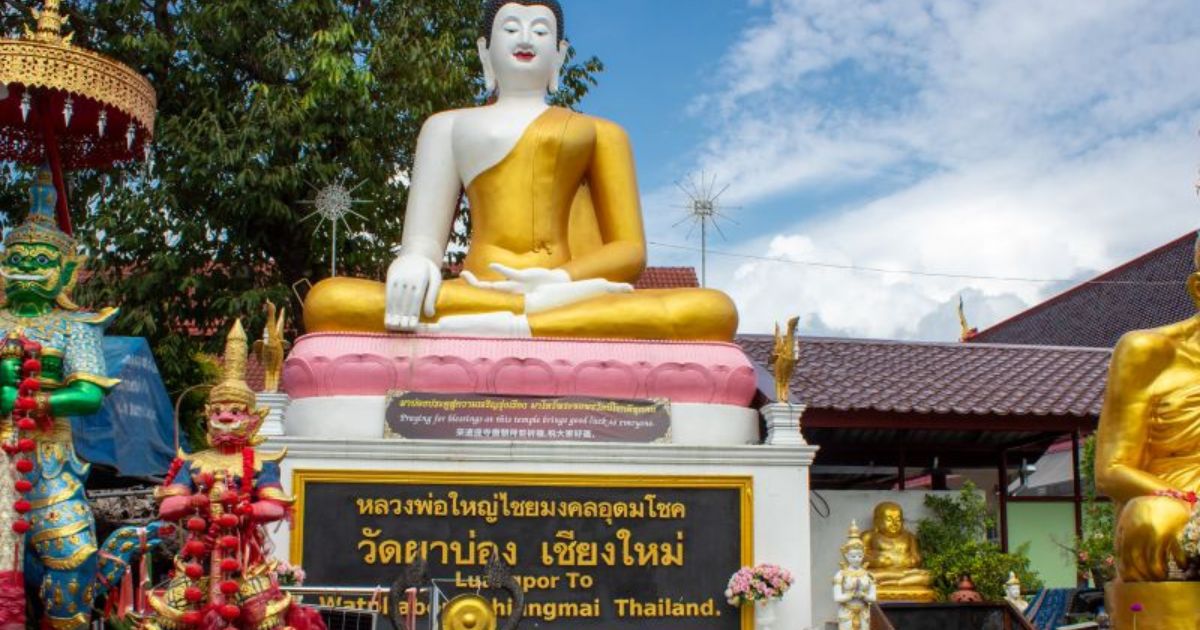
Northern Thailand borders the Golden Triangle, where Thailand, Laos, and Myanmar meet; a region frequently cited by researchers for its agricultural diversity and rugged terrain. According to local historians, the area’s altitude and climate have supported outdoor cannabis cultivation for decades. Ethnobotanical studies report that cannabis has traditionally been grown alongside other crops and used in local medicine and cuisine. The High Road Beyond Borders Tour, Thailand explored this region, documenting how geography and tradition continue to shape Thailand’s cannabis landscape.
Industry analysts compare northern Thailand to California’s Emerald Triangle, noting that remoteness and climate define local cannabis production. In this region, land and climate, rather than large-scale infrastructure, shape cultivation methods, resulting in products closely linked to their geographic origin.
Cannabis has played a role in Thai culture for centuries, especially in rural and northern regions, according to academic studies. Despite the introduction of prohibition laws in the 1970s, interviews with local residents and researchers confirm that traditional uses in medicine and food continued. The 2022 delisting of cannabis as a narcotic by Thailand’s Public Health Ministry enabled medical and personal cultivation, but small-scale, outdoor growing remains common in the north.
Cannabis Production and Brands in the North
According to local industry observers, cannabis production in northern Thailand is characterized by local cultivation, short supply chains, and direct-to-consumer sales. Most operations are small-scale, with growers, processors, and retailers often working within the same communities. This structure fosters traceability and a connection between product and place.
Baked Brand Edibles, based in Chiang Mai, produces small-batch caramels in coconut, vanilla, chocolate, and mango flavors, as well as microdose cookies made with fan leaves. The fan leaves used in these products are sourced from university cultivation programs, an approach uncommon in the United States, where university-grown cannabis is rarely used in commercial edibles due to federal restrictions. The brand states it emphasizes ingredient quality and consistent dosing, and operates within legal guidelines.


The Thailand Dank Squad cultivates hybrid strains in a hydroponic facility, including Rainbow Beltz, Mimosa, and Cakez n Cream. Hydroponic cultivation is recognized for its efficient use of water, controlled nutrient delivery, and potential for reduced pesticide use compared to traditional soil growing. Their operation includes a dispensary and The Jungle, an onsite restaurant and bar in Chiang Mai. Thailand Dank Squad highlights transparent cultivation practices, diverse offerings, and engagement with the local community.

PrempaVee, based in the Isan region of northeastern Thailand, is an outdoor grower whose products, including Pearls, reflect the impact of the environment on cannabis quality. The Isan region shares similarities with northern provinces, such as a seasonal climate and fertile soils enriched by river systems, but also features hotter, drier conditions and distinct soil profiles in some areas. The company uses local climate and elevation to guide cultivation, with an emphasis on environmental focus and small-batch production.

Regional Context and Industry Scale
During the war in Vietnam, northern Thailand’s proximity to military operations and the Golden Triangle contributed to its reputation as a cannabis-producing hub. Reports from the era note that American soldiers stationed in the region encountered potent, locally grown cannabis. The soils in this area, enriched by river valleys and alluvial deposits, continue to be recognized by agronomists for their suitability for cannabis and other high-value crops.
According to agricultural statistics from the Thai government, northern provinces consistently produce a greater share of outdoor cannabis compared to southern or central regions, due to both climate and tradition. Cannabis output in northern Thailand is shaped by geography and individual growers, not large-scale industrial models. The region’s market remains focused on environmental adaptation and localized production.
In contrast to the United States, where legal regulations often require indoor cultivation, northern Thailand producers maintain visible links between product and environment. These regional differences highlight the ongoing role of local context in global cannabis markets.
As Thai cannabis policy continues to evolve, northern Thailand provides a case study, according to researchers and policy analysts, in how history, geography, and community shape production and consumption. The region’s model emphasizes environmental adaptation and local networks, offering insight into possible future trends for cannabis in Southeast Asia.

Veronica “Vee” Castillo is the Traveling Cannabis Writer, an international traveling plant medicine journalist who has spent over seven years documenting cannabis culture across the United States and internationally, including Thailand, where she explores the intersection of ancient plant medicine traditions and modern cannabis culture. With over 25 publications and celebrity interviews to her credit, along with her role as former Communications Director for a leading minority cannabis trade association and author of Cannabis Legacy Chronicles, she has dedicated her career to amplifying BIPOC voices and authentic stories in plant medicine. Back on the road covering cannabis internationally, Vee helps wellness and cannabis businesses worldwide transform their unique stories into strategic content that drives measurable growth and global visibility.