Key Takeaways
- IgniteIt Chicago 2026 gathered cannabis industry leaders to discuss key issues like capital access, regulatory challenges, and brand growth.
- The event showed a shift towards a more disciplined cannabis industry focused on realism rather than hype.
- Sessions emphasized that capital is still interested, but investors seek tangible metrics and strong leadership from operators.
- The mood reflected a need for connection and honest conversation amid ongoing cannabis reform debates.
- IgniteIt Chicago 2026 highlighted the importance of advocacy and justice in the cannabis industry’s evolution.
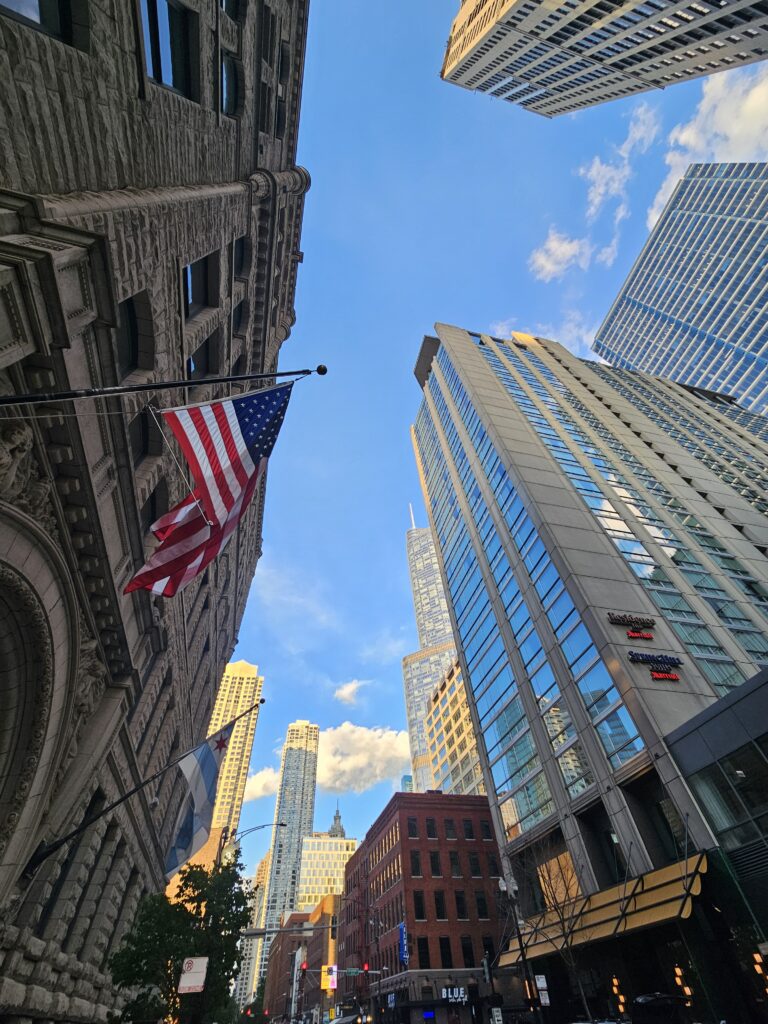
NORTH AMERICA, ILLINOIS – IgniteIt Chicago brought together cannabis operators, investors, executives, regulators, advocates, media, brands, and ancillary businesses at the Marriott Magnificent Mile from June 14 through June 16.
The event focused on capital, deal-making, partnerships, regulatory uncertainty, brand growth, cannabis retail strategy, hemp-derived cannabinoids, media visibility, and what serious cannabis operators need to do next.
Schedule III cannabis rescheduling, the CLIMB Act, cannabis banking reform, public listings, institutional capital access, hemp regulation, cannabis M&A, and operator discipline were all major themes throughout the conference.
Beard Bros Pharms and Media participated as a trusted event partner, supported the Media Stage, hosted the third official IgniteIt Chicago after party, and continued using these rooms to connect culture, business, advocacy, and real industry conversation.
IgniteIt proved once again that the legal cannabis market still needs real rooms, real relationships, and honest conversations, because no spreadsheet, pitch deck, or LinkedIn post can replace looking someone in the eye and figuring out who is actually building.
Cannabis Capital Came Back to Chicago, But With a Different Energy
IgniteIt Chicago 2026 landed at the Marriott Magnificent Mile during one of the strangest, most important, and most revealing moments the cannabis industry has seen in years. The conference ran June 14 through June 16, positioning itself as a business, capital, and investor-focused cannabis capital conference built for operators, investors, ancillary companies, brands, and decision-makers looking to raise capital, close deals, and build partnerships. The official event materials described it as featuring more than 120 thought leaders and 2,000 attendees.
That sounds polished, and it was. But the real story was not just the size of the room. It was the mood inside it.
This was not the old “green rush” circus where people slapped a leaf on a pitch deck, called themselves the next billion-dollar brand, and hoped nobody asked about margins. That era is mostly dead, and honestly, good riddance.
That is why Beard Bros continues to show up in these rooms.
The Mood Has Shifted: Discipline Over Sizzle
IgniteIt Chicago 2026 felt like the next version of cannabis business: more disciplined, more skeptical, more data-aware, more policy-conscious, and more focused on survival than sizzle.
Suits still filled the room. Cannabis investors were still present. And operators? They were still comparing notes in hallways, lounges, elevators, after parties, and side meetings. But the tone was sharper. The questions were better. The hype was lower. The expectations were higher.
That is where the cannabis industry 2026 actually sits. The industry is not dead. It is not magically saved by Schedule III cannabis. It is not waiting for one silver-bullet reform to fix broken tax structures, banking limitations, state-by-state fragmentation, price compression, social media censorship, compliance costs, or the very real fact that too many cannabis operators are still trying to build sustainable businesses inside systems designed by people who barely understand the plant.
IgniteIt Chicago put all of that on the table.
From Benzinga Cannabis to IgniteIt, the Room Still Matters
One reason this cannabis business conference carried weight is because IgniteIt is not some random new conference brand trying to cosplay credibility. In 2025, IgniteIt launched as a new media and events company led by former Benzinga Cannabis executives, creating a dedicated platform for cannabis businesses to connect, grow, and build after the team previously operated under the Benzinga Cannabis banner.
That matters because these rooms have history. Beard Bros has been showing up to these business-focused cannabis events for years. Not because we suddenly developed a fetish for name badges and lanyards, but because these conferences are one of the few places where the roots and the suits still have to share oxygen.
At last year’s Chicago event, one of the big takeaways was that the value of cannabis capital conferences comes from putting wildly different parts of the industry in the same space: operators, financiers, service providers, advocates, regulators, data companies, media, product brands, and people who still remember when “market entry strategy” meant not getting raided. Beard Bros previously described that value as the ability to create direct communication between the roots and the suits, with real face-to-face relationship building happening in booths, hallways, private rooms, and elevators.
Cannabis Is No Longer in Its Startup Phase
IgniteIt Chicago 2026 continued that same function, but with a more mature, more urgent edge. Cannabis is not in its cute startup phase anymore.
To survive in today’s cannabis industry, entrepreneurs must master cost management, customer acquisition, compliance, capital preservation, and regulatory navigation. They also need to build strong retail relationships and outlast the competition — all while waiting for federal cannabis reform to finally arrive.
In other words, the industry has entered the “show me the receipts” era.
Capital Is Interested, But It Is Not Naive
One of the clearest themes across IgniteIt Chicago 2026 was that capital has not disappeared from cannabis. It has just gotten a lot less gullible.
The agenda reflected that shift. Sessions covered what serious capital looks like now, how cannabis companies become lendable, what cannabis investors want in a more selective market, how operators evaluate cannabis M&A, and how companies adapt when regulation hits the profit and loss statement.
The official agenda specifically framed investor risk around Schedule III cannabis upside, implementation uncertainty, the medical and adult-use split, DEA registration complexity, the June 29 hearing, pricing pressure, and a more selective capital environment.
That framing is the ballgame.
What Investors Are Actually Looking For Now
For years, cannabis operators were told federal cannabis reform was right around the corner. Next came promises of cannabis banking reform just around the corner. Uplisting, they were assured, was imminent. And Schedule III? That was going to change everything.
Meanwhile, operators kept paying 280E taxes, getting throttled by price compression, fighting for basic financial services, and watching state-level regulatory capture turn too many markets into pay-to-play obstacle courses.
So when people talk about capital now, the smarter question is not “Is money coming back?” The smarter question is, “Who gets access to it, under what terms, and what kind of operator gets left behind?”
IgniteIt Chicago made clear that cannabis investors are not looking for vibes. They want real numbers, realistic market assumptions, strong leadership, clean compliance, defensible cannabis brand strategy, and a reason to believe the operator can survive the next policy curveball.
That is not bad for the legal cannabis market. It is painful, but it is necessary.
Schedule III Was Everywhere, But Nobody Serious Treated It Like Legalization
Federal cannabis rescheduling was one of the biggest ghosts in the room at IgniteIt Chicago 2026. You could feel it in the capital conversations, the policy panels, the medical market discussion, the hemp debates, and the operator strategy sessions.
The official IgniteIt agenda included a session titled “Beyond the Announcement: Understanding Federal Cannabis Rescheduling,” which noted that rescheduling may change cannabis’ federal posture, but does not solve banking, public listings, or institutional capital access on its own. The session also positioned the CLIMB Act as one possible bridge toward broader financial participation while the industry pushes for a more functional federal framework.
That is the part people need to sit with.
Why Schedule III Is Not the Finish Line
Schedule III cannabis is not legalization. This isn’t descheduling. Nor does it automatically create adult-use access. The conflicts between state-legal adult-use markets and federal drug law won’t magically disappear. There’s also the possibility that the federal government, pharmaceutical interests, or massive corporate operators could use “medical value” as the doorway to more centralized control.
For patients, there may be short-term benefits. For research, taxes, and certain medical operators, there may be meaningful changes. But for legacy operators, small businesses, adult-use cannabis brands, craft producers, and independent retailers, the long-term picture is not automatically sunny.
At Beard Bros, we have been saying this for years: once the federal government admits cannabis has medical value, the next fight becomes who gets to define medicine, who gets to sell it, who gets regulated out, and who gets written out of the industry they helped build.
IgniteIt did not answer all of that. No conference can. But it created space for people to stop pretending cannabis federal reform is simple.
Hemp, CBD, Beverages, and the Federal Collision Course
Hemp was another major thread running through the event, and for good reason. The federal hemp conversation is no longer a side issue. It is central to the future of cannabis, beverages, CBD, retail access, intoxicating cannabinoids, consumer safety, and competition between licensed cannabis companies and hemp-derived product operators.
IgniteIt’s agenda included conversations around CBD in healthcare, alcohol’s entry into hemp beverages, and the next cannabinoid framework. The CBD healthcare panel focused on a new federal healthcare access pathway for certain hemp-derived CBD products and the types of companies positioned to benefit through consistency, traceability, and scale.
The agenda also included “The Next Cannabinoid Framework: Consumer Safety, Access & Regulatory Balance,” which addressed a federal hemp deadline looming on November 12 and explored how CBD and beverages may be positioned compared with other hemp categories if restrictions move forward.
The Compliance Gap That Cannot Be Ignored
This is where things get messy, and cannabis does messy better than most industries, usually while charging itself too much rent.
Licensed cannabis operators have spent years paying brutal compliance costs, taxes, licensing fees, testing costs, and regulatory expenses. At the same time, hemp-derived products have moved through national retail channels under a very different framework. Some of those operators are serious, compliant, and focused on consumer safety. Others are not. That gap is now forcing a major reckoning.
The cannabis industry cannot pretend hemp does not exist. Hemp operators cannot pretend intoxicating products do not need standards. Regulators cannot keep writing rules that protect the biggest players while crushing everyone else. Consumers deserve safety, but not prohibition dressed up as safety.
IgniteIt Chicago 2026 showed that the hemp-derived cannabinoid conversation is becoming one of the biggest business and policy fights in the entire legal cannabis market.
Retail, Brands, and the End of “Weed Sells Itself”
Another standout theme at this cannabis conference was cannabis retail strategy. One panel title said the quiet part loud: “Weed Sells Itself” Is No Longer True. That session focused on how cannabis dispensary retailers, brands, and technology platforms are driving traffic, influencing purchasing decisions, building repeat customers, and figuring out what actually moves product in a competitive market.
Good. Because that myth needed to be buried deep.
Cannabis does not sell itself anymore — at least not in mature legal markets where consumers have choices, retailers are overloaded with SKUs, brands are fighting for shelf space, and price compression keeps punching margins in the mouth.
What Modern Cannabis Retail Actually Requires
The old model was simple: get licensed, open doors, stock weed, wait for the line. That worked in early markets. It does not work the same way now.
Today, brands need sell-through. Retailers need loyalty. Budtenders need education. Consumers need clarity. Operators need data. SEO matters. Product positioning matters. In-store execution matters. Community still matters. Culture still matters.
That is why Beard Bros keeps pushing the idea that cannabis companies need owned media, real storytelling, and content assets that outlive the conference floor. Visibility at an event is temporary. A good interview, article, video clip, executive conversation, or brand narrative can keep working for months.
The Beard Bros x IgniteIt Media Stage
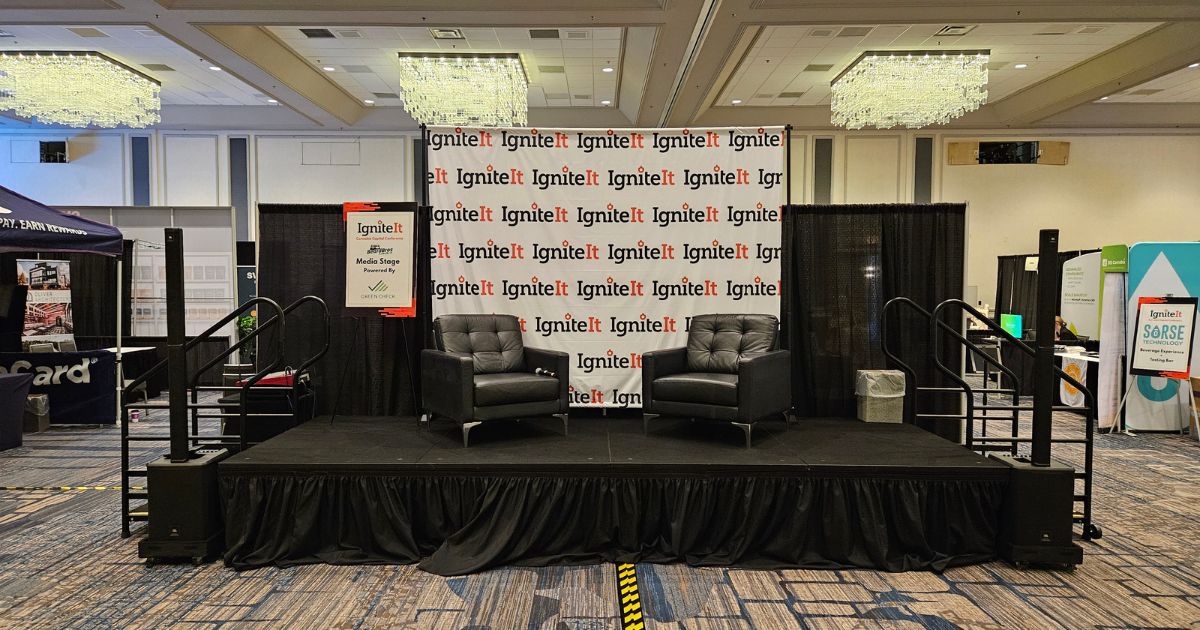
This was also part of the Beard Bros x IgniteIt partnership going into Chicago. Beard Bros co-hosted the IgniteIt Media Stage to support filmed interviews, strategic media positioning, and evergreen content creation for operators, executives, founders, and companies that understand the value of being visible beyond a booth.
That is not fluff. That is pipeline. It builds trust, drives search visibility, and ultimately determines how cannabis brands become findable when paid advertising platforms keep treating cannabis like radioactive contraband.
Media Is Not Dead, Lazy Media Is Dead
One of the most relevant sessions for us was “Can Media Still Drive Industry Connection & Leadership?” featuring Ricardo Baca of Grasslands, Bill Levers of Beard Bros. Pharms, Dustin Hoxworth of Fat Nugs Magazine, Dr. Sara Brittany Somerset, Rachelle Gordon of GreenState, and Nicolás J Rodriguez of IgniteIt.
That topic matters because cannabis media is in a strange place right now.
There is more information than ever, but not necessarily more trust. Posts abound, yet context often lags behind. Many aspire to be “thought leaders,” but plenty are just recycling headlines with a ring light and a Canva template.
Why Cannabis Media Still Has a Job to Do
Real cannabis media still matters because this industry needs memory.It needs people who remember prohibition. It needs people who understand culture, not just capital. Beyond that, we require individuals who can ask better questions, separate marketing spin from real movement, and keep the industry connected to the patients, prisoners, legacy operators, and small businesses who made this whole thing possible.
Cannabis media is not just coverage. Done right, it is infrastructure. It helps people find each other. Businesses gain credibility. The evolution of the legal cannabis market gets documented. Transactions leave a paper trail. And the stories that would otherwise get steamrolled by the next corporate rebrand? They get preserved here.
That is why Beard Bros continues to show up in these rooms.
Business Without Justice Is Just Extraction
One of the reasons IgniteIt Chicago 2026 continues to stand out is that it does not treat cannabis advocacy like an awkward side dish nobody ordered.
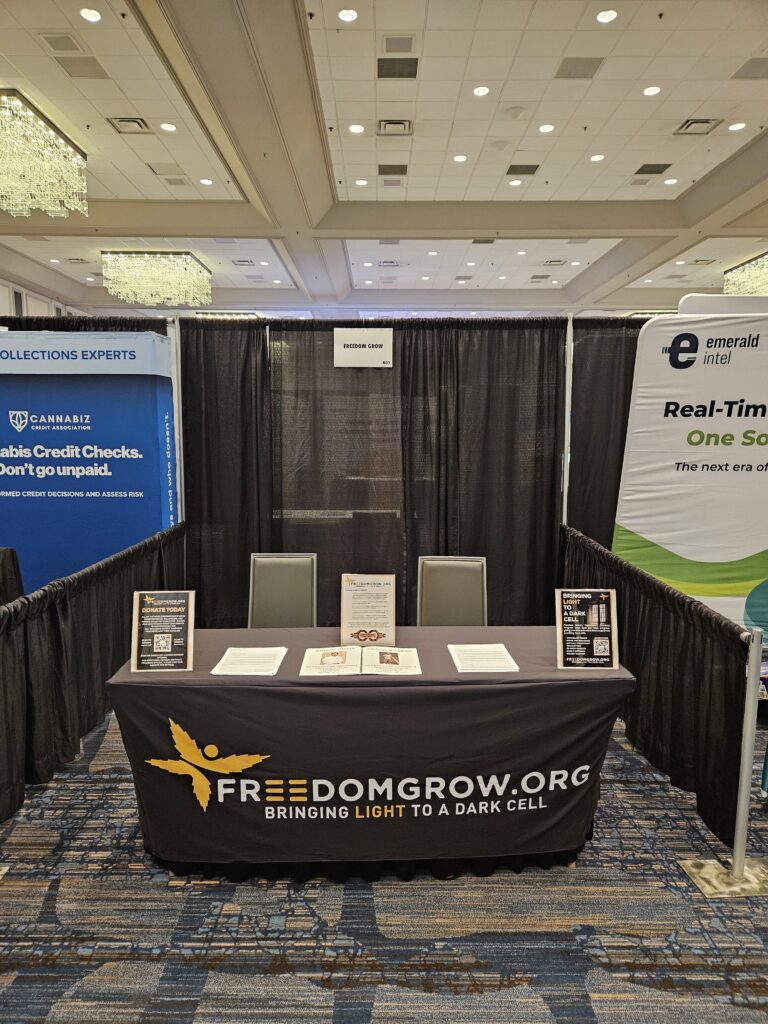
The conference listed Freedom Grow among its trusted partners, and the agenda included “Freedom Isn’t Finished: Cannabis, Clemency, and the Work Still Ahead” — a session focused on the reality that cannabis reform has opened markets while people remain incarcerated or burdened by convictions tied to the same plant.
That matters deeply.
The Debt the Industry Cannot Afford to Ignore
At Beard Bros, this is personal. We can talk about capital, cannabis M&A, retail strategy, brand alignment, AI search, hemp beverages, Schedule III cannabis, and investor risk all day. Those conversations matter. But none of them erase the fact that people are still sitting in prison for cannabis while others build companies, raise money, and cut ribbon at dispensary grand openings.
If the cannabis industry matures economically but fails morally, then what exactly are we building?
Freedom Grow’s work is a reminder that cannabis justice cannot be treated as old news. Clemency, reentry support, family assistance, commissary funds, visibility, and cannabis advocacy are still part of the unfinished work. The plant may be legal in more places, but freedom has not caught up with the headlines.
IgniteIt deserves credit for continuing to make room for that conversation in front of people who have influence, money, platforms, and responsibility.
After Hours Still Matter, Because Deals Are Built on Trust
No proper cannabis conference recap would be complete without talking about what happens after the official programming ends.
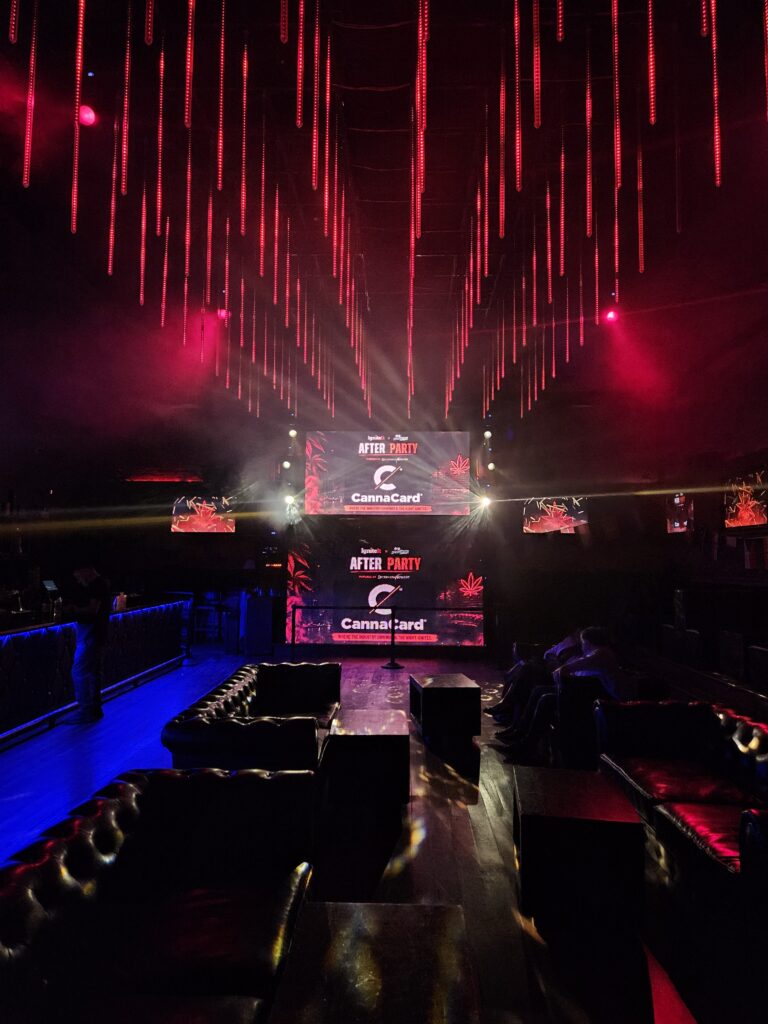
Beard Bros Pharms, CannaCard and IgniteIt teamed up again for the third official IgniteIt Chicago after party, held June 15 at Tunnel Chicago from 9 PM to midnight.
And let’s be honest — some of the best cannabis business conversations do not happen under stage lights. They happen when people loosen up enough to speak plainly. They happen in the corner of a party, walking to the next venue, splitting a car, standing outside, or having the kind of conversation that starts with business and ends with, “Damn, we should actually work together.”
That is not unprofessional. That is cannabis.
This industry was built on relationships long before it had investor decks, compliance consultants, and LinkedIn carousels. Trust still matters. Character still matters. Reputation still matters. Who you are when nobody is moderating the panel still matters.
Cannabis Is Growing Up, But It Better Not Forget Who Raised It
IgniteIt Chicago 2026 showed a cannabis industry that is maturing, but not comfortably. Capital is interested, but more selective. Federal cannabis reform is moving, but not cleanly. Hemp is growing, but under threat. Cannabis retail is evolving, but brutally competitive. Brands are learning that storytelling, data, distribution, and execution all need to work together. Cannabis operators are being forced to get smarter, leaner, and more honest about what actually works.
That is a good thing.
But there is a warning in it too.
The Tension Every Operator Has to Hold
As cannabis becomes more professional, it must not lose its human touch. When new capital returns, it cannot be allowed to erase the industry’s rich culture. Furthermore, federal reform should advance without opening a backdoor for pharmaceutical capture and big-business consolidation. Finally, rising compliance standards must not be weaponized to eliminate the small operators, craft producers, legacy brands, and independent retailers who have already survived prohibition, raids, stigma, prison, and decades of government hypocrisy.
The next version of the legal cannabis market will be built by the people who can hold both truths at once: this industry needs better business discipline, and it still owes a debt to the culture that made legalization possible.
Why Beard Bros Keeps Showing Up
IgniteIt Chicago 2026 worked because it brought those tensions into the same room. It was polished, but not sterile. Business-focused, but not soulless. Capital-driven, but not completely disconnected from cannabis advocacy. Strategic, but still rooted in the kind of face-to-face relationship building cannabis has always run on.
For Beard Bros, that is why these events matter. We are not just there to shake hands, host parties, record content, or collect badges like industry Pokémon. We are there because cannabis is still being written in real time, and the people who show up are helping decide whether this thing becomes another captured industry or something with enough backbone left to be worth fighting for.
IgniteIt Chicago 2026 made one thing clear: the future of cannabis will not belong to the loudest people in the room. It will belong to the ones who can build, adapt, tell the truth, protect the culture, and still make the math work.
That is not easy.
But nobody who actually came from cannabis ever expected easy.
Frequently Asked Questions
IgniteIt was launched in 2025 by former Benzinga Cannabis executives as a dedicated media and events platform for the cannabis industry. The conference featured more than 120 thought leaders and approximately 2,000 attendees.
Key themes included cannabis federal rescheduling (Schedule III), the CLIMB Act, cannabis banking reform, hemp-derived cannabinoids, cannabis M&A, retail strategy, cannabis media, institutional capital access, and social equity and justice through Freedom Grow.
No. As discussed at IgniteIt Chicago 2026, Schedule III rescheduling is not full legalization. It doesn’t automatically resolve banking restrictions, public listings, or conflicts with federal drug law in adult-use markets. The CLIMB Act was flagged as a potential bridge toward broader financial access in the meantime.
The CLIMB Act is proposed federal legislation discussed at IgniteIt Chicago 2026 as a potential pathway to improve financial access for cannabis businesses while the industry pushes for more comprehensive federal cannabis reform.
The November 12 federal deadline highlighted at IgniteIt Chicago 2026 could significantly impact how hemp-derived cannabinoids, CBD, and hemp beverages are regulated under federal law compared to licensed cannabis products.