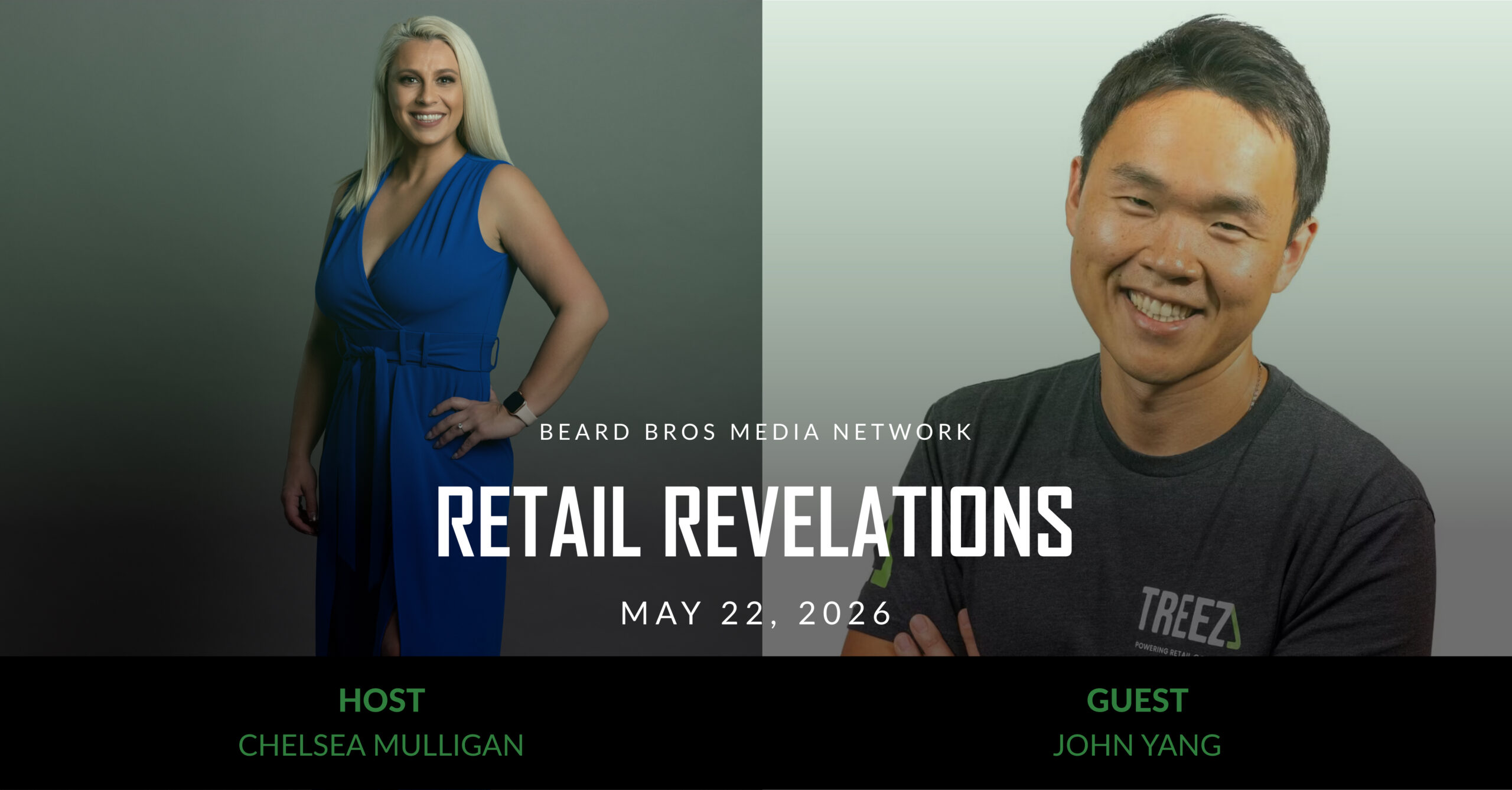
In a recent episode of Retail Revelations, industry expert Chelsea Mulligan, known as the Dispensary Whisperer, delved into the core challenges and innovations shaping cannabis retail today. Sponsored by Green Tank, a leader in vape hardware technology, the discussion highlighted critical issues—from operational compliance to tech-driven growth strategies—that license holders must navigate to succeed.
With over ninety dispensaries managed or triaged and more than 130 licenses touched nationwide, Mulligan’s expertise lies in transforming chaos into compliance and fostering teams that genuinely want to work. Her extensive experience includes working with regulators, FDA inspectors, legacy operators, and court-appointed receivers—all aimed at building sustainable, efficient systems.
The Evolution of Cannabis Software and the Role of AI
Mulligan was joined by John Yang, CEO of Treez, who shared his journey from the tech boom of the 1990s to the burgeoning cannabis industry. Yang’s story underscores how technological innovation—particularly AI—has become a game-changer for dispensaries. Treez powers hundreds of dispensaries across a dozen states, offering solutions beyond point-of-sale, including inventory management, e-commerce, payments, loyalty, and analytics.
Yang emphasized that many operators still grapple with siloed systems—using QuickBooks, Excel, and patchwork software—which hampers efficiency. He pointed out that in the United States, supply and demand misalignments often lead to excess SKUs, dead inventory, and lost revenue. For example, analyzing e-commerce search data reveals that a dispensary might have thousands of SKUs, yet only a fraction meet actual customer demand. If a product like “Moonrock” or “Kikoko” is searched for but unavailable, it drives customers elsewhere, impacting sales and loyalty.
Operational Mistakes and Decision Fatigue
Yang highlighted that many dispensaries still carry too many SKUs—sometimes over a thousand—without aligning their inventory to actual customer searches or loyalty cohorts. This disconnect creates decision fatigue among staff, who are overwhelmed managing dashboards, reports, compliance tasks, and inventory issues. The high staff turnover common in cannabis retail exacerbates this challenge, leading to inconsistent operations and missed opportunities.
He advocates for AI tools like Winston, Treez’s AI teammate, which synthesizes data across systems—vendor invoices, competitor pricing, customer behaviors, and security footage. Winston automates tasks such as invoice processing, promotion tracking, and even vendor communication, saving operators hours and reducing errors. Yang envisions AI as a proactive assistant that not only automates routine tasks but also provides insights—like identifying shrinkage or internal theft—allowing dispensaries to respond swiftly.
Closing the Mental Health and Safety Gaps
Beyond operational efficiencies, industry leaders stress the importance of supporting the mental health of cannabis workers and consumers. U.S. statistics reveal that nearly 80% of male suicides are by men, and the national suicide rate among men is approximately 22 per 100,000—significantly higher than women. Mental health challenges like depression, anxiety, PTSD, and substance abuse often go unspoken due to stigma, especially in male-dominated industries.
Yang points out that natural therapies like CBD can play a role in supporting mental well-being, helping reduce anxiety, improve sleep, and promote relaxation—crucial for the high-stress environment of retail operations. Promoting open conversations and community support networks is vital to fostering healthier, more resilient teams.
The Future of Cannabis Retail
Yang is optimistic about the rapid pace of AI adoption in cannabis retail. He predicts that within two years, most operators will integrate some form of AI into their workflows—whether knowingly or not—to enhance profitability and operational clarity. The key, he says, is balancing automation with human connection. Winston is designed to serve as a behind-the-scenes teammate—handling back-office tasks—so staff can focus on providing excellent customer service.
Yang concludes with a note of hope: despite supply shocks, taxation issues, and competition from the black market, cannabis operators are resilient. AI tools like Winston and innovations in technology will empower them to scale smarter, operate more efficiently, and ultimately, support longer, healthier lives for consumers and staff alike.
As Mulligan reminds us, embracing technological innovation and fostering open communication are crucial steps toward a sustainable, compliant, and thriving cannabis industry. With the right tools and mindset, the next decade promises unprecedented growth and positive impact.
- Beard Bros Media Network Correspondent Spotlight: Chelsea Mulligan
- Chelsea Mulligan Shares Her Journey and Insights on Cannabis Industry
- Retail Cannabis Industry Insights: Chelsea Mulligan Hosts Groundbreaking Conversations with Sandra Bergman on Loyalty, Compliance, and Growth Strategies
- With AI Grow, Scaled Automation Leads to Cultivation Optimization
- Boon Greenhouse Consultancy Partners With AI Grow To Offer Cutting-Edge Automation Solutions For Controlled Agriculture