


For seven long months, American basketball player Jarred Shaw sat in a prison in Indonesia, facing the terrifying possibility of a death sentence. His crime? Possessing THC-infused gummies he used to manage the symptoms of Crohn’s disease. Earlier this week, an Indonesian court handed down its verdict: 26 months in prison. While this sentence is an obvious relief compared to the initial threat of capital punishment, it casts a harsh light on the severe consequences of outdated cannabis laws around the world.
The case began in May when Shaw, a 35-year-old All-Star in the Indonesian Basketball League, was arrested after receiving a package from Thailand containing the edibles. Indonesian authorities initially framed the case as drug trafficking, a charge that carries the country’s most severe penalties, including death. The narrative was that Shaw was a distributor, not a patient using cannabis for a documented medical condition.
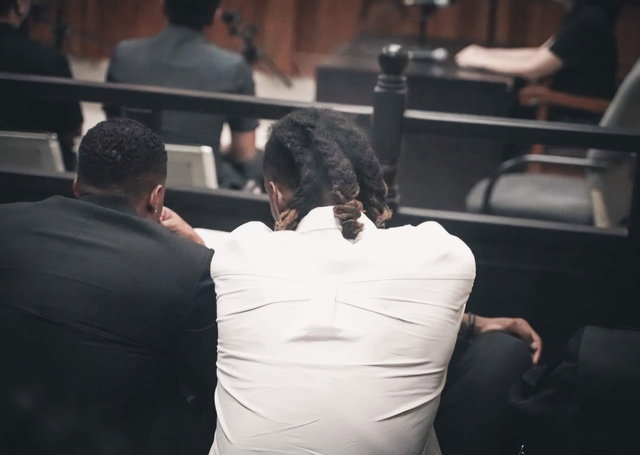
Fortunately, Shaw’s legal team, with the help of International Humanitarian Negotiator & Criminal Justice Advocate Donte West, was able to shift this narrative. They successfully proved that the THC gummies were for his personal medical use to treat Crohn’s disease, a chronic inflammatory bowel condition he has battled since his college basketball days at Oklahoma State. This led the court to drop the trafficking chargers, essentially sparing his life.
Indonesia has some of the harshest narcotics laws in the world. This outcome avoids that but still a lot of work to do Jarred isn’t in the best of health so he needs medical parole to treat his infection.
This couldn’t happen without Jolly Roger and his team. Special thanks to Richard, Frances and everyone at LHS law firm including Yudi at LGN media. – Donte West, International Humanitarian Negotiator & Criminal Justice Advocate
A Lesser Sentence, But a Greater Injustice
A 26-month prison sentence for using cannabis as medicine is a victory only when the alternative is a firing squad. For Shaw, it means he has a chance to one day return home to his family. But the verdict itself is a ever-present reminder of a global problem. Shaw is not a trafficker. He is a patient who was forced to seek relief outside of conventional channels and is now being punished for it in a country with some of the strictest drug laws in the world.
The absurdity of his situation highlights a glaring disconnect in how cannabis is treated globally. While countries like Thailand have flipped and flopped around cannabis legalization, at one point creating a legal marketplace for products like the ones Shaw used, neighboring nations like Indonesia maintain a zero-tolerance policy. A medical gummy in one country can become a capital offense just across the border.
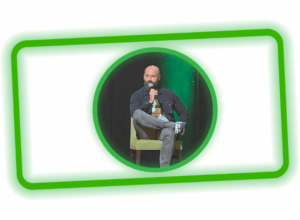
Shaw shared his experience with the Daily Mail: “I used CBD to treat my medical condition. Without Donte West guiding the legal team, I’m not sure if the Indonesian court would have accepted me being a user, not a distributor of narcotics.”
The Problem Isn’t Just Abroad
It’s tempting for Americans to view Shaw’s case as a cautionary tale about the dangers of foreign legal systems. However, the same fundamental injustice is happening right here at home. Even as more than half of the United States has legalized cannabis for recreational use and forty states have some sort of medical cannabis allowed, tens of thousands of people remain incarcerated for cannabis-related offenses.
These are not kingpins or violent criminals. Many are serving lengthy sentences for possessing amounts of cannabis that are now perfectly legal to buy in state-licensed dispensaries. The hypocrisy is staggering. People are building wealth in the legal cannabis industry while others, disproportionately people of color, are losing years of their lives behind bars for the very same plant.
The fight to end cannabis prohibition is not just about the freedom to use a plant for recreation or wellness. It’s a fight for social justice. It’s about rectifying the wrongs of a decades-long drug war that has shattered families, destroyed communities, and criminalized millions for non-violent offenses. While a 26-month sentence feels like a win for Jarred Shaw, it’s a reminder that our work is far from over.
What’s Next?
Jarred Shaw’s case is a powerful symbol of the global struggle for cannabis legalization and criminal justice reform. His sentence is both a personal victory and a systemic failure. It shows that while progress is possible, the world still has a long way to go in treating cannabis with logic and compassion rather than fear and punishment.
We must continue to advocate for the release of all non-violent cannabis prisoners, both at home and abroad, and push for sensible laws that reflect the reality of cannabis as a form of medicine and a tool for wellness. Only then will stories like Jarred Shaw’s become relics of an unjust past.
Images courtesy of Donte West