

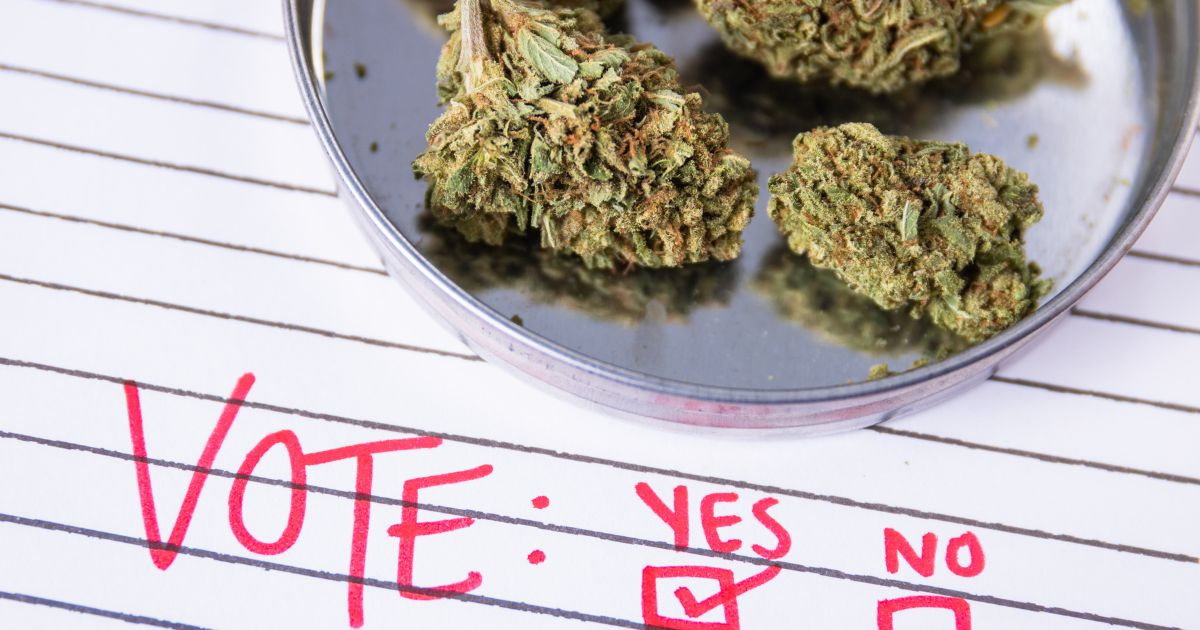



The much-discussed effort to dismantle Maine’s recreational cannabis market has hit a major roadblock. A campaign seeking to repeal the state’s adult-use legalization law failed to submit the required number of signatures by the February 2026 deadline, meaning the question will not appear on the November ballot this year.
This t serves as a temporary reprieve for the state’s cannabis industry, which has grown to become a significant economic engine since voters approved legalization in 2016. However, while the immediate threat for 2026 has passed, the campaign behind the repeal has signaled that they aren’t giving up just yet.
The Deadline Passes Without Submission
To qualify for the November 2026 ballot, the prohibitionist group Mainers for a Safe and Healthy Future needed to submit 67,682 valid signatures to the Secretary of State’s office by February 2. This number represents 10% of the total votes cast in the last gubernatorial election—a standard threshold for citizen initiatives in the state.
Despite significant financial backing, including a reported $2 million donation from the anti-cannabis organization Smart Approaches to Marijuana (SAM) Action, the campaign failed to turn in any petitions by the deadline.
Deputy Secretary of State for Communications Jana Spaulding confirmed via the Cannabis Business Times, that the cannabis petitions were not returned, marking a significant stalling point for the opposition. This failure effectively pushes any potential vote on the matter to November 2027 at the earliest, provided the group can gather the necessary support by the next deadline in June 2027.
What Was at Stake?
The initiative, officially titled “An Act to Amend the Cannabis Legalization Act and the Maine Medical Use of Cannabis Act,” proposed a drastic overhaul of the state’s current laws. It wasn’t simply a call for tighter regulations; it was a fundamental rollback of the adult-use market.
If passed, the measure would have:
- Ended recreational sales: Licensed adult-use retailers, cultivators, and manufacturers would have been forced to cease operations or transition into the medical market by January 1, 2028.
- Banned home grow: The initiative sought to repeal the provision allowing adults to grow cannabis plants for personal use, a right that has been central to Maine’s legalization framework.
- Imposed new medical restrictions: The proposal included stricter tracking and testing mandates for the medical cannabis program, which many caregivers argued would be overly burdensome and designed to squeeze out small businesses.
The campaign’s rhetoric focused heavily on public safety and the need for stricter regulation, citing concerns over the illicit market. However, opponents—including industry stakeholders and bipartisan lawmakers—argued that repealing the legal market would essentially hand control back to unregulated operators, undermining the very safety goals the initiative claimed to uphold.
Controversial Tactics to Repeal Maine Recreational Cannabis
The signature-gathering process itself was marred by controversy. Reports surfaced of paid canvassers allegedly misrepresenting the initiative to voters. State Representative David Boyer (R) shared evidence of a signature gatherer claiming the petition was merely to “ensure product safety with enhanced testing requirements,” omitting the fact that it would ban recreational sales entirely.
Maine Secretary of State Shenna Bellows acknowledged these complaints but noted that her office had limited authority to police the speech of signature gatherers, citing First Amendment protections. This allowed the campaign to continue its efforts despite accusations of deceptive practices.
Furthermore, the funding behind the campaign raised eyebrows. Because SAM Action is a 501(c)(4) “social welfare” organization, it is not required to disclose its donors. This influx of money allowed out-of-state interests to finance a significant political disruption in Maine without transparency regarding who was footing the bill.
A Bipartisan Rejection of Prohibition
One of the most notable aspects of this saga has been the bipartisan defense of the legal cannabis market. Although people often view marijuana policy through a partisan lens, opposition to this repeal effort crossed party lines.
David Jones, a Republican gubernatorial candidate, publicly criticized the initiative, calling it “really dumb.” He argued that the state should focus on solving actual problems rather than dismantling a successful legal industry that generates hundreds of millions in revenue.
Similarly, Rep. David Boyer warned that the repeal would be “economic suicide,” noting that the cannabis industry in Maine now rivals the lobster, potato, and blueberry sectors in economic impact.
This unity suggests that the regulated market has become deeply integrated into Maine’s economy and culture, making any attempt to remove it a politically risky move.
What Happens Next?
While the 2026 ballot is off the table, the fight is not over. Under Maine law, the campaign does not have to start from scratch. The signatures they have already collected may still be valid, and they now have until June 8, 2027, to reach the required threshold for the November 2027 election.
This extension gives the prohibitionist campaign more time to reorganize and potentially deploy more resources. It also gives the cannabis industry and advocates a longer runway to educate the public about the benefits of the regulated market and the specific dangers of this repeal effort.
For now, Maine’s adult-use operators can breathe a sigh of relief. Business will continue as usual, but the looming threat of a 2027 vote reminds everyone that the battle for legalization is never truly over. The industry will need constant vigilance and continued advocacy to protect the progress made over the last decade.
- Maine’s Recreational Cannabis Repeal Effort Gets The Green Light To Gather Signatures
- Massachusetts Adult-Use Cannabis Repeal Likely to Proceed Despite Fraud Claims
- Arizona’s Adult-Use Cannabis Legalization Threatened by Proposed Repeal Amendment
- Maine’s New Ballot Initiative Seeks to Overturn Voter-Approved Cannabis Legalization
- A New Bill Seeks to Repeal the Federal Hemp Ban