


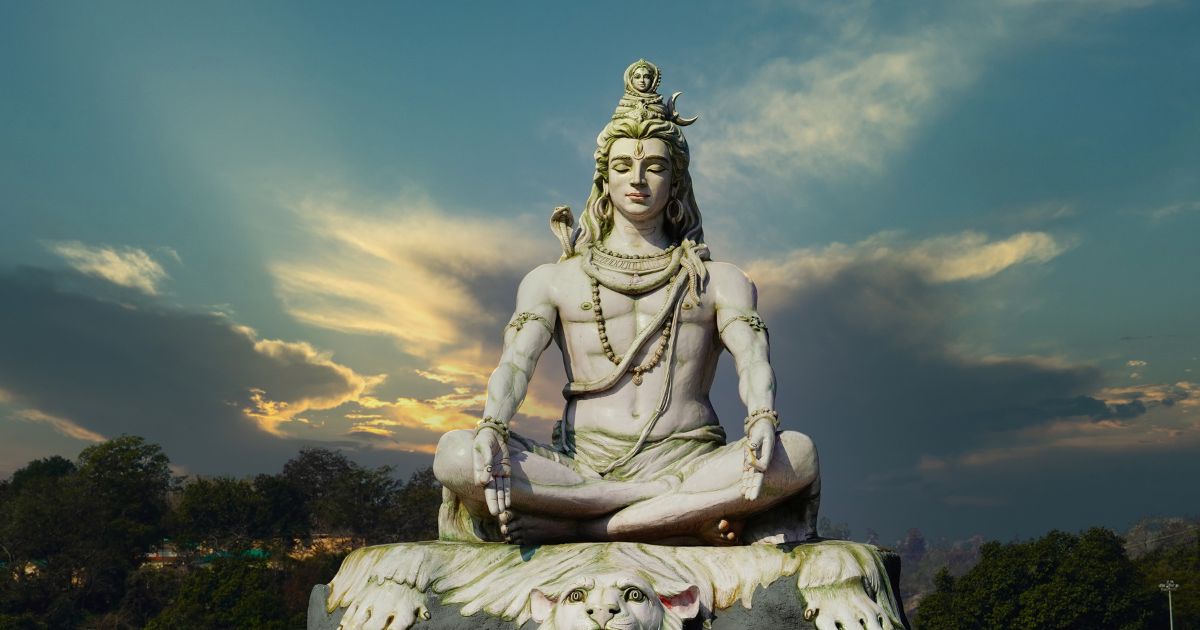



On February 15, 2026, Kathmandu pulsed with a kind of energy that cannot be replicated, only experienced. Maha Shivaratri, the Great Night of Shiva, returned to Nepal’s capital and transformed the sacred grounds of Pashupatinath Temple into the spiritual center of the country. Tens of thousands of devotees gathered along the Bagmati River to honor Lord Shiva through prayer, fasting, chanting, and nightlong vigil.
This year, as in years past, another element filled the air alongside incense and temple bells.
Cannabis smoke drifted across the temple complex, rising from clusters of ash-covered sadhus and devotees who see the plant as intertwined with the mythology and symbolism of Shiva himself. The images traveled quickly around the world, prompting fascination, curiosity, and debate. Yet to understand why this happens each year, and why it continues to spark headlines, you have to understand both the festival and Nepal’s complicated history with cannabis.
What Happened in Kathmandu This Year
By early morning on Shivaratri, lines stretched far beyond the temple gates. Pilgrims from across Nepal and neighboring India arrived in waves, many having traveled for days. The Pashupatinath Temple complex, already one of the most sacred Hindu sites in South Asia, became a living river of humanity.
Inside the temple grounds, devotees offered prayers and sacred water to the Shiva lingam. Many fasted throughout the day in preparation for night worship. As darkness settled over Kathmandu, the spiritual intensity only grew. Fires flickered near the ghats along the Bagmati River. Religious songs echoed through loudspeakers. Drums beat steadily as worshippers kept vigil through the night.
Among the most photographed figures were the sadhus, Hindu holy men who often travel great distances to gather at Pashupatinath during Shivaratri. Their bodies smeared with ash, dreadlocked hair piled high, they sat cross-legged in meditation or spoke with visitors about faith, renunciation, and the path of Shiva. Many openly smoked cannabis, a practice long associated in certain ascetic traditions with devotion to Shiva.
Although cannabis is illegal in Nepal under normal circumstances, authorities traditionally take a tolerant approach during Shivaratri. The cultural and religious association is strong enough that enforcement visibly relaxes for the night. The result is an unusual dynamic where the law remains unchanged, yet its application bends in recognition of tradition.
For international observers, the sight can appear contradictory. For many Nepalese, it feels familiar.
Shivaratri has always been both sacred and intense, and the presence of cannabis has been part of that texture for generations.
The Spiritual Meaning of Maha Shivaratri
Maha Shivaratri is one of the most important festivals dedicated to Lord Shiva, one of the principal deities of Hinduism. Observed on the fourteenth night of the waning moon in the month of Phalguna, usually falling in February or March, it marks a moment of profound spiritual significance.
In many traditions, Shivaratri commemorates the cosmic dance of Shiva, symbolizing creation, preservation, and destruction. Other narratives associate the night with the marriage of Shiva and Parvati. Across regions and sects, the core emphasis remains the same. This is a night of spiritual discipline, introspection, and devotion.
Unlike many Hindu festivals that center on daytime celebrations, Shivaratri is defined by the night. Devotees remain awake, chanting mantras and offering prayers in cycles throughout the dark hours. The vigil itself carries meaning. Staying conscious through the night represents the triumph of awareness over ignorance and light over darkness.
In Nepal, this spiritual practice unfolds on a massive scale. Pashupatinath Temple, dedicated to Shiva in his form as Pashupati, Lord of Beings, stands as the country’s holiest Hindu site. Located on the banks of the Bagmati River and recognized as part of the Kathmandu Valley UNESCO World Heritage listing, the temple has drawn pilgrims for centuries.
During Shivaratri, the temple complex becomes more than a place of worship. It becomes a living embodiment of devotion. The sacred geography amplifies the experience. The river, the shrines, the cremation ghats, and the ancient architecture all contribute to the intensity of the night.
Why Cannabis Is Associated with Shiva
The presence of cannabis during Shivaratri is not an accidental modern addition. In several strands of Shaivite tradition, cannabis has been culturally associated with Shiva. Folklore and devotional narratives portray the deity as linked to the plant, and in some ascetic communities, cannabis is used in ritual contexts.
For certain sadhus, smoking cannabis is viewed as part of their spiritual discipline. It is believed to aid meditation, detach the mind from worldly distraction, and align the devotee with the qualities attributed to Shiva. It is important to note that not all worshippers participate, and practices vary widely across Hindu communities. However, the association is strong enough that during Shivaratri, cannabis use becomes highly visible.
This visibility does not mean the festival is defined by intoxication. For the vast majority of participants, the focus remains prayer, fasting, and devotion. Yet the cultural symbolism of cannabis remains interwoven with the imagery of the night, particularly in Nepal where large numbers of sadhus gather in one place.
Nepal’s Cannabis History: From Legal Trade to Prohibition
To fully understand the tension surrounding Shivaratri and cannabis, one must look back at Nepal’s modern history.
During the 1960s and early 1970s, Kathmandu became a major stop on the so-called hippie trail. Cannabis was widely available, and Nepal gained an international reputation as a destination for travelers seeking both spiritual exploration and easy access to marijuana. The area around what became known as Freak Street in Kathmandu was famous for its cannabis shops.
This era ended in the mid-1970s when Nepal criminalized marijuana under international pressure and shifting global drug policies. Licensed cannabis sales disappeared, and possession became punishable under the law. Yet cultural memory and religious tradition did not vanish.
Since prohibition, Nepal has lived with a layered reality. Cannabis is illegal under national law. At the same time, it continues to appear in religious contexts and in rural cultivation. Periodic public discussions have emerged about legal reform, including proposals related to medicinal use and regulated cultivation for economic development. So far, significant policy change has not materialized.
Shivaratri exposes this tension each year. When thousands openly smoke cannabis at the country’s most sacred temple and authorities largely look the other way, it highlights the gap between written law and lived tradition.
A Festival That Mirrors a Nation
The 2026 celebration of Maha Shivaratri did more than draw crowds and produce dramatic images. It once again placed Nepal at the intersection of faith, culture, and modern governance.
For many devotees, the night was deeply personal. It was about prayer, about staying awake in honor of Shiva, about joining a river of believers who have done the same for centuries. For sadhus, it was an opportunity to gather, to reconnect, and to express their devotion in visible ways.
For policymakers and observers, the night served as a reminder that cultural traditions do not always fit neatly into contemporary legal frameworks. The tolerance shown during Shivaratri does not resolve the broader debate about cannabis reform in Nepal. It simply postpones it.
Yet perhaps that is part of the festival’s enduring power. Maha Shivaratri is not just a religious observance. It is a living tradition that forces questions about identity, continuity, and change. It asks how a modern nation honors ancient belief systems while navigating global expectations and domestic law.
In 2026, as fires burned along the Bagmati River and chants echoed through the night, Nepal once again demonstrated that Shivaratri is more than a date on a calendar. It is a sacred convergence of history and present reality. The smoke rising over Pashupatinath was not merely symbolic of cannabis use. It was symbolic of something deeper: a culture that continues to negotiate its past and its future in full public view.