

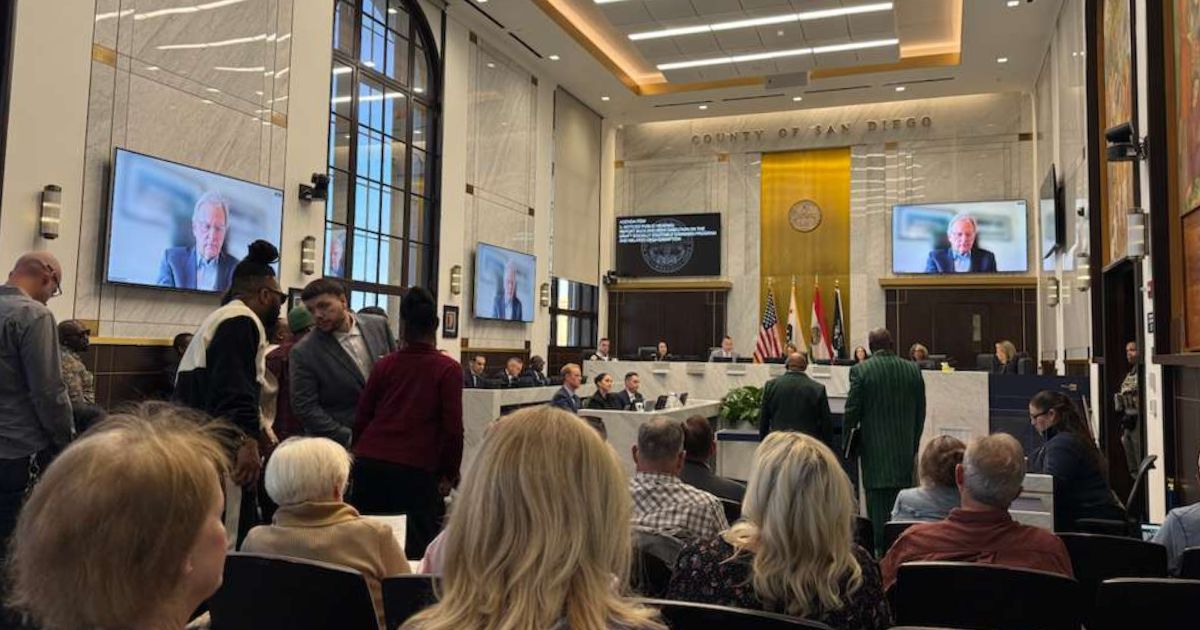



On Wednesday, January 14, 2026, the San Diego County Board of Supervisors voted 3–2 to advance the County’s Socially Equitable Cannabis Program by aligning it with existing State law. During a lengthy public hearing featuring more than 60 speakers, cannabis operators, social equity advocates, and industry professionals turned out in strong support of Option A, the least restrictive of the three program alternatives presented. Their participation and testimony played a meaningful role in informing the Board’s decision.
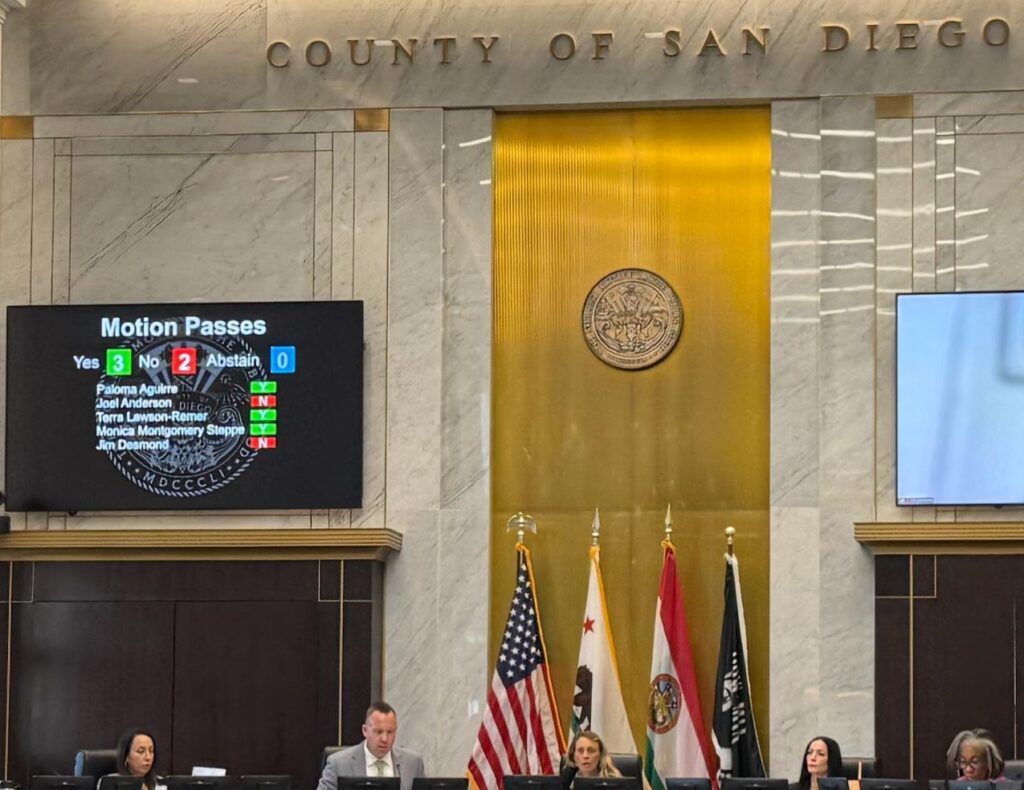
By selecting Option A, the Board directed County staff to move forward with drafting an ordinance that will allow cannabis licensing to proceed in the unincorporated areas of the County. Consistent with the program’s equity goals, Social Equity Applicants will receive priority access during the initial application period, followed by non–social equity applicants. This vote marks a significant shift from the County’s 2017 prohibition on new cannabis uses, which halted industry growth and allowed only five (5) grandfathered dispensaries to continue operating.
Under Option A, all cannabis facility types will be permitted subject to local land use approval, business licensing, and State licensure. Allowed uses include indoor, mixed-light, and outdoor cultivation; manufacturing; distribution; testing; retail; microbusinesses; temporary cannabis events; and onsite consumption lounges. The option applies the State-mandated 600-foot buffer from schools, day cares, and youth centers, without expanding buffers or adding additional locally defined sensitive uses.
Option A offers the most consistent and predictable regulatory framework by mirroring State standards. By limiting buffers to those required by State law, it preserves the greatest number of eligible parcels, reducing barriers to entry—particularly for small operators and social equity applicants. County staff emphasized that the program will include robust operational safeguards governing odor control, lighting, water use, security, and enforcement to mitigate impacts on surrounding communities.
Overall, Option A prioritizes equity, regulatory clarity, and economic opportunity while maintaining public health and safety protections. Supporters underscore that alignment with State law avoids unnecessary restrictions that could undermine market participation and allows San Diego County to implement a regulated cannabis program using standards already proven effective across California.
What’s Next?
With the Board’s direction now set, County staff will prepare a draft ordinance for future consideration. The ordinance is expected to return to the Board of Supervisors for review and potential adoption in the summer of 2026.

Kelly focuses her legal practice on Cannabis and Hemp Law. Since 2014, Kelly’s been working with a wide range of cannabis and hemp clients from small farmers to large corporations. She handles a wide array of cannabis and hemp matters including, state and local licensing applications, regulatory compliance, zoning and land/use issues, corporate and business transactions, as well as business litigation. Kelly has successfully obtained commercial cannabis licenses for numerous clients throughout the state of California.