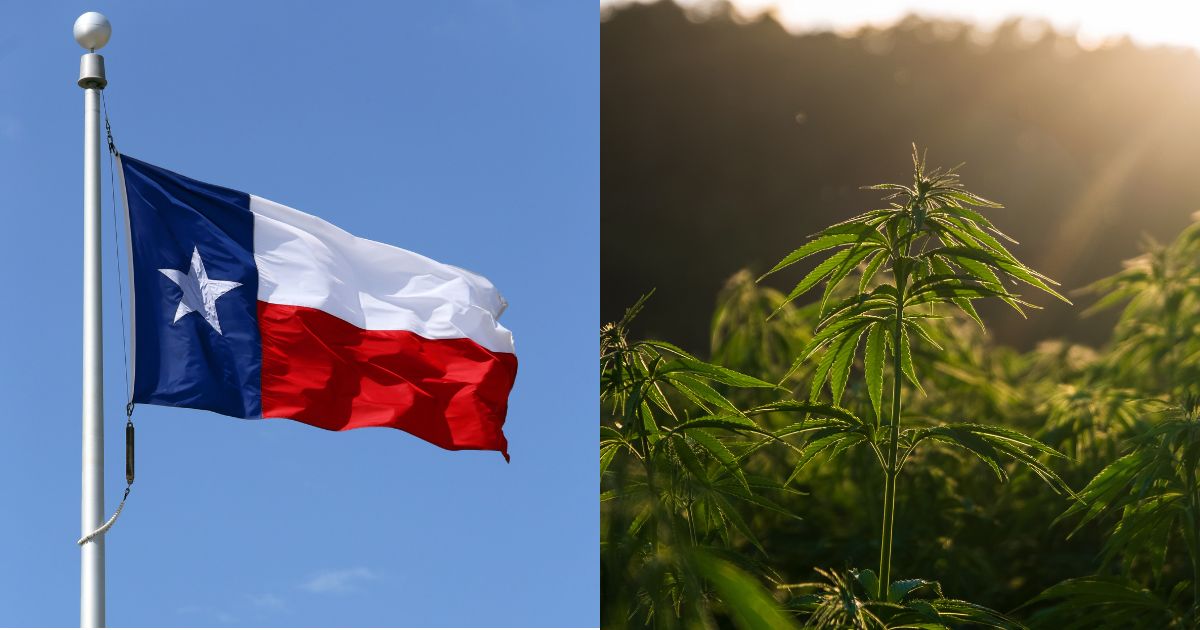
A Texas district judge recently issued a temporary restraining order that halts the enforcement of strict new regulations on the hemp industry, within the state. These rules, which officially took effect at the end of March, effectively banned the sale of smokable hemp products and drastically increased licensing fees for operators across the state. Now, the ban is on pause, granting a temporary lifeline to thousands of retailers and manufacturers.
For industry veterans, this sudden legal pivot feels incredibly familiar. The cannabis and hemp markets constantly operate in a state of regulatory whiplash. Entrepreneurs establish their operations under one set of guidelines, only to face new agency rules, legislative hurdles, or court injunctions a few months later. This ongoing cycle of changing rules forces business owners to remain highly adaptable just to survive.
Push for Stricter Hemp Regulations in Texas
The conflict centers around new guidelines issued by state health agencies. These regulations changed how the state calculates the legal limit of THC in hemp products.
Following the legalization of hemp in 2019, state law defined legal hemp as containing less than 0.3 percent of Delta-9 THC. Manufacturers quickly realized they could cultivate hemp plants rich in THCA. When left unheated, THCA is non-intoxicating, keeping the products legally compliant. However, when a consumer ignites and smokes THCA flower, it converts into Delta-9 THC.
State health regulators recently moved to close this loophole. They introduced a “total THC” testing requirement. This new testing protocol accounts for the potential conversion of THCA into Delta-9 THC after decarboxylation. By enforcing a strict 0.3 percent threshold on total THC, the state effectively banned popular products like pre-rolled joints and smokable flower buds.
Beyond product bans, the new rules created massive financial hurdles for operators. The regulations increased retail registration fees from a modest $155 up to $5,000 per location. Manufacturing licenses experienced an even steeper climb, jumping from $250 to $10,000 per facility.
State officials argued these changes were necessary to protect consumers and align with upcoming federal guidelines. However, retailers immediately felt the financial strain, with many pulling products from their shelves to avoid severe penalties.
The Constitutional Challenge
Hemp industry advocates quickly mobilized, filing a lawsuit to block the new regulations. They argued that state health agencies overstepped their legal authority.
The core of their argument relies on the separation of powers. In a previous legislative session, lawmakers attempted to pass a total ban on these products, but the governor vetoed the measure.
The lawsuit claims that state agencies cannot implement rules that effectively rewrite the law when the legislature itself failed to enact those changes. By changing the legal definition of hemp from a Delta-9 standard to a total THC standard, the agencies bypassed the constitutional lawmaking process.
The judge found enough merit in these arguments to grant a temporary restraining order, pausing the product ban until a more comprehensive hearing could take place, and according to the Texas Tribune will be held until April 23rd.
A Familiar Cycle of Uncertainty
The temporary pause on the smokable hemp ban highlights a defining characteristic of the cannabis sector: extreme regulatory instability. The yo-yoing of regulations is simply par for the course for anyone operating in this space. Business owners frequently invest heavily in inventory, marketing, and staff, only to watch the legal foundation of their business shift overnight.
This environment requires immense resilience. When hemp was first legalized federally and at the state level, the market exploded with new ventures. Operators celebrated the newfound economic opportunity.
Yet, almost immediately, state agencies and lawmakers began attempting to walk back those freedoms, citing public health concerns and unintended consequences.
Entrepreneurs find themselves caught in a constant tug-of-war between expanding markets and tightening state oversight. This uncertainty makes long-term planning incredibly difficult. Securing investments, signing commercial leases, and hiring staff all carry heightened risks when a single agency ruling can render your primary revenue stream illegal.
What This Means for Texas Retailers
For now, the temporary restraining order allows Texas retailers to place smokable hemp products back on their shelves. Consumers can continue to purchase their preferred products without the immediate threat of store closures. However, the relief is entirely provisional.
The court will hold subsequent hearings to determine if a permanent injunction is warranted. If the state successfully defends its rule changes, the ban will resume, and the steep licensing fees will likely force many smaller operators out of the market entirely.
If the hemp industry prevails, it will cement a significant legal victory protecting businesses from regulatory overreach. Either way, operators must remain cautious, keeping their inventory lean and their legal strategies ready.
Frequently Asked Questions (FAQ)
A state district judge issued a temporary restraining order that halts the enforcement of new rules banning the sale of smokable hemp products until April 23rd. The order specifically pauses the state’s ability to penalize businesses for selling items that exceed the new “total THC” testing threshold.
State health agencies stated that the new regulations were designed to protect public safety and align Texas with upcoming federal guidelines regarding hemp definitions. They targeted the “total THC” calculation to close a loophole that allowed non-intoxicating THCA products to be sold and later smoked for an intoxicating effect.
No. The temporary restraining order primarily focused on the product bans and the total THC testing requirements. The massive increases in licensing fees for retailers and manufacturers were not explicitly blocked during the initial hearing, leaving many businesses still facing severe financial burdens.
The hemp industry claims that state health agencies violated the separation of powers. Because the state legislature failed to pass a bill banning these products, advocates argue that unelected agency officials do not have the constitutional authority to implement a ban through internal rulemaking.
The temporary restraining order is only a short-term measure. The court has scheduled further hearings to evaluate whether to issue a temporary injunction, which would pause the rules for the entire duration of the lawsuit. A final, permanent decision will likely take months of legal proceedings to resolve.
- Lawmakers In Hawaii Move Forward With Marijuana Decriminalization Bill
- 2019 Smokable Hemp Ban Restored by Texas Supreme Court
- Texas Smokable Hemp Ban Goes Into Effect on March 31st
- Texas Consumable Hemp Ban Proposed Rules Threaten Smokable Hemp and Small Businesses
- New York Cannabis Shops Get Reprieve After State Snafu