

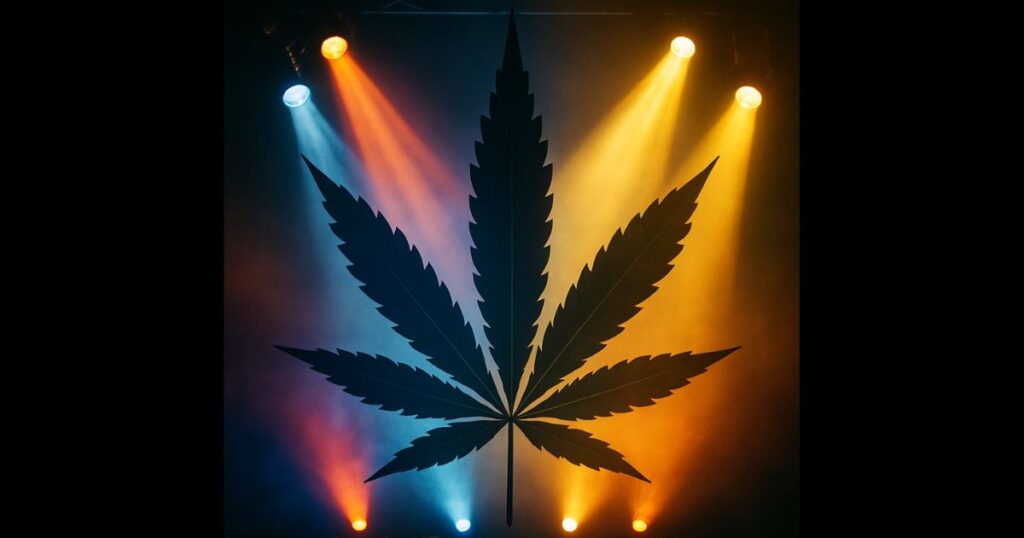
Marilyn Manson’s 1998 anthem wasn’t just about drugs—it was about commodification. About how society fetishizes rebellion, packages it, sells it back to you, then discards you when the next trend arrives. And nowhere is that cycle more visible today than in the cannabis industry.
“We’re all stars now, in the dope show.”
The song critiques Hollywood’s superficiality and America’s obsession with image over substance. Manson described it as commentary on how the entertainment industry and, by extension, American culture uses people, glamorizes vice, then punishes those same behaviors when the cameras stop rolling.
Sound familiar?
That’s exactly what’s happening to cannabis and the people who built this movement.
From Outlaws to Influencers to… Nothing
Cannabis culture has always existed in that strange space between celebration and condemnation. One decade we’re watching Pineapple Express and Half Baked, laughing at stoner stereotypes. The next, we’re arresting Black and brown communities at disproportionate rates for the same plant white entrepreneurs are now profiting from.
“The drugs, they say, make us feel so hollow / We love in vain, narcissistic and so shallow.”
This isn’t just about weed. It’s about who gets to participate in the culture, who gets punished, and who profits.
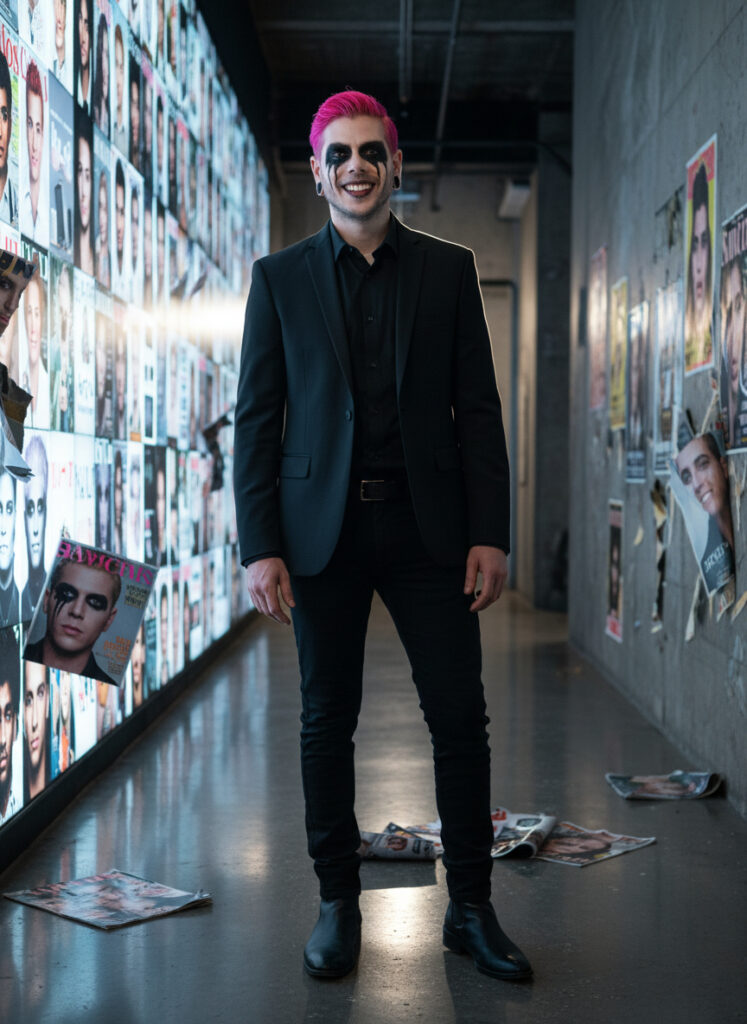
The Hot-and-Cold Reality
You see it everywhere:
- Legalization momentum, then sudden federal roadblocks
- Media glorification of cannabis entrepreneurs, then algorithm suppression of creators
- Corporate investment flooding in, while small growers and legacy operators get pushed out
- Medical research finally advancing, yet veterans still can’t access cannabis through the VA
It’s a performance. A dope show. And we’re the talent that gets used, celebrated, then discarded when convenient.
The Glam and the Grind: Who Really Benefits?
Manson’s critique of California—the epicenter of image, entertainment, and yes, cannabis—hits different now: “The drugs, they say, are made in California / We love your face, we’d really like to sell you.”
California legalized. Colorado pioneered. States saw tax revenue skyrocket. Dispensaries became boutique experiences. Cannabis became chic.
But here’s the rub:
- Homegrowers in states like New Jersey still face criminal charges for one plant
- Medical patients in Pennsylvania had to fight for Ryan’s Law just to use cannabis in hospitals
- Equity applicants struggle to compete with multi-million-dollar operations
- Content creators watch their accounts disappear overnight
We built this culture. We endured the stigma, the arrests, the mockery. Now corporations rebrand it as “wellness,” charge $60 for an eighth, and we’re still fighting for basic acceptance.
Cannabis vs. The Accepted Vices
Let’s talk about the elephant in the room—or rather, the beer at the football game.
Alcohol: The Socially Acceptable Poison
You can’t watch a single sporting event without alcohol ads. Bud Light. Coors. White Claw. It’s everywhere. We celebrate getting drunk. We normalize binge drinking at tailgates, weddings, holidays.
Yet cannabis—which has never caused a fatal overdose—remains federally illegal.
Alcohol kills over 140,000 Americans annually. Cannabis? Zero direct deaths.
But try bringing a joint to that same football game.
Prescription Drugs: The Medical Industrial Complex
Then there are pharmaceuticals. Opioids ravaged communities. Benzodiazepines create dependency. Antidepressants are handed out like candy with minimal follow-up.
But suggest cannabis as an alternative for PTSD, chronic pain, or sleep disorders? You’re “promoting drug use.”
Tobacco: The Grandfather Clause of Hypocrisy
Cigarettes are legal. Sold in every gas station. Despite killing 480,000+ Americans per year.
But cannabis—which can be vaporized, eaten, or applied topically—is the problem?
“There’s lots of pretty, pretty ones that want to get you high / But all the pretty, pretty ones will leave you low and blow your mind.”
The accepted vices are the ones that make money for the right people. Cannabis threatens that model. So it stays in limbo—legal enough to tax, illegal enough to control.
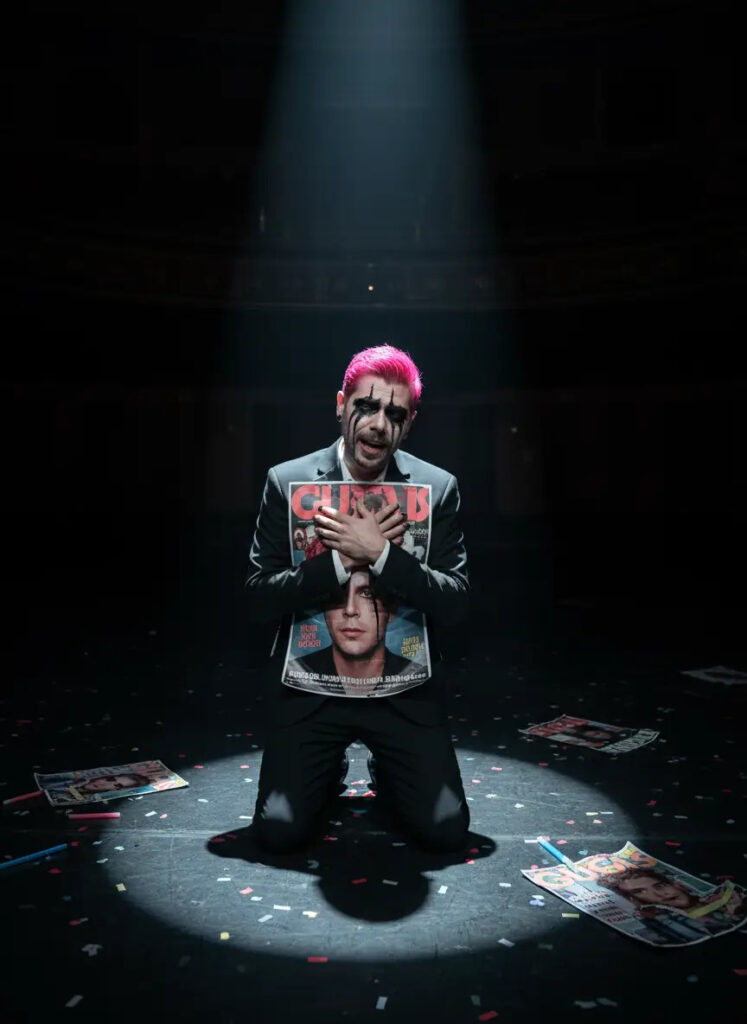
The Creator’s Dilemma: Shadow Banned in the Dope Show
If you’re a cannabis educator, grower, or advocate online, you know the struggle:
- Instagram deletes your account
- YouTube demonetizes your videos
- TikTok shadow bans your content
- Facebook flags your grow guides as “drug-related activity”
Meanwhile, beer brands and pharmaceutical companies run ads uninterrupted.
We’re doing the work. Educating. Advocating. Building community forums, hosting events, interviewing industry leaders. And platforms treat us like criminals.
Manson’s line hits hard: “We’re all stars now, in the dope show.”
We’re visible. We’re trending. But we’re expendable. The algorithm giveth, and the algorithm taketh away.
Marilyn Manson’s Stance: Rebellion as Performance Art
It’s worth noting that Manson himself has been relatively measured about cannabis. In interviews, he’s acknowledged using it but never positioned himself as an advocate in the way he has for artistic freedom and anti-censorship causes.
That’s actually the point.
The Dope Show wasn’t about glorifying drugs. It was about exposing the hypocrisy of a culture that glamorizes vice, profits from it, then punishes individuals for participating.
Cannabis culture is living that critique in real-time.
A Father, One Plant, and the Cost of Inconsistency
You mentioned the story of the father in New Jersey—one plant. Not a grow operation. Not distribution. One plant for personal use in a state that doesn’t allow homegrow despite legalization.
That’s the absurdity we’re living in.
He wasn’t hurting anyone. He was exercising autonomy over his own wellness. And now he faces criminal penalties that could cost him his job, his stability, his family.
While a dispensary down the street, owned by investors who never risked arrest, sells the same plant legally.
That’s the dope show. That’s the con.
Bridging the Gap: Cannabis as Medicine, Not Menace
Cannabis should be a bridge between industries:
- Alcohol could benefit from cannabis-infused beverages
- Tobacco could pivot to vaporization and harm reduction
- Pharmaceuticals could integrate cannabinoids into pain management and mental health treatment
Instead, these industries lobby against legalization to protect their market share.
And the people who suffer? Patients. Veterans. Communities of color. The very people cannabis could help most.
As we’ve written before, cannabis and psychedelics represent a shift in how we approach healing—but only if we stop gatekeeping access.
The Real Issue: Who Decides What’s “Acceptable”?
Here’s the uncomfortable truth:
The people making these decisions—legislators, regulators, corporate boards—often have zero lived experience with cannabis.
They’ve never:
- Watched it ease a veteran’s PTSD
- Seen it replace opioids for chronic pain
- Used it to cope with grief or trauma
- Grown a plant from seed to harvest
They operate from stigma, not science. From profit motive, not public health.
And that’s why cannabis remains in this purgatory—celebrated in private, criminalized in public.
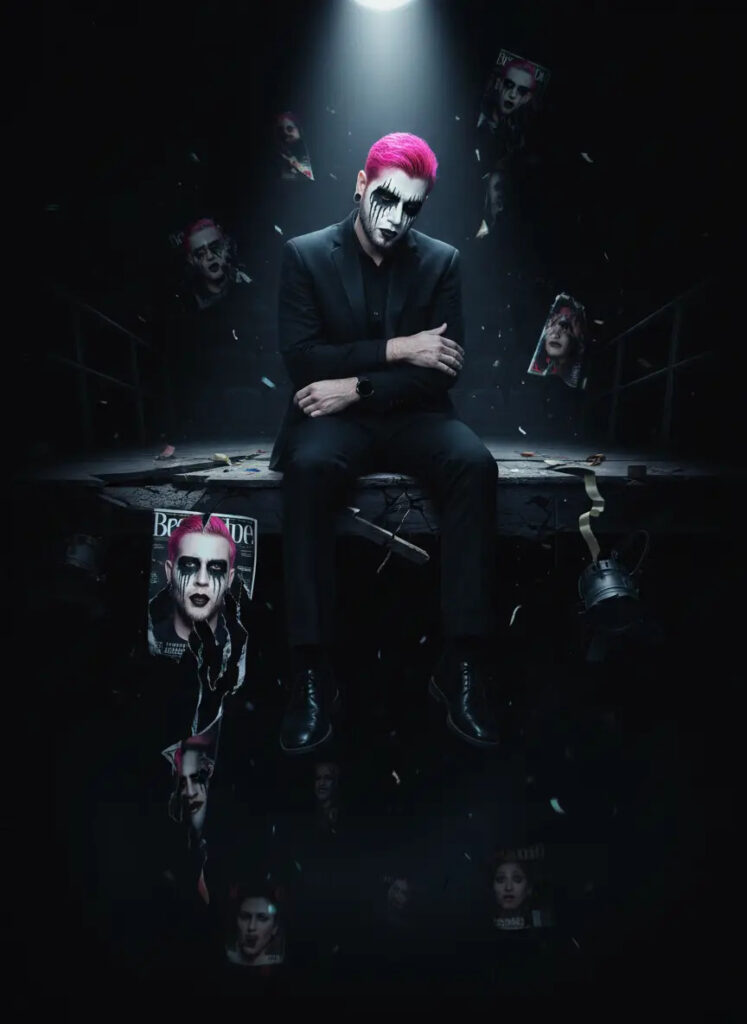
Moving Forward: Reclaiming the Narrative
So what do we do?
1. Keep Building Community
Platforms like MadManPlant’s forum and local events create spaces where real education happens away from corporate gatekeepers. You can tap into both through the MadManPlant Community forum and live events.
2. Amplify Equity Voices
Support legacy operators, social equity programs, and creators who were here before legalization was profitable.
3. Educate Relentlessly
Share grow guides. Host interviews. Publish research. Make the case so clear that ignorance is no longer an excuse.
4. Advocate for Consistent Policy
Homegrow rights. Federal legalization. Expungement. Veterans’ access. These aren’t radical demands—they’re basic justice.
5. Refuse to Be Disposable
We’re not props in someone else’s dope show. We’re the culture. We built this. And we’re not going anywhere.
Want to Be Part of the Movement?
Join the MadManPlant Community, explore our grow series, and connect with others who refuse to be silenced.
Because the dope show doesn’t end—it evolves. And we’re just getting started.
The Show Must Go On But We Write the Script
Marilyn Manson understood something fundamental: America loves a spectacle, but it hates the performers once the curtain falls.
Cannabis culture is that spectacle. We’re trending. We’re profitable. We’re cool.
Until we’re not.
But here’s the thing—we don’t need their permission anymore.
We have the science. We have the community. We have the stories of healing, resilience, and transformation that prove cannabis’s value.
So let them keep playing their games. Let them shadow-ban us, tax us, regulate us into oblivion.
We’ll keep growing. Keep educating. Keep advocating.
Because this isn’t just about a plant. It’s about autonomy. Justice. And the right to choose healing on our own terms.
We’re all stars now, in the dope show.
And this time, we’re not letting anyone else write the ending.
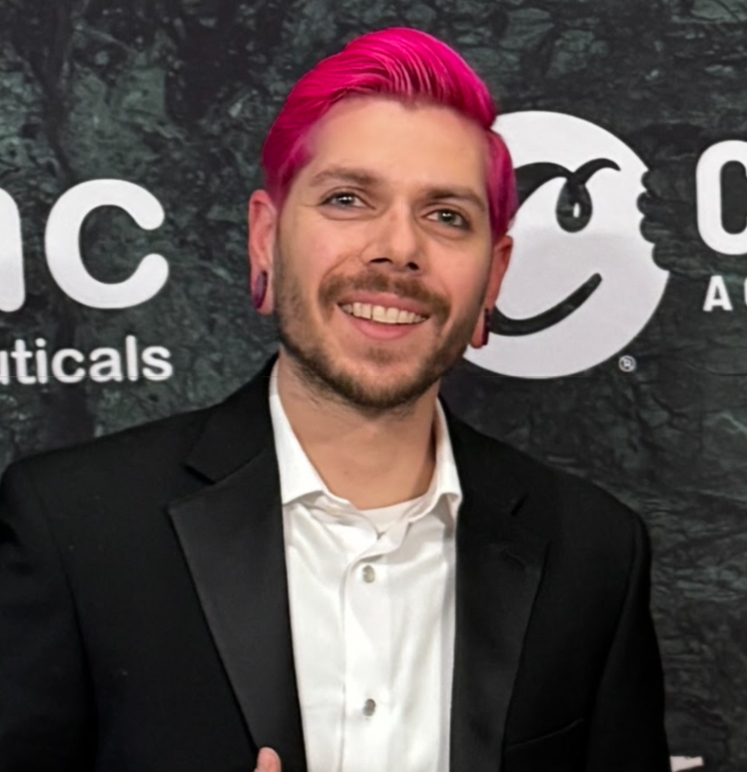
Stefan Walter is the founder of MadManPlant, a cannabis education and culture platform focused on policy, stigma, and harm-reduction. What began as home growing during a period of personal burnout became a framework for discipline, mental health, and advocacy. Through MadManPlant, Vindec EU, and GoodLuckStef Productions, Stefan challenges selective narratives around drugs, public safety, and who gets to participate in emerging industries.