Key Takeaways
- The TSA now allows TSA medical marijuana in carry-on and checked bags, but with unclear ‘Special Instructions.’
- The recent change acknowledges that some medical cannabis is no longer strictly illegal under federal law after its reclassification to Schedule III.
- Travelers must carry proper documentation for state-licensed medical marijuana and remain cautious about local laws where they are flying.
- The TSA has yet to define critical details, such as quantity limits and documentation requirements for medical marijuana.
- Upcoming DEA hearings could further change federal cannabis regulations, impacting the TSA’s policies.
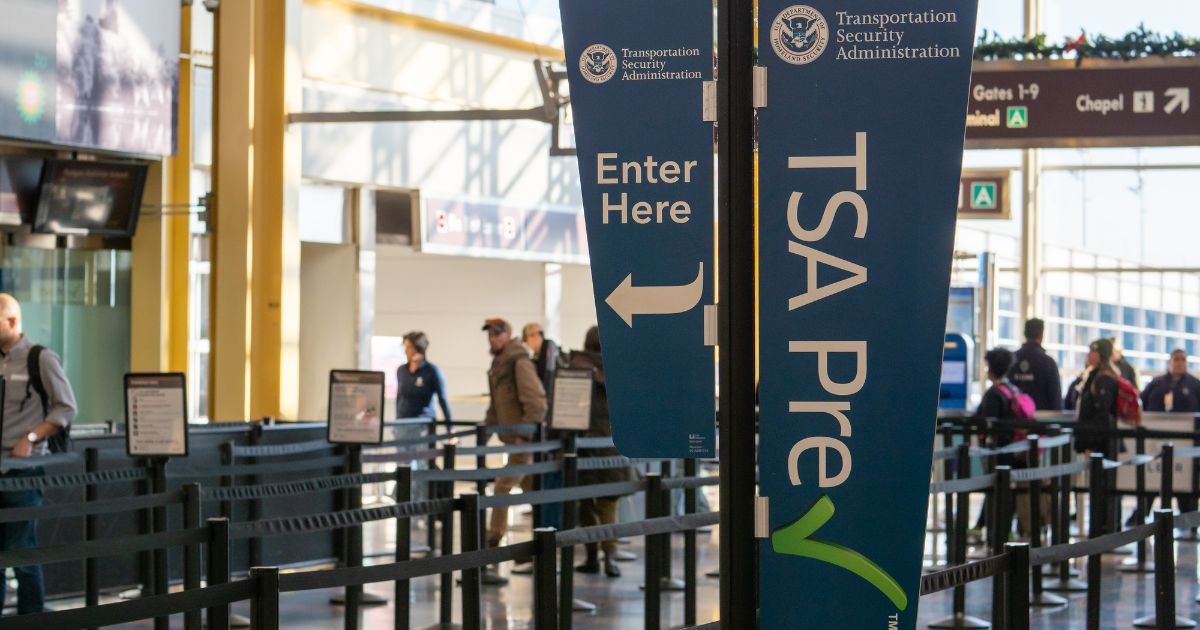
The Transportation Security Administration (TSA) updated its official website to allow medical marijuana in carry-on and checked bags with “Special Instructions.” This change aligns with a recent Department of Justice order moving state-licensed medical cannabis to Schedule III, though exact travel protocols and documentation requirements remain undefined.
Anyone who works in the cannabis industry—or just travels frequently—knows the open secret about airport security: the Transportation Security Administration (TSA) has largely ignored personal amounts of cannabis for years. Their primary mission is aviation safety, meaning they are looking for explosives and weapons, not a vape pen or a packet of gummies tucked into a toiletry bag. For a long time, the agency’s official stance remained strictly prohibitionist, even as officers on the ground turned a blind eye. Now, however, the official policy is finally starting to catch up with reality.
What Exactly Did the TSA Change About Flying with Medical Marijuana?
On April 27, 2026, the Transportation Security Administration updated the “Medical Marijuana” section of its “What Can I Bring?” online tool. The agency stripped away a longstanding paragraph that explicitly declared marijuana illegal under federal law.
Furthermore, the agency altered its standard search disclaimer. The previous language stated that TSA security officers do not search for “marijuana or other illegal drugs.” The newly updated text simply states that officers do not search for “illegal drugs.”
By removing the specific word “marijuana,” the Transportation Security Administration is acknowledging that under the new federal posture, some forms of cannabis are no longer classified as strictly illegal. The website now explicitly lists medical marijuana as permitted in both carry-on bags and checked bags, accompanied by the parenthetical note: “Special Instructions.”
According to the Department of Justice [2026], Acting Attorney General Todd Blanche issued an order placing FDA-approved marijuana products and state-licensed medical marijuana into Schedule III of the Controlled Substances Act. Because the TSA operates under federal jurisdiction, this rescheduling directly forced the agency to revise its internal and public-facing policies to accommodate legally recognized medical cannabis patients.
How Does the New Schedule III Classification Affect Medical Cannabis Patients?
The recent Schedule III reclassification is narrower than many mainstream headlines suggest. The Department of Justice did not legalize all cannabis across the board. Instead, the April 23 order specifically moved two distinct categories into Schedule III: FDA-approved medications containing cannabis derivatives (such as Marinol and Epidiolex) and marijuana products regulated under a qualifying state-issued medical license.
This creates a distinct legal boundary. A state-licensed medical product purchased by a registered patient in Florida is now recognized as a Schedule III substance under federal law.
Conversely, a recreational cannabis product purchased legally under California state law remains a Schedule I substance federally. The legal status of the cannabis in your luggage now depends entirely on the regulatory provenance of the product and the specific medical documentation you carry.
For the medical patient, this federal acknowledgment is a massive step forward. It provides a level of legitimacy that the cannabis community has fought decades to achieve.
However, this fragmented approach to rescheduling means that recreational consumers are left in the exact same legal gray area they occupied before the policy shift. If you are flying with recreational cannabis, federal law still views it as contraband, and the updated TSA policy offers no protective cover.
Why are the TSA’s “Special Instructions” Causing Confusion for Travelers?
The most glaring issue with the updated Transportation Security Administration policy is the complete lack of operational guidance. When the agency uses the “Special Instructions” designation for other permitted items—like firearms or oversized medical liquids—they provide detailed protocols on how to travel compliantly. For medical marijuana, these instructions simply do not exist yet.
The TSA has failed to define several critical operational details, including:
- What specific documents satisfy the requirement for a state-issued medical license.
- Whether there are any strict quantity limits for traveling patients.
- If the medical cannabis must remain in its original, sealed dispensary packaging.
- How officers should handle patients flying between two legal medical states versus flying into a state with strict cannabis prohibition.
- Which specific FDA-approved cannabis medications are covered under the new travel rules.
Without these clearly defined rules, the final decision remains entirely at the discretion of the individual TSA officer screening your bag. If an officer discovers a substance they believe is illegal, their standard protocol is to pause the screening and refer the matter to local airport law enforcement.
What Should You Know Before Flying with Cannabis in 2026?
Because local police operate under state law, a referral from the TSA can quickly become a serious legal issue depending on your location. The Transportation Security Administration does not write state law, nor do they make arrests. If you are a California medical patient flying into Texas, Georgia, or South Carolina—states known for strict cannabis prohibition—the local police called to the checkpoint will enforce local laws, regardless of the federal Schedule III update.
Choose to fly with medical cannabis only if the benefits of having your medicine immediately upon arrival outweigh the potential risks of a prolonged law enforcement encounter. If you do choose to travel, carry your physical state-issued medical marijuana card, ensure your products are clearly labeled from a licensed medical dispensary, and bring any corresponding physician recommendations.
While the TSA has not officially requested these documents, having them readily available provides the clearest evidence that your cannabis falls under the new Schedule III protections.
Looking Ahead to the DEA’s Summer Hearing on Cannabis Rescheduling
The current Schedule III designation for medical marijuana is only the first step in a much broader federal reevaluation. The Drug Enforcement Administration (DEA) has scheduled an expedited administrative hearing beginning June 29, 2026. According to the Department of Justice, this hearing will evaluate the potential rescheduling of marijuana entirely, moving it out of Schedule I for all users, not just documented medical patients.
If the Drug Enforcement Administration decides to implement a larger rescheduling action following the summer hearing, the TSA will likely be forced to update its policies yet again. A full rescheduling would theoretically eliminate the confusing barrier between medical and recreational cannabis at the airport, finally aligning federal aviation security practices with the reality of widespread state-level legalization. Until that hearing concludes and a final ruling is issued, however, travelers must navigate a highly nuanced and legally complex environment.
The quiet policy update by the Transportation Security Administration could be seen as a victory for medical cannabis advocacy, formally recognizing state-licensed medical marijuana at the federal checkpoint for the first time. However, the rollout is messy. The lack of defined “Special Instructions” places the burden entirely on the patient to understand the nuances of federal versus state law.
While the days of rampant paranoia over flying with personal amounts of cannabis are largely behind us, the rules are not entirely straightforward just yet. As the cannabis industry eagerly awaits the Drug Enforcement Administration’s summer hearing, patients must remain vigilant, carry their proper documentation, and stay informed about the specific laws of their destination states.
Frequently Asked Questions (FAQ)
Yes, according to a policy update on April 27, 2026, the TSA officially allows medical marijuana in both carry-on and checked bags, subject to undefined “Special Instructions.” This federal allowance applies specifically to FDA-approved cannabis medications and marijuana products regulated by a state-issued medical license, which are now classified as Schedule III substances.
If a TSA officer discovers what they believe to be recreational marijuana, their protocol is to stop the screening process and refer the matter to local airport law enforcement. Because recreational cannabis remains a Schedule I substance federally, local police will handle the situation based on the specific laws of the state where the airport is located.
While the TSA hasn’t published exact “Special Instructions” for flying with medical marijuana, we highly recommend keeping all products in their original, sealed dispensary packaging. Accompanying labels and your state-issued medical card provide the necessary proof that your products comply with the new federal Schedule III guidelines.
- How to Fly with Weed (and How Not To)
- Flying With Edibles? Do So At Your Own Risk With Cannabis In Airports
- NYFD, NYPD Update Policies on Drug Testing Based on Legalization
- Luxx Lighting Founders Amend Their Counterclaim in Lawsuit With Hawthorne Gardening Company
- Schedule III Is Not a Finish Line. It Is a Work Order