Key Takeaways
- The Endocannabinoid System is crucial for maintaining homeostasis and regulating vital bodily functions.
- It consists of endocannabinoids, receptors, and enzymes working together to support overall health.
- Cannabinoids like CBD and THC enhance the Endocannabinoid System by stimulating receptors and improving communication in the body.
- Stimulating the Endocannabinoid System can help restore balance, particularly for those with deficiencies or dysfunctions.
- Understanding and integrating the Endocannabinoid System can potentially treat and prevent various health issues.
In human health, the medical sector has offered abundant western medicine and recommendations to improve the bodily system. The world has long sought the Fountain of Youth or the magical elixir to bring about infinite health. However, in humanity’s search for this, the endocannabinoid system and the healthy benefits of CBD and THC within this system have been overlooked.
Now, with a hyperfocus on the most important physiologic system in the body and the realization that homeostasis, and the stability of your internal environment through endocannabinoids, THC and CBD, leads to optimal human health, humanity can finally achieve optimal health for the long term.
So, What Is The Endocannabinoid System?
In its simplest form, this complex cell-signaling system is the central system in the human body responsible for homeostasis. It consists of three elements, including endocannabinoids, receptors, and enzymes. All these components must work harmoniously to achieve overall health and that so-called Fountain of Youth.
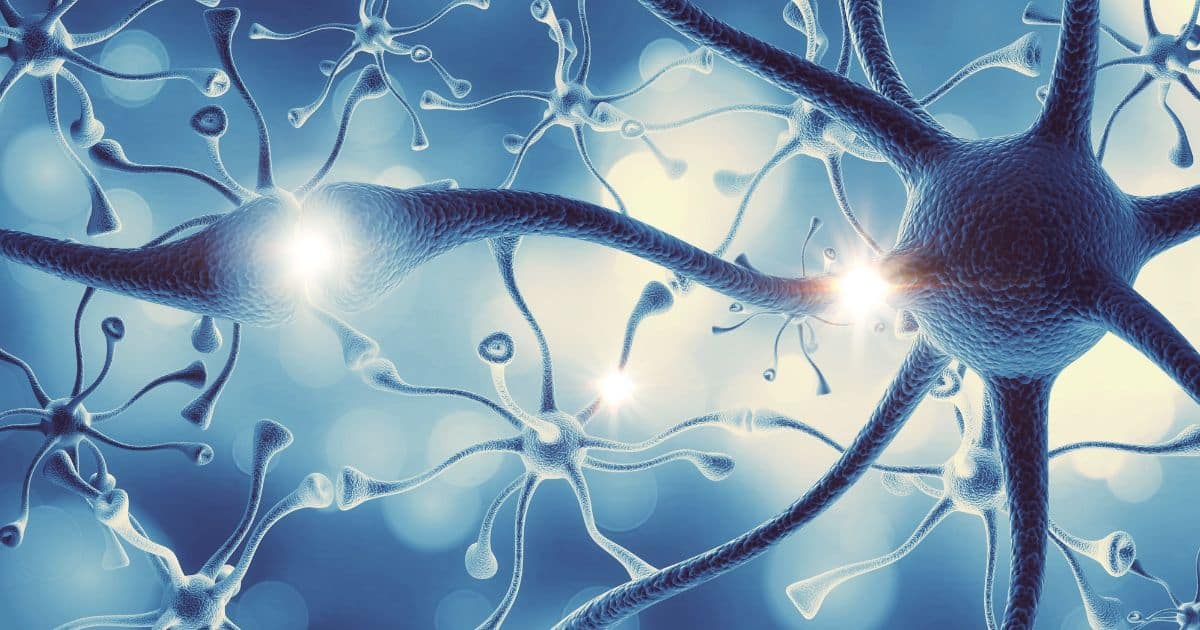
Looking deeper into the components, online sources state that endocannabinoids are molecules in the body. They’re found in the brain, glands, organs, and other parts of the body. These molecules bind to CB1 and CB2 receptors in the peripheral nervous system, which signals the endocannabinoid system to act.
The online source explains further that the endocannabinoid system performs a variety of tasks, all working together to achieve homeostasis and stabilize the internal environment.
Endocannabinoids and cannabinoids, found at the intersection of the body’s vital systems and every biological level, allow for communication and coordination between different cell types and the brain.
More specifically, about cannabinoids, online sources reveal that “Cannabinoid receptors are present throughout the body, embedded in cell membranes, and are believed to be more numerous than any other receptor system. When cannabinoid receptors are stimulated, a variety of physiologic processes ensue.“
Introducing cannabidiol (CBD) and tetrahydrocannabinol (THC) to the body and cannabinoids improves communication and coordination. CBD and THC effectively work by hijacking the body’s cellular machinery and putting it on overdrive for the better.
In addition, for those suffering from clinical endocannabinoid deficiency, low endocannabinoid levels, or ECS dysfunction, introducing CBD and THC can help restore levels of cannabinoids and homeostasis in the body.
What Doctors Are Saying About The Endocannabinoid System And CBD
The endocannabinoid system controls and regulates the most vital bodily functions. These include emotional processing, immune responses, learning, memory, temperature control, inflammatory responses, sleep, and pain control, among others. At optimal regulation and control, homeostasis is achieved with all these bodily functions working harmoniously. To jumpstart the path of homeostasis, receptors in the brain need to be stimulated by cellular receptors.
Harvard Health Publishing states, “The ECS comprises a vast network of chemical signals and cellular receptors [Cannabinoids] that are densely packed throughout our brains and bodies.” These receptors need to be stimulated for optimal homeostasis and subsequent optimal health.
While the body already produces endocannabinoids, the secret to this health elixir is to boost these endocannabinoids. Fortunately, the cannabis plant has similar molecules that act as cannabinoids and further stimulate these receptors.
Combining THC With The Endocannabinoid System
Healthline states that THC is one of the main cannabinoids found in cannabis. It interacts with your endocannabinoid system by binding with receptors, more specifically, CB1 and CB2 receptors.
Combining CBD With The Endocannabinoid System
Cannabidiol interacts with the ECS, however, in a different way than THC. While THC effectively binds to CB1 or CB2 receptors, CBD prevents endocannabinoids from breaking down and allows them to have a more significant effect on the body.
This Magic Elixir Brings Homeostasis
Combining the endocannabinoid system with CBD and THC helps every aspect of moment-to-moment functioning. From learning to memory, modulating intestinal inflammation, and resolving bowel conditions, homeostasis aids in metabolism, mood improvements, digestion, motor control, and cardiovascular system function. Other benefits include bone remodeling and growth, liver function, reproductive system function, reduced stress levels, and skin and nerve functioning.
While this endocannabinoid system is a recent discovery, or one now finally taken notice of, there is much to still explore and learn about it. For now, even on the tip of the health iceberg, it is beyond clear that a functional cannabinoid system is essential for health, and right now, it’s undoubtedly the magic elixir. And a remedy that stimulates an ancient system hard-wired in all of us and can potentially treat systems, cure disease, and possibly even prevent it.

The endocannabinoid system, commonly called the ECS, is a cell-signaling network found throughout the human body. It includes naturally produced molecules called endocannabinoids, cannabinoid receptors such as CB1 and CB2, and enzymes that create and break down endocannabinoids. Together, these components help regulate communication between the brain, nervous system, immune system, organs, and other tissues.
The primary function of the endocannabinoid system is to help the body maintain homeostasis, meaning a stable internal balance even when outside conditions change. The ECS participates in the regulation of sleep, appetite, mood, memory, pain perception, inflammation, immune activity, stress responses, metabolism, and other physiological processes. Rather than controlling only one organ or function, it acts as a broad regulatory network throughout the body.
An endocannabinoid is a cannabinoid-like signaling molecule produced naturally by the body. The two most extensively studied endocannabinoids are anandamide, also called AEA, and 2-arachidonoylglycerol, commonly called 2-AG. These molecules bind to or interact with cannabinoid receptors and help the body adjust biological activity when balance needs to be restored. Unlike cannabinoids such as THC and CBD, endocannabinoids originate inside the body rather than in the cannabis plant.
The endocannabinoid system helps regulate how cells communicate and respond to changing conditions. When the body experiences stress, pain, inflammation, hunger, changes in mood, or disruptions in sleep, endocannabinoids may be produced as needed and used to influence nearby receptors. After delivering their signals, enzymes break the endocannabinoids down. This on-demand signaling allows the ECS to help fine-tune biological activity without remaining permanently activated.
The endocannabinoid system was discovered gradually rather than in a single year. Researchers identified and cloned the CB1 cannabinoid receptor around 1990. In 1992, scientists isolated anandamide, the first known endocannabinoid. The CB2 receptor was identified in 1993, and another major endocannabinoid, 2-AG, was discovered in 1995. These findings established that the human body produces its own cannabinoid-like compounds and has a biological system designed to respond to them.