History has a funny way of circling back around—especially in the cannabis industry. It doesn’t replay events exactly the same way, but if you pay attention, the patterns start to feel uncomfortably familiar. What we’re seeing right now with the DEA’s new registration requirement for state-approved medical marijuana businesses has a lot of people cautiously optimistic. But there’s also a shadow hanging over it, one that looks a lot like 1937.
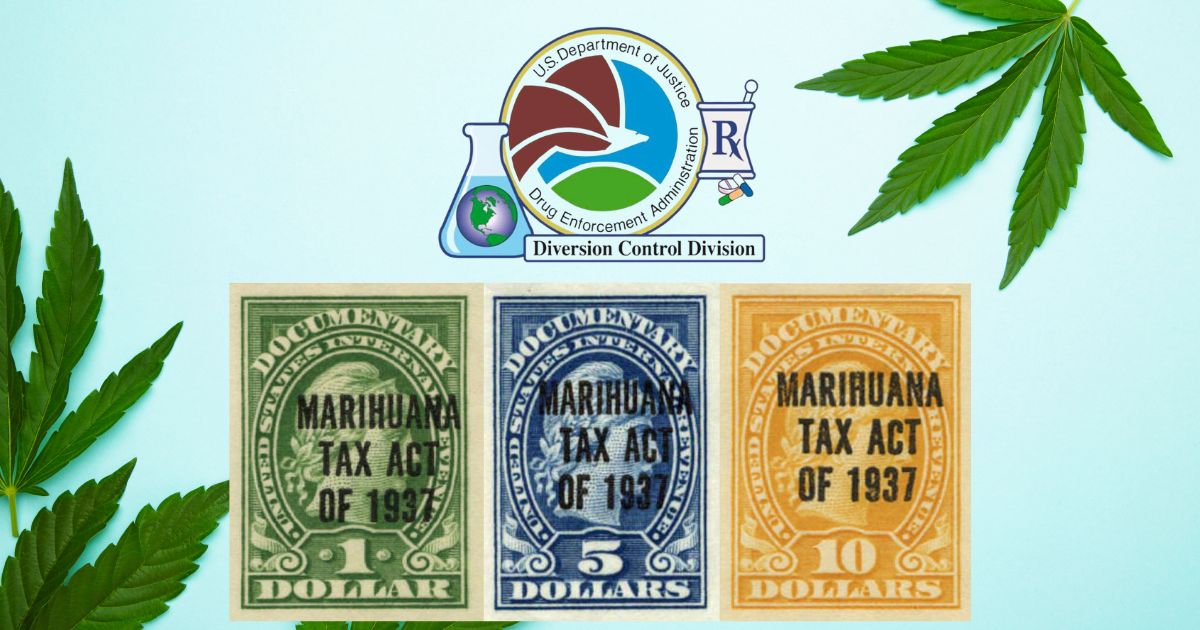
Back then, the federal government didn’t outright ban cannabis overnight. Instead, it introduced the Marihuana Tax Act, a system that required anyone handling cannabis to obtain a federal tax stamp. On paper, it looked like regulation. In practice, it was a trap. The stamps were incredibly difficult to obtain, and failing to have one was a federal crime. Doctors, farmers, and operators who tried to follow the rules often found themselves arrested. That system didn’t regulate cannabis into legitimacy—it regulated it out of existence.
A New System, A Familiar Structure
Fast forward to today, and the federal government has taken what some might argue is a major step by moving state-legal medical cannabis into Schedule III. The DEA recently opened its Medical Marijuana Dispensary Registration Portal, giving state-licensed operators a pathway to federal recognition. Some argue that this comes with tangible benefits, like relief from 280E tax burdens and the potential for expanded research.
But that recognition comes with serious conditions. Operators must apply for DEA registration, pay an annual fee of $794, and hand over highly detailed operational data. If they fail to apply, or if their application is denied, they remain exposed under federal law. Adult-use cannabis stays firmly in Schedule I territory, leaving a massive portion of the industry out in the cold.
This is where the comparison to 1937 starts to feel less like a stretch and more like a warning sign. Then, as now, the government created a system that said, “Register with us, and you can operate. Don’t, and you’re illegal.” It’s conditional permission, not true legalization.
The Illusion of Choice?
Technically, DEA registration isn’t mandatory. But in reality, the moment a business wants access to federal tax relief or institutional capital, registration becomes unavoidable. It’s the same kind of pressure that existed under the Marihuana Tax Act—comply or risk everything.
This creates a system where participation is functionally required for survival at scale. Operators who opt out aren’t just choosing a different path—they’re choosing to remain federally illegal while their competition may choose to move forward.
Handing Law Enforcement the Roadmap
The introduction of DEA registration layers federal oversight on top of state systems. And the DEA isn’t just another regulatory body; it is a law enforcement agency. It now holds the authority to grant registration, monitor compliance, and enforce violations.
Consider what happens when an operator applies for DEA registration and doesn’t get approved. In that situation, the business is left holding a state license but remains federally illegal, with a detailed application already submitted to a federal law enforcement agency. That application includes ownership information, operational details, compliance data, and security protocols—essentially a complete roadmap of the business. If enforcement priorities shift, that same information could easily become a liability. It’s a risk vector that simply cannot be ignored given the historical precedent.
The Two-Tier Industry and Pharmaceuticalization
What’s emerging from this system is a clear divide. On one side are federally registered medical operators who gain access to tax relief and a pathway toward broader legitimacy. On the other side are adult-use businesses, legacy operators, and those who either cannot or do not register. The result is a two-tier industry, where some players are elevated while others are left navigating the same risks they’ve always faced.
Furthermore, this Schedule III classification signals a gradual shift toward a more pharmaceutical-style framework. Increased oversight and clinical requirements will inevitably favor massive companies with the resources to navigate complex federal regulations. Smaller operators and social equity applicants will struggle to keep pace, further consolidating the industry into the hands of corporate players.
Descheduling Is The Best Solution
All of these regulatory hurdles, questions, and speculations point to one glaring reality: this entire mess could have been avoided if the government simply chose to deschedule cannabis altogether.
Removing the plant from the Controlled Substances Act entirely is the only way to truly normalize the cannabis industry, protect consumers, and allow businesses to operate without the looming threat of federal interference or the fear of handing their data over to the DEA. Schedule III is a choice to maintain control; descheduling would have been a choice for freedom.
Is This Progress, with a Major Caveat?
Federal recognition of medical cannabis is a milestone, but it’s not the finish line. The DEA registration system introduces new opportunities, but it also introduces profound risks. If there’s one takeaway from both 1937 and today, it’s that cannabis policy has always been about control, access, and who gets to participate. Right now, those questions are being asked again—and the answers will define the next chapter of our industry.
Key Takeaways
- The DEA has introduced a new registration system for state-licensed medical marijuana businesses, reminiscent of the Marihuana Tax Act of 1937.
- Operators must apply for DEA registration, endure costs, and provide detailed data, or risk remaining illegal under federal law.
- While technically voluntary, not registering pressures operators to comply for access to federal benefits like tax relief.
- This system creates a two-tier industry, privileging federally registered businesses and laying risks for those who opt out, risking their federal legality.
- Descheduling cannabis would eliminate these issues and truly normalize the industry, as opposed to the control implied by the DEA registration.
Many in the cannabis industry are concerned that the new DEA portal acts as a catch-22, much like the 1937 Marihuana Tax Act. Because the application requires state-legal businesses to disclose information about their operations—including whether they also handle Schedule I recreational cannabis—some fear it could expose them to federal liabilities if enforcement priorities shift.
If an operator applies and is denied, they remain federally illegal, but they have now handed over a detailed roadmap of their business, ownership, and operations to a federal law enforcement agency. This creates a massive point of exposure.
If the federal government completely descheduled cannabis, removing it from the Controlled Substances Act, state-legal operators wouldn’t have to navigate these complex regulatory hurdles. Descheduling would eliminate the need for DEA registration entirely, ending the speculation and allowing businesses to operate without the fear of federal interference.
No. The current Schedule III classification and subsequent DEA registration portal only apply to state-licensed medical marijuana and FDA-approved products. Adult-use (recreational) cannabis remains a Schedule I substance under federal law.
- Biden Becomes the First President to Sign Marijuana Research Bill
- DEA Medical Marijuana Registration Portal Officially Opens Today
- Medical Marijuana Company Files Suit Against DEA Over Licensing Delays
- An Honest Desire to Help Others is in the DNA at LeafWorks
- Panacea Plant Sciences Handed the DEA an ‘L’ on Psychedelic Prohibition and Now They’re Ready to Run it Back