Idaho stands as an island of prohibition in the Pacific Northwest. While nearly every bordering state embraces either medical or recreational cannabis, Idaho still clings to some of the harshest anti-cannabis laws in the country. Patients suffering from debilitating conditions regularly cross state lines, risking severe penalties just to access medicine that provides them relief.
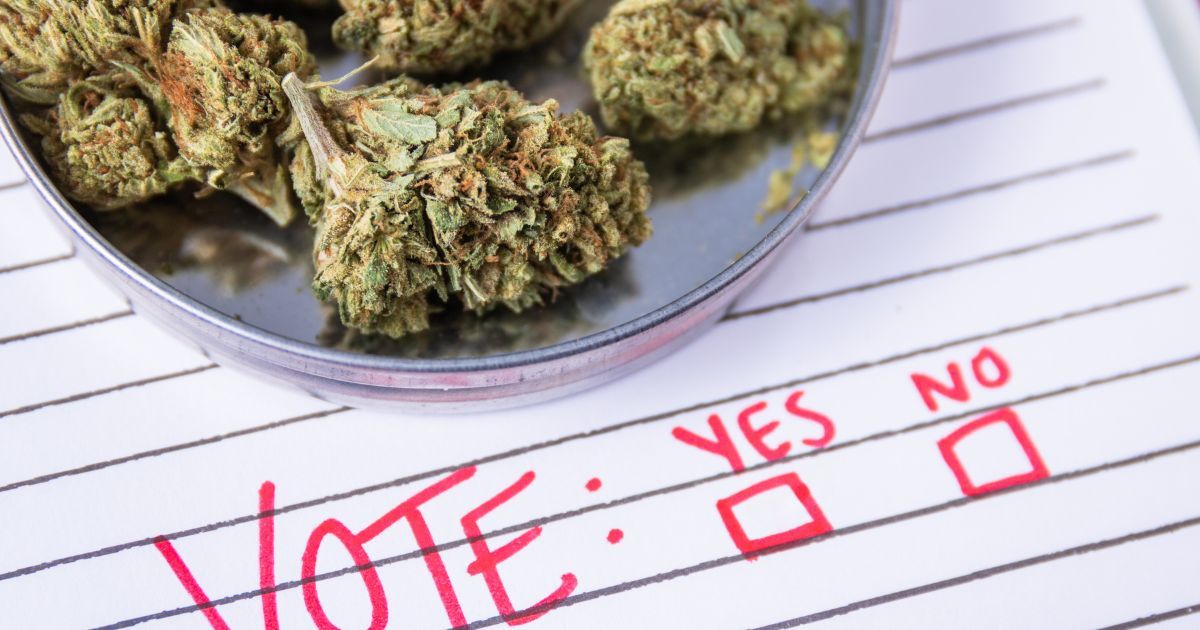
But a massive citizen-led movement is working to change that reality. Supporters of the Idaho Medical Cannabis Act recently announced a major milestone: they have collected more than 100,000 raw signatures to put medical cannabis on the November 2026 ballot, as first reported by The Idaho Capital Sun. This grassroots effort aims to bring a regulated, compassionate medical marijuana program to Idahoans who need it most.
Getting the measure on the ballot is only half the battle. State lawmakers are actively fighting the initiative, deploying outdated rhetoric and legislative maneuvers to block voters from having a say. Here is a look at what the proposed law would accomplish, why politicians are fighting it, and what it means for the future of cannabis in Idaho.
Idaho’s Current Cannabis Laws Are Some Of The Strictest in the Nation
Right now, Idaho holds the title for having some of the strictest cannabis policies in the United States. It remains one of the few states entirely lacking a medical marijuana program. Under current statutes, possessing even a tiny amount of cannabis is treated as a criminal offense. Recent legislative actions have only doubled down on this punitive approach. The state recently enacted a mandatory minimum fine of $300 for simple possession, paired with the persistent threat of jail time.
This hardline stance ignores the medical reality of thousands of residents. People battling cancer, severe epilepsy, and chronic pain find themselves treated like criminals for seeking alternatives to highly addictive opioid medications. As a result, many Idahoans take the risk of driving to Oregon, Washington, or Nevada to purchase gummies or tinctures that help manage their severe symptoms. The proposed 2026 initiative seeks to end this forced migration by establishing a safe, legal framework right at home.
What the Idaho Medical Cannabis Act Will Do
If approved by a majority of voters in November 2026, the Idaho Medical Cannabis Act, which is being spearheaded by a group called the Natural Medicine Alliance of Idaho, would create a tightly regulated program overseen by the state board of pharmacy and the Department of Health and Welfare. The initiative was written to include strict legal safeguards, ensuring that access remains purely medical while blocking widespread recreational use.
Patients will need to apply for a state-issued medical cannabis ID card, valid for one year, by submitting documentation from a qualified practitioner. The program emphasizes pharmacist oversight, requiring a licensed pharmacist to supervise the dispensing, storing, and selling of medical cannabis at authorized retail locations.
Key provisions of the legislation include:
- Qualifying conditions: Patients must be diagnosed with a substantial health condition. This includes cancer, HIV/AIDS, ALS, multiple sclerosis, PTSD, epilepsy, Alzheimer’s disease, and chronic pain that conventional medications cannot adequately manage.
- Purchase limits: Cardholders can buy up to 113 grams (about four ounces) of smokeable cannabis per month, or products containing a maximum of 20 grams of total THC. Ingestible products, like tablets and chewables, are strictly capped at 10 milligrams of THC per serving.
- Regulated access: The state will initially issue a maximum of three medical cannabis production licenses, with up to six retail locations statewide. Patients may utilize in-person delivery or designate a caregiver, but home cultivation remains strictly prohibited.
- Safety and packaging: All products must feature tamper-resistant packaging that is unappealing to children. Labels must carry clear warnings regarding intoxicating effects, addiction risks, and operating machinery.
Idaho Lawmakers Opposition and House Joint Resolution 4
Despite overwhelming public support for medical cannabis, the Idaho Legislature is pulling out all the stops to defeat the measure. Politicians recently passed a resolution urging voters to reject the Medical Cannabis Act. During floor debates, lawmakers relied heavily on prohibitionist rhetoric, claiming that legalizing medical marijuana would inevitably lead to increased violent crime, homelessness, and addiction.
Opponents frequently lean on the argument that cannabis remains federally illegal as a Schedule I substance under the Controlled Substances Act. They use this federal status to argue that Idaho cannot establish a medical program. That argument ignores the fact that 40 other states already operate successful medical cannabis programs.
Furthermore, the federal government itself has acknowledged the plant’s medicinal value. President Donald Trump signed an executive order in December of 2025 expediting the rescheduling, recognizing that millions of patients across the country use it safely for various medical conditions.
Because public polling shows massive support for medical cannabis, lawmakers are attempting to change the rules of the game entirely. The legislature placed House Joint Resolution 4 (HJR 4) on the November ballot. This proposed constitutional amendment aims to grant the state legislature exclusive authority over the legalization of marijuana and other psychoactive substances.
If HJR 4 passes, it will permanently strip citizens of their right to initiate ballot measures regarding cannabis. Politicians are essentially trying to remove the voice of the voters because they know the voters disagree with them.
Securing the Future of Patient Care With The Idaho Medical Cannabis Act
The collection of 100,000 signatures is a monumental victory for patient rights in Idaho. Advocates have worked tirelessly to bring this compassionate alternative to the ballot, providing an avenue of relief for those suffering from chronic illnesses. The Idaho Medical Cannabis Act offers a conservative, highly regulated approach that prioritizes patient safety and pharmacist oversight over unrestricted access.
Voters will face a critical choice at the ballot box. They can choose to provide relief for thousands of suffering residents by supporting medical cannabis, and they must also decide whether to protect their democratic right to the ballot initiative process by rejecting House Joint Resolution 4. The outcome of this election will define the health and freedom of Idahoans for generations to come.
Frequently Asked Questions (FAQ)
The initiative is targeting the November 2026 general election ballot. Organizers must submit their final batch of verified signatures (requiring at least 70,725 valid signatures from registered voters) to the Secretary of State by May 1, 2026, to officially qualify.
No. The Idaho Medical Cannabis Act specifically prohibits home cultivation. Patients will only be able to purchase their medicine from state-licensed retail locations or via authorized delivery services.
If voters approve the medical cannabis initiative, the program will become law. However, if HJR 4 also passes, the legislature would gain the exclusive power to alter or repeal citizen-approved drug laws in the future. This means politicians could potentially roll back the medical program without voter approval.
- Idaho Medical Cannabis Initiative Hits 45,000 Signatures
- Idaho Introduces Bipartisan Bill to Legalize Medical Marijuana
- Medical Cannabis Legalization Bill Filed In Idaho
- Marijuana Legalization Initiatives Could Appear on the Ballot in Four States in 2024
- Portland, Maine Passes Resolution To Deprioritize Prosecution Of Psychedelic Possession