Key Takeaways
- The Stop the Repeal campaign aims to defeat the Massachusetts cannabis repeal, protecting over 20,000 jobs and $272 million in tax revenue.
- The repeal effort, led by the Coalition for a Healthy Massachusetts, is primarily funded by SAM Action Inc., a national anti-cannabis organization.
- Polls show 63% of Massachusetts voters oppose rolling back cannabis legalization; no state has ever voted to repeal legal cannabis.
- If the repeal passes, all adult-use dispensaries would close, home cultivation would be banned, and tax revenues would vanish.
- Voters can help by voting NO on November 3, 2026, registering to vote, and spreading awareness about the repeal initiative.
NORTH AMERICA, MASSACHUSETTS – A new campaign called Stop the Repeal, led by the Committee to Protect Cannabis Regulation, has launched in Massachusetts to defeat a November ballot initiative that would eliminate the state’s $1.65 billion adult-use cannabis market. The effort is backed by dispensary owners, elected officials, healthcare workers, and advocacy groups who argue the repeal would cost 20,000+ jobs and wipe out over $272 million in annual tax revenue.
We covered it back in April when Massachusetts cannabis operators filed a lawsuit challenging the ballot initiative that could dismantle the state’s legal market. That legal challenge ultimately did not succeed. The Massachusetts Supreme Judicial Court allowed the measure to move forward. Now the fight has shifted from the courts to the streets, and a full campaign is officially underway.
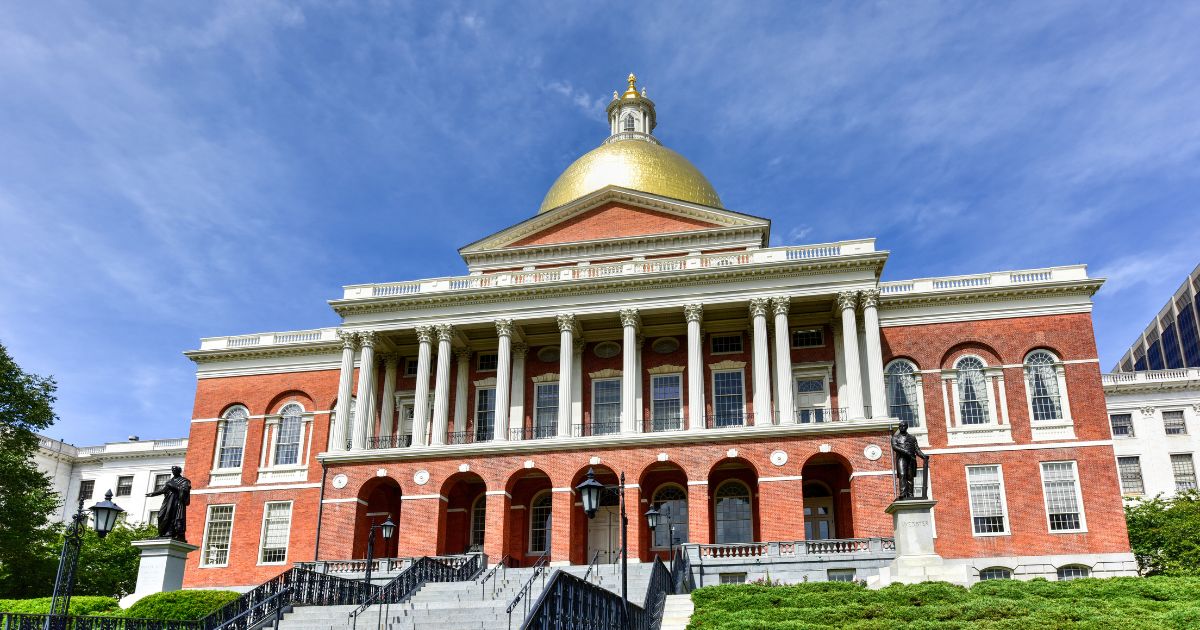
Last Thursday, cannabis business owners, healthcare professionals, elected officials, and community advocates gathered on the steps of the Massachusetts State House in Boston to launch the Stop the Repeal campaign. Their message was direct: the proposed ballot question would undo nearly a decade of progress, kill thousands of jobs, and hand the cannabis market back to unregulated dealers.
What Is the Stop the Repeal Campaign?
The Stop the Repeal campaign is the public-facing effort of the Committee to Protect Cannabis Regulation, the official opposition to Ballot Initiative 25-10, formally titled “An Act to Restore a Sensible Marijuana Policy.”
Campaign chair Ryan Dominguez, executive director of the Massachusetts Cannabis Coalition, made the stakes clear at the State House rally.
“Repealing recreational cannabis laws in Massachusetts will not only take us backwards, it will negatively impact our communities that are already struggling with budget shortfalls and locally owned small businesses that have invested their life savings into building their legal businesses that create jobs and support local economies,” Dominguez said.
The campaign is co-anchored by the Massachusetts Cannabis Business Association, led by David O’Brien. It has drawn support from a coalition of over 90 licensed cannabis businesses, equity advocates, public health professionals, and local officials from across the Commonwealth.
The official campaign website, StopTheRepealMA.com, outlines the stakes: 700+ licensed cannabis businesses, more than 20,000 jobs, and $2 billion in total state and local tax revenue collected since legalization.
Who Is Behind the Repeal Effort?
The campaign to repeal recreational cannabis in Massachusetts is not grassroots. Every dollar behind it comes from one source.
The Coalition for a Healthy Massachusetts, the group pushing the repeal measure, is led by Caroline Cunningham, a GOP strategist with ties to national prohibitionist organizations, and spokesperson Wendy Wakeman, also a Massachusetts Republican State Committee figure.
According to campaign finance records, the coalition raised nearly $1.6 million between September 18 and December 31, 2025. All of it came from SAM Action Inc., the political advocacy arm of Smart Approaches to Marijuana, a national anti-cannabis organization.
SAM is the same group currently fighting federal cannabis rescheduling. Its CEO Kevin Sabet publicly announced the Massachusetts campaign alongside former U.S. Attorney General William Barr, who was hired by SAM to oppose rescheduling. SAM is also financing a similar repeal effort in Maine.
Supporters of repeal have framed their campaign around public safety and youth access. Wakeman has publicly argued that the legal market has created unintended consequences for public health and quality of life.
What the Coalition for a Healthy Massachusetts does not prominently advertise is how the signatures for this petition were gathered. According to a survey of more than 2,300 people who signed the petition, over 1,163 reported they were told they were signing for affordable housing, fentanyl prevention, or school funding and not a cannabis repeal. Multiple state officials, including the Secretary of State and Attorney General, warned voters they could contact their local clerk to have their names removed.
The State Ballot Law Commission rejected a formal challenge to the petition despite the documented fraud claims, and the measure proceeded.
What Would the Repeal Actually Do?
If the ballot question passes in November, the changes would take effect January 1, 2028. Here is what would happen under a yes vote:
- All 410+ licensed adult-use dispensaries in Massachusetts would be forced to close or convert to medical-only operations
- Home cultivation of up to six plants, currently legal for adults 21 and older, would be banned entirely
- The cannabis excise tax, which generated $289 million for the state and $50 million for municipalities in 2025 alone (according to the Boston Globe), would disappear
- The Cannabis Social Equity Trust Fund, which has distributed $28.9 million in grants to communities disproportionately harmed by drug war policies, would be defunded
- Consumers would be pushed back into the unregulated illicit market, where there is no product testing, no age verification, and no potency labeling
Adults 21 and older would still be allowed to possess up to one ounce of cannabis without penalty. But there would be no legal way to buy it or grow it. That is not reform. That is prohibition with extra steps.
Tito Jackson, former Boston City Councilor and owner of Apex Noire, a dispensary and bar in Boston, put it plainly at the State House rally.
“They’re here to shut our businesses down. They’re here to hurt our investors, all of the folks who’ve actually put up money to be in this industry,” Jackson said. Jackson employs 37 people at his business.
Fitchburg Mayor Samantha Squailia also spoke at the rally, noting that cannabis tax revenue plays a real role in city budgets.
“These dollars help support a broader local revenue picture at a time when cities and towns are facing steeply rising costs for health insurance, infrastructure, public safety, solid waste, education and just basic services,” Squailia said.
How Big Is the Massachusetts Cannabis Industry?
The numbers speak for themselves. Massachusetts voters approved adult-use cannabis in 2016 with a 54% majority. Since then, the Cannabis Control Commission has tracked more than $9 billion in total adult-use cannabis sales. The industry generated $1.65 billion in sales in 2025 alone.
Beyond sales, the Massachusetts cannabis industry supports more than 20,000 workers across cultivation, manufacturing, retail, logistics, compliance, and related sectors. According to MassCann, some estimates place the job count even higher, at 27,000.
The legal market has generated $2 billion in total state and local tax revenue, with $183 million coming from the excise tax in fiscal year 2025.
What Does Public Opinion Actually Look Like?
The repeal campaign does not have voter support behind it. A February University of New Hampshire Survey Center poll found that 63% of Massachusetts voters actively oppose rolling back legal cannabis. Only 20% of likely voters support repeal.
A separate MassINC survey found that 65% of Bay Staters believe legalizing recreational cannabis was the right decision. Support for legalization has grown since 2016, not shrunk.
No state that has legalized adult-use cannabis has ever voted to repeal it. If Massachusetts passes this measure, it would be the first in history to undo a regulated cannabis program through a voter referendum.
How Massachusetts Voters (and Friends) Can Help
The opposition is well-funded and politically organized. The pro-cannabis side needs to match that energy. Here is how to get involved, whether you live in Massachusetts or just support the cause:
If you’re a registered Massachusetts voter:
- Vote NO on November 3, 2026. Remember, a YES vote repeals legalization, while a NO vote protects it.
- Register to vote and ensure your address is current so you can make your voice heard.
- Contact your state legislators and urge them to publicly oppose the repeal.
If you know someone in Massachusetts (or want to help from afar):
- Tell five people in Massachusetts about this. As Vanda Bernadeau of the Retailers Association of Massachusetts noted, many people don’t even know this is happening. Spreading the word is a critical first step.
- Donate to the Committee to Protect Cannabis Regulation at StopTheRepealMA.com to support the campaign.
This fight was always coming. Now, it’s a voter education campaign, and the clock is ticking.
The Road to November 3
Here is where things stand. The Coalition for a Healthy Massachusetts needed to collect 12,429 additional verified signatures by July 8, to qualify the measure for the November ballot. That threshold is widely expected to have been met. Voters will see this question on Election Day.
Massachusetts built something real over the past decade. A regulated market with product safety standards, age verification, equity programs, and hundreds of millions in public revenue. Repealing it would not make cannabis go away. It would just make it dangerous again.
The Stop the Repeal campaign knows what is at stake. Now Massachusetts voters need to know it too.
Frequently Asked Questions
A proposed ballot initiative, titled “An Act to Restore a Sensible Marijuana Policy,” aims to eliminate recreational cannabis sales in Massachusetts. If passed in the November 2026 election, it would close all adult-use dispensaries, ban home cultivation, and end the state’s cannabis excise tax.
The entire repeal campaign is funded by SAM Action Inc., the political advocacy arm of the national anti-cannabis organization, Smart Approaches to Marijuana. Campaign finance records show SAM Action was the sole funder, donating $1.6 million to the effort with no significant funding from in-state organizations or residents.
A repeal would eliminate over 20,000 jobs in the Massachusetts cannabis industry, with some estimates putting the figure as high as 27,000 when including related sectors. These jobs would vanish almost immediately, as businesses would no longer have a legal adult-use market.
According to the Cannabis Control Commission, Massachusetts generated $289 million in state tax revenue and $50 million in municipal revenue from adult-use cannabis in 2025. A repeal would eliminate this funding, which supports public health, community investments, and the Cannabis Social Equity Trust Fund.
- Massachusetts Adult-Use Cannabis Repeal Likely to Proceed Despite Fraud Claims
- Maine’s Recreational Cannabis Repeal Effort Gets The Green Light To Gather Signatures
- Arizona’s Adult-Use Cannabis Legalization Threatened by Proposed Repeal Amendment
- Maine Recreational Cannabis Rollback Effort Fails to Make 2026 Ballot
- A New Bill Seeks to Repeal the Federal Hemp Ban