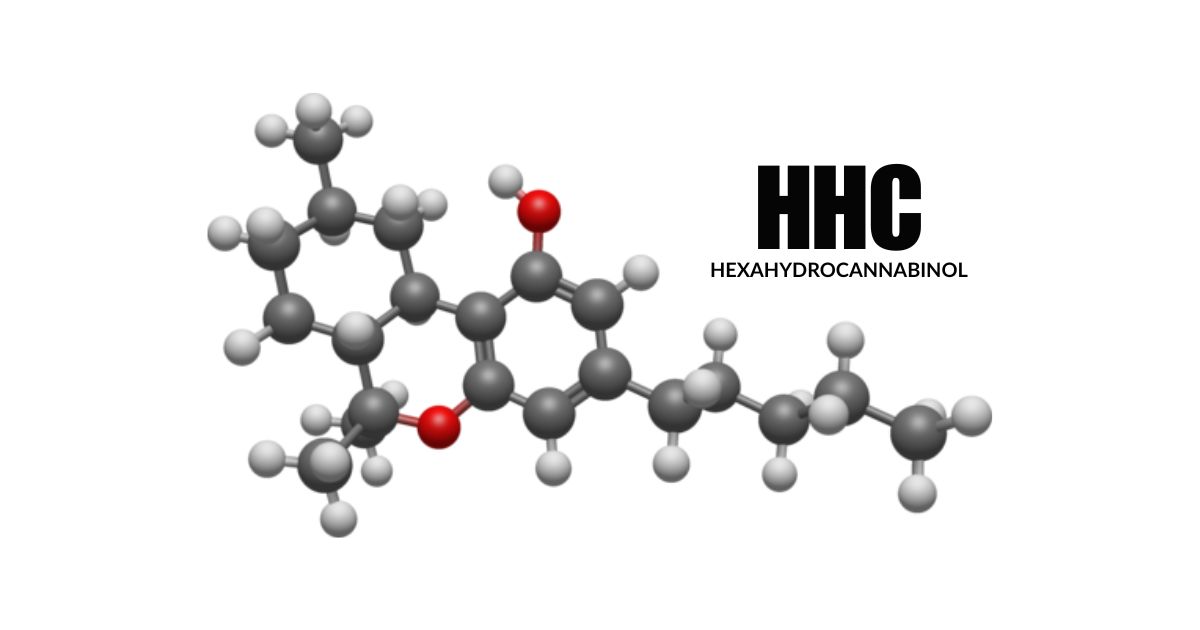
The cannabis landscape is always shifting, and keeping track of the latest federal updates can feel like a full-time job. Recently, the U.S. Drug Enforcement Administration (DEA) made a significant announcement that directly impacts the hemp and synthetic cannabinoid market. Effective as of yesterday May 4th the agency officially assigned a unique drug code to hexahydrocannabinol (HHC), confirming its status as a Schedule I controlled substance.
While the DEA previously considered hexahydrocannabinol (HHC) illegal, this new administrative action formally places the compound under its own specific tracking code (7220) within the Controlled Substances Act. This move serves as a clear signal to manufacturers, retailers, and consumers about how the federal government views synthetically derived cannabinoids. The agency’s position draws a hard line between naturally occurring hemp derivatives and those created through chemical conversion.
To understand the reasoning behind this decision, we need to look at how manufacturers create these products and how international treaties influence domestic drug laws. We are going to break down exactly what the HHC cannabinoid is, how manufacturers produce it, and why the DEA decided to issue this specific classification right now.
Understanding the HHC Cannabinoid
HHC is typically created through a multi-step chemical conversion process that begins with hemp-derived CBD. First, CBD is extracted and isolated from hemp. That CBD is then chemically processed through a conversion method known as isomerization, which changes the molecular structure of the CBD into THC-like cannabinoids, most commonly Delta-8 THC or Delta-9 THC.
Once the THC compound is created, it undergoes a second process called hydrogenation. During hydrogenation, hydrogen atoms are added to the THC molecule in a controlled laboratory environment, altering the compound’s chemical structure. After this hydrogenation process is complete, the resulting cannabinoid is HHC, or Hexahydrocannabinol.
This production method is a major reason HHC has come under increased regulatory scrutiny. Unlike naturally extracted cannabinoids such as CBD, HHC is commercially produced through chemical conversion and laboratory processing, placing it in the middle of ongoing legal and policy debates surrounding intoxicating hemp-derived cannabinoids.
Users largely report this compound’s effects as psychoactive, comparing the experience to traditional marijuana. Because HHC starts from hemp-derived CBD, many companies assumed the 2018 Farm Bill protected it. That legislation federally legalized hemp and its derivatives, provided the delta-9 THC content remained below 0.3 percent on a dry-weight basis. However, federal regulators have a very different interpretation of the law.
Why the DEA Issued a Unique Drug Code
The core of the DEA’s argument rests on the definition of synthetic conversion. The agency argues that the 2018 Farm Bill only protects cannabinoids naturally extracted directly from the hemp plant.
The DEA classifies commercial hexahydrocannabinol (HHC) as a synthetic tetrahydrocannabinol because producers use chemical conversion to create it. The Controlled Substances Act has long restricted synthetics, even if they originate from legal hemp.
This recent regulatory update was also driven by international obligations. In March 2025, the United Nations Commission on Narcotic Drugs voted to add hexahydrocannabinol to Schedule II of the 1971 Convention on Psychotropic Substances. As a participant in this international treaty, the United States is obligated to align its domestic drug scheduling with these global standards.
By giving the compound its own specific DEA drug code, the agency can now establish aggregate production quotas and properly track any registered manufacturers handling the substance for approved research purposes.
The DEA has stressed that this recent Federal Register notice does not actually change the legality of the compound, but rather clarifies an existing ban. They maintain that it has always been a Schedule I substance under the broader tetrahydrocannabinol umbrella. Giving it a specific code simply streamlines the administrative side of federal drug enforcement and leaves no room for misinterpretation regarding its federal status.
Navigating the Future of the Hemp Industry
The assignment of a specific DEA drug code to this synthetic compound highlights a growing push by federal agencies to regulate the booming hemp-derived market. As the government continues to clarify its stance on chemically converted cannabinoids, businesses and consumers alike must adapt to a rapidly changing legal environment.
If you are involved in the cannabis space, staying updated on federal guidelines is incredibly important. You should always review your local state laws, as many states are also passing their own specific bans on synthetic compounds. Keep an eye on ongoing legal challenges to the DEA’s interpretations, and consult with legal experts if you are unsure about the compliance of specific products in your area.
Frequently Asked Questions
The main differences lie in their chemical structures and origins. Delta-9 THC is the main psychoactive compound found abundantly in the cannabis plant, which we extract naturally. Hexahydrocannabinol (HHC) has additional hydrogen atoms, making it highly stable and resistant to heat and UV light. While they produce very similar psychoactive effects, federal law treats them differently based on the plant source and the chemical synthesis required to produce commercial quantities of hexahydrocannabinol.
Most users and researchers place hexahydrocannabinol somewhere in the middle of the potency spectrum. Most users find it stronger and more intoxicating than delta-8 THC, but slightly milder than traditional delta-9 THC. Manufacturers typically synthesize both compounds from hemp-derived CBD through chemical conversion, a process that puts them both in the crosshairs of recent federal and state regulatory crackdowns.
Yes, it absolutely can. Many people mistakenly assume that because it is a different compound, it will bypass standard screening panels. However, as your body metabolizes the compound, it creates byproducts that are structurally similar to the metabolites produced by traditional THC. These metabolites will frequently trigger a false positive for marijuana on standard urine, blood, and saliva drug tests.
Key Takeaways
- The DEA classifies hexahydrocannabinol (HHC) as a Schedule I controlled substance, assigning it a unique drug code (7220).
- HHC is produced through chemical conversion of CBD, but the DEA argues that only naturally extracted cannabinoids are protected under the 2018 Farm Bill.
- International obligations influenced the DEA’s decision, aligning U.S. regulations with global drug classifications for synthetic cannabinoids.
- This regulatory change emphasizes the need for businesses and consumers to stay updated on federal and state laws regarding HHC.
- Understanding the differences between HHC and other cannabinoids like THC is crucial for navigating the hemp market.
- A Guide to Alt-Cannabinoids: Delta 8 & Beyond
- Malta Cannabis Regulatory Body Seeks Cannabis Consumption Sites, and Bans HHC Products
- Costs of Lifesaving Drugs Rising Faster than Inflation, Americans are More Likely to Die from an Opioid Overdose than a Car Crash …and Cannabis is Still Illegal
- South Dakota to Legalize Synthetic Psilocybin, Only If The Federal Government Does First