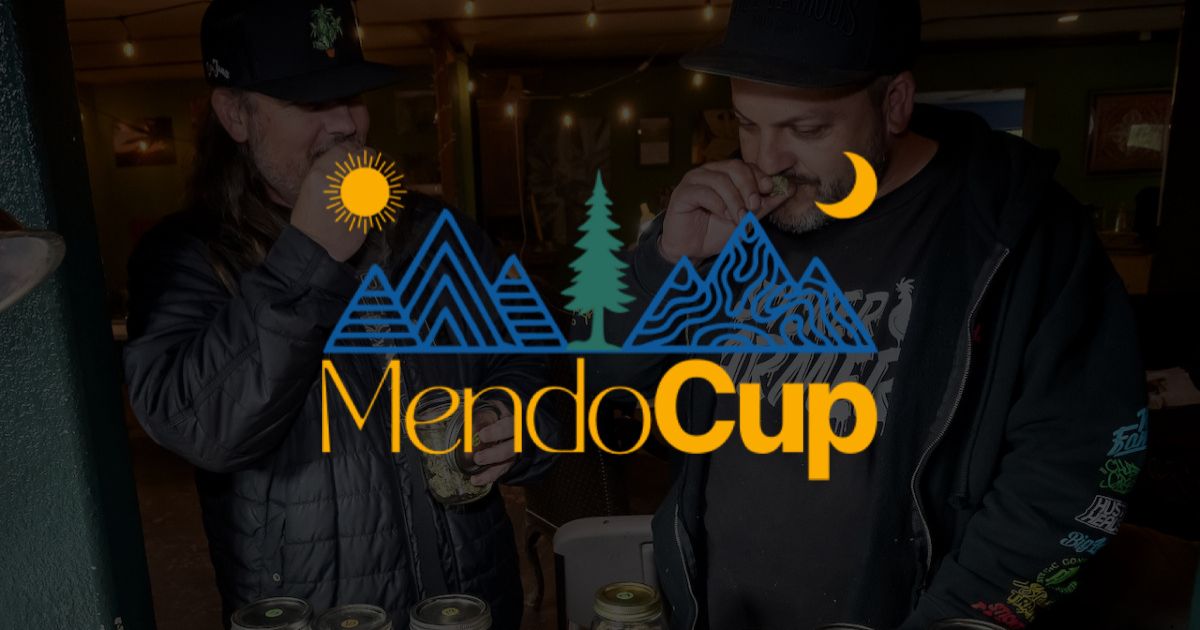
There’s a certain feeling you get when you’re standing on a real cannabis farm in Northern California. Not the Instagram version of it, not the packaged-and-polished narrative that gets pushed out to the masses but the actual thing. Dirt under your nails, sun on your face, plants that took months, not shortcuts, to become what they are. That feeling has been missing from a lot of this industry lately. The Mendo Cup is trying to bring it back.
On Sunday, May 3rd, 2026, the Willits Grange in Mendocino County will host the second annual Mendo Cup Awards & Celebration. On paper, it’s a cannabis competition. In reality, it’s something a little more meaningful than that. It’s a gathering of farmers, operators, advocates, and people who still believe that where and how cannabis is grown matters just as much as what ends up in the jar. And if you’ve been paying attention, you already know why something like this is starting to matter again.
For years, Northern California had its anchors. Events that brought people together, created opportunities, and gave small farmers a stage that actually meant something. But things shifted. Some events scaled up and out. Others disappeared or evolved into something else entirely. What’s been left behind is a region full of some of the best cannabis in the world without a consistent place to showcase it.
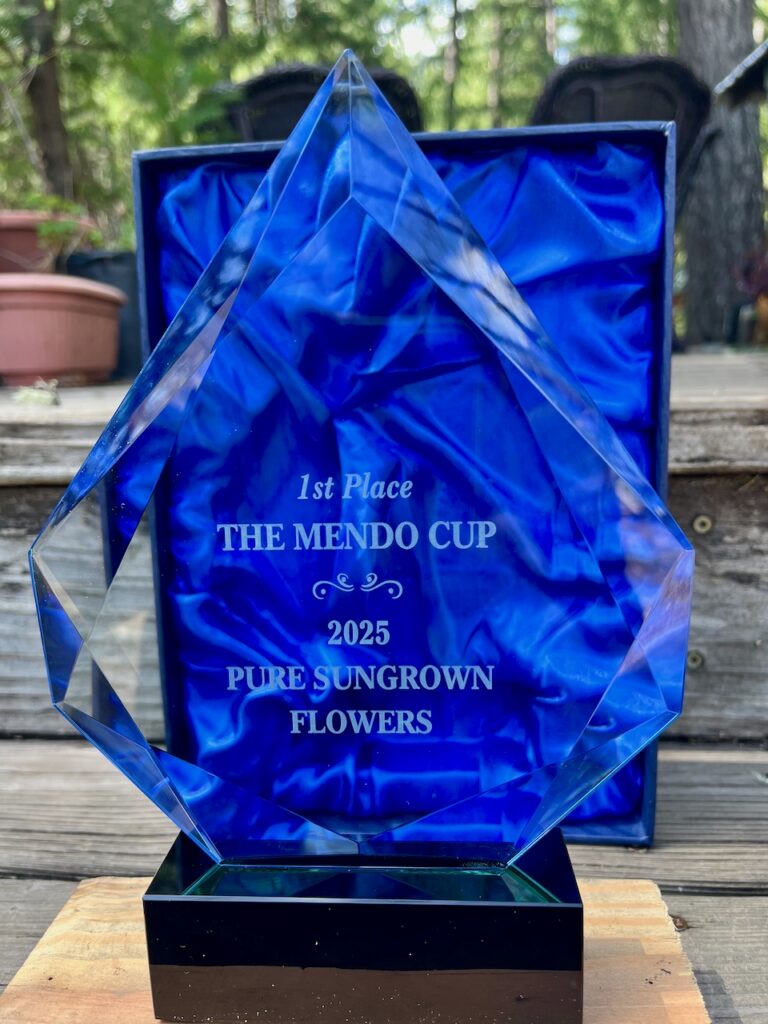
That gap didn’t just impact culture. It impacted business, connection, and visibility. The Mendo Cup is stepping into that space, not by trying to replace anything, but by rebuilding something from the ground up. And that distinction matters.
When you talk to Leah Cerri, who’s leading the charge behind this year’s event, it becomes pretty clear that this isn’t some heavily funded, top-down production. It’s grassroots in the truest sense of the word. A small group of volunteers, a lot of moving parts, and a genuine belief that Mendocino County still has something worth protecting and promoting. She’ll tell you straight up that it’s still a little rough around the edges, still evolving, still finding its stride but that’s part of what makes it real.
And honestly, that’s part of the appeal. Because when you strip away the polish, what you’re left with is the core of what this event is really about: the farmers.
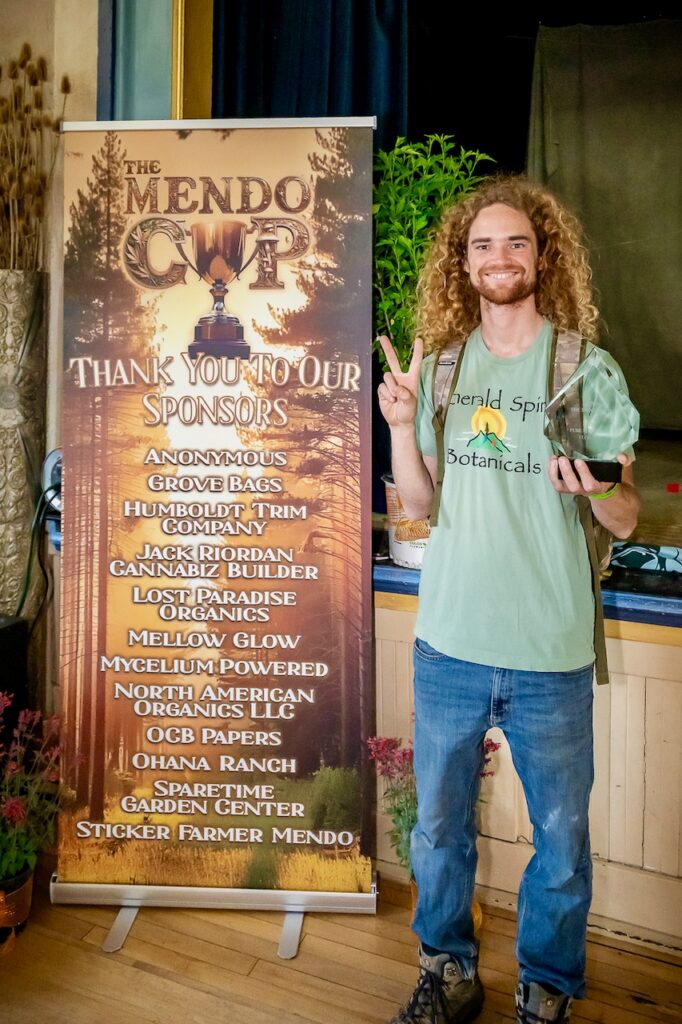
This year’s lineup reads like a who’s who of Mendocino’s small-batch, sungrown community. Farms like Perrin Family Farm, Lost Paradise Organics, Sticky Fields, Mendocino Family Farm, Sweet Sisters Family Farm, and Emerald Spirit Botanicals are just a few of the names stepping into the ring. These aren’t operations built on marketing budgets or distribution muscle. These are people who have spent years dialing in their craft, working with the land instead of against it, and producing cannabis the way it was meant to be grown. Full-term, full-sun, and with a level of care that doesn’t scale easily. That’s exactly why the competition itself is structured the way it is.
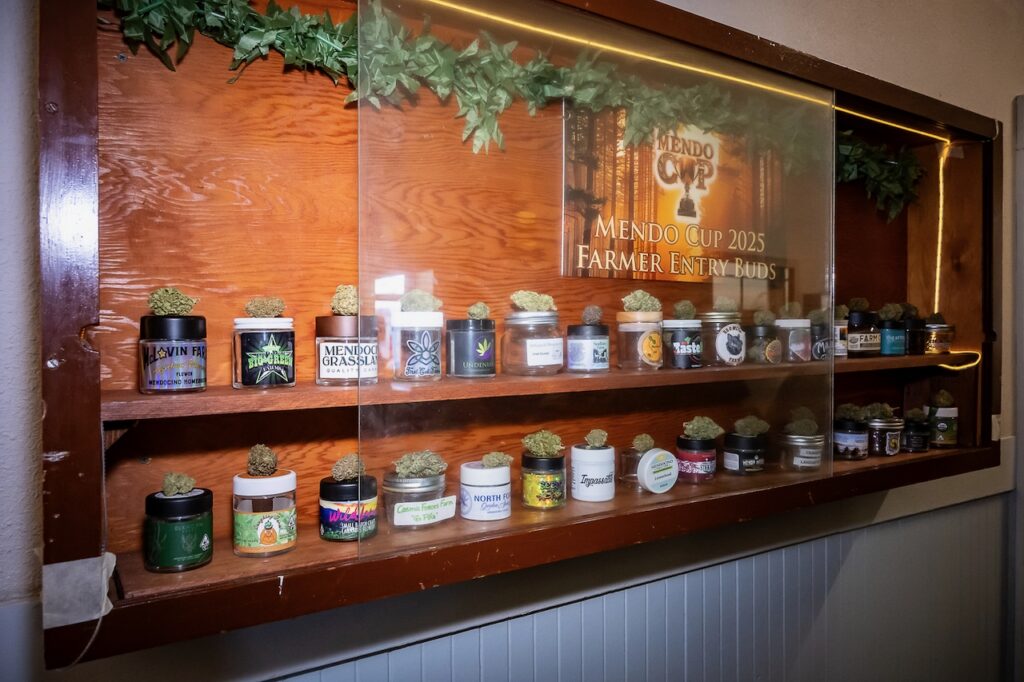
There’s no complicated entry process, no inflated fees, no layers of gatekeeping. Farmers submit a single ounce of flower and one branded jar showcasing their best nug. From there, everything goes blind. The judges, who include respected names like Halle Pennington, Omar Figueroa, Mean Gene, Colleen King, and others, evaluate each entry without knowing who grew it. No branding, no bias, no shortcuts. Just the flower doing the talking. In an industry where perception often outweighs product, that’s a refreshing shift.
But the Mendo Cup isn’t just about crowning winners. If that were the case, it would be just another trophy event. What makes this one different is what happens around the competition. This year, there’s been a clear push to bring more retailers into the fold, something that was admittedly missing in earlier iterations. With partners like Sol de Mendocino, Doobie Nights, Red Door Remedies, and Goldenhour Collective involved, the event starts to bridge a gap that’s been a problem for years: getting great cannabis from small farms onto actual shelves.
Let’s be honest: Recognition is nice, but distribution is what keeps farms alive. The incentives reflect that reality. Top finishers don’t just walk away with bragging rights; they gain access to retail opportunities, professional photography, and tools that can help them grow their business. It’s a subtle but important shift away from vanity and toward sustainability.
At the same time, the event itself keeps things grounded. You’ll find farmer booths instead of massive brand activations, a consumption-friendly environment without the chaos, local food vendors, music, and a community that feels more like a gathering than a spectacle. There are no on-site sales or over-the-top productions. Just a space where people can connect, share, and celebrate what they’ve built. And maybe that’s why people are paying attention from outside the region.
One of the more surprising developments this year is the level of interest coming from out-of-state attendees. For a relatively small, regional event, that’s not something you’d necessarily expect. But when you think about it, it makes sense. There aren’t many places left where you can show up and meet a concentrated group of Northern California farmers in one place, have real conversations, and actually understand what goes into their product. That kind of access is rare.
It also points to something bigger that’s starting to take shape beneath the surface. The Mendo Cup may be rooted in Mendocino County, but the conversations around it are already expanding. There’s talk of growth, of larger venues, of bringing in more partners and more structure without losing the essence of what makes it work. There’s even the idea that this could eventually connect with similar efforts across Northern California—Humboldt, Trinity, and beyond—to create something more unified. Nothing’s set in stone, and it shouldn’t be.
Because the moment something like this tries to grow too fast, it risks losing the very thing that makes it valuable in the first place. For now, the focus seems to be on doing it right, not doing it big. And that’s probably the smartest move they could make.
At its core, the Mendo Cup isn’t trying to compete with the biggest events in cannabis. It’s not chasing headlines or trying to impress investors. It’s doing something much simpler and arguably much harder. It’s creating a space where the people who actually grow the plant can be seen, heard, and supported in a way that feels authentic. That might not sound revolutionary. But in today’s cannabis industry, it kind of is.
So if you’re heading up to Willits this May, don’t expect a spectacle. Expect conversations, connections, and a reminder of why this plant and the people behind it matter in the first place. For more information, visit the Mendo Cup website.