For decades, the concession stand experience at American sports and entertainment venues has remained largely unchanged. You have your domestic beers, your overpriced sodas, and perhaps a plastic cup of wine. But in Chicago, the menu is getting a historic update.
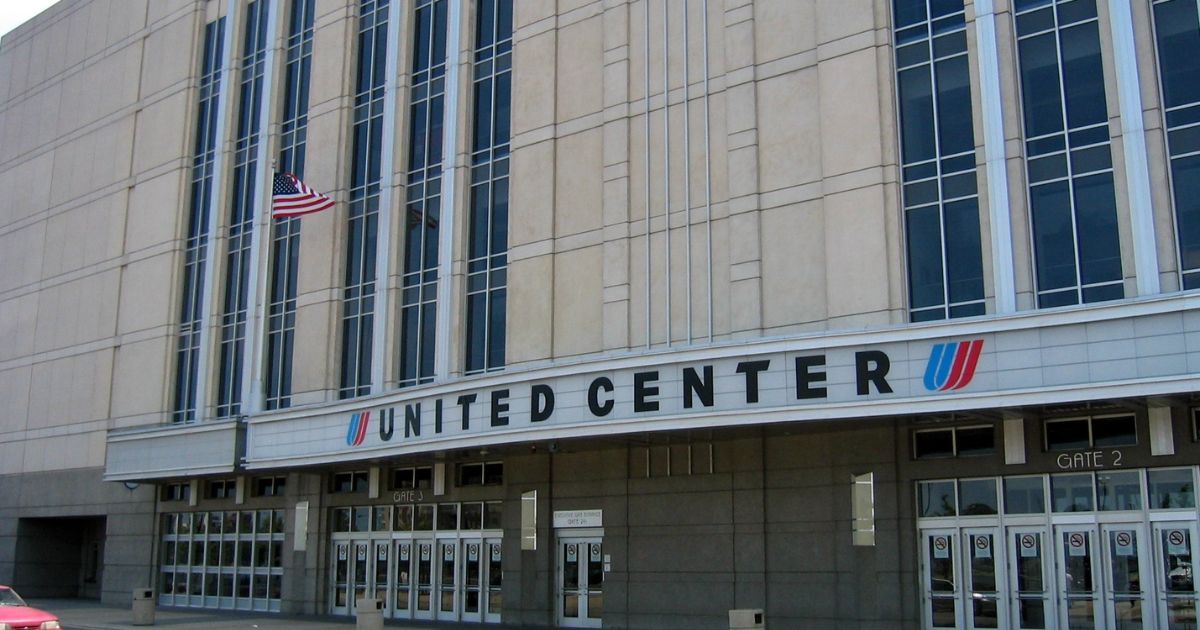
The United Center, home to the Chicago Bulls and Blackhawks, has announced it will begin selling hemp-derived THC beverages at select events starting this month. This makes the iconic venue the first major arena in the United States to offer cannabis-infused drinks alongside traditional alcohol options.
While this is a significant milestone for cannabis normalization, it comes with a complex web of restrictions, league rules, and looming federal regulations.
A New Era for Arena Concessions
The partnership, officially launched with Chicago-based cannabis operator Green Thumb Industries, introduces hemp-derived THC beverages to the United Center’s beverage lineup. Specifically, the venue will carry products from the brands Señorita and RYTHM.
Starting in early February, adult attendees aged 21 and older can purchase these beverages at concession stands, bars, and a dedicated mobile bar within the arena. The initial rollout features 5mg THC options, a dosage generally considered “sessionable” or comparable to a light beer in terms of intensity for the average consumer.
This isn’t just about adding a new flavor to the menu; it represents a fundamental shift in how venues view intoxication and guest experience. Ben Kovler, CEO of Green Thumb Industries, noted in a press release that consumers are increasingly looking for alternatives to alcohol. By offering a product that promises a social lift without the dreaded next-day hangover, the United Center is betting on a changing consumer palate.
The Fine Print: Concerts Only, No Sports
Before you plan to grab a THC seltzer while watching the Bulls make a playoff push, there is a major caveat to this new policy.
The THC beverages will not be sold at Chicago Bulls or Chicago Blackhawks games.
The restriction stems from the current regulations of the NBA and NHL. While both leagues have relaxed their rules regarding player cannabis use in recent years, they maintain strict guidelines regarding the sale and sponsorship of THC products during league games. Consequently, the sale of these beverages is strictly limited to concerts and special live events.
This dichotomy creates a unique operational situation for the United Center. On a Tuesday night for a concert, THC drinks might flow freely. On a Wednesday night for a hockey game, the same refrigerators will be locked or restocked. It highlights the fragmented nature of cannabis acceptance, where the venue is willing to move forward, but the governing sports bodies are not yet ready to take that leap.
Understanding the “Hemp-Derived” Distinction
You might be wondering how a major arena can sell THC products outside of a licensed dispensary. The answer lies in the specific type of product being sold: hemp-derived THC.
Under the 2018 Farm Bill, cannabis products containing less than 0.3% Delta-9 THC on a dry weight basis are classified as hemp, which is federally legal. This legislation inadvertently opened the door for a booming market of hemp-derived intoxicants. Because beverages are heavy (mostly water), a drink can contain an amount of THC while still remaining mathematically below the 0.3% threshold by weight.
This legal distinction allows the United Center to sell these drinks under a different regulatory framework than state-licensed marijuana dispensaries. It means attendees do not need a medical card or to visit a separate, secure area to purchase them. They can simply show their ID at the bar, just as they would for a beer.
Looming Legal Battles and Industry Uncertainty
While the United Center is breaking new ground, it is doing so on shaky regulatory terrain. The hemp-derived market is currently facing an existential crisis.
In late 2025, Congress passed a funding bill that included provisions effectively banning many hemp-derived THC products. Revisions to the Farm Bill could close the “loophole” that makes these products legal, potentially instituting a federal ban as early as November 2026.
Simultaneously, local regulations are in flux. The Chicago City Council recently passed a ban on many intoxicating hemp products, though they carved out a specific exception for hemp-derived beverages. This exception is critical for the United Center’s new venture, but it underscores how fragile the market is.
By launching this partnership now, the venue and its partners are making a bold statement. They are establishing a foothold and normalizing the product in a high-visibility setting, perhaps hoping that consumer popularity will influence future legislative outcomes.
Why the Shift Away from Alcohol?
The decision to introduce cannabis beverages is driven by data. Alcohol consumption patterns in the United States are shifting, particularly among younger generations.
A 2025 Gallup poll found that only 54% of Americans drink alcohol, the lowest rate recorded in decades. Meanwhile, interest in cannabis and hemp-derived products is surging. Data from the Brightfield Group indicates that 14% of U.S. adults reported using hemp-derived THC products in the first quarter of 2025, nearly double the rate from the previous year.
Many consumers are adopting a “California Sober” lifestyle—abstaining from alcohol but consuming cannabis—or simply looking for a way to relax at an event without the calories, loss of control, or hangover associated with binge drinking.
For venues, this presents a financial imperative. If alcohol sales are trending downward, they need a product to fill the revenue gap. THC beverages, often priced similarly to premium spirits (in the $15–$20 range at venues), offer a high-margin alternative that keeps concession lines moving.
Will Other Arenas Follow?
The United Center is serving as the test case for the rest of the country. Venue operators in states like New York, California, and Colorado will likely be watching closely to see how this rollout is handled.
Key factors other venues will monitor include:
- Operational Safety: Can staff effectively monitor impairment? Will there be issues with cross-fading (mixing alcohol and THC)?
- Revenue Impact: Do THC sales cannibalize alcohol sales, or are they additive?
- Fan Feedback: Do concert-goers appreciate the option, or does it change the atmosphere negatively?
If the rollout is smooth and profitable, it is highly likely that other independent venues and arenas not bound by strict league rules will follow suit.
However, widespread adoption in sports stadiums will remain paused until the major leagues update their policies to align with state laws and consumer preferences.
A New Normal for Live Events?
Whether you choose to partake or not, the arrival of THC beverages at the United Center is a watershed moment for the mainstreaming of cannabis. It moves the product out of the dispensary and into the public square, treating it with the same validity as a draft beer or a cocktail.
As regulations continue to evolve and social stigmas fade, the “beer and a hot dog” staple of American live events may soon have a permanent companion: the cannabis seltzer.
- Nevada One Step Closer to Consumption Venues
- Virginia Governor Lets Legislative Session End Without Signing Adult-Use Marijuana Bill
- Cannabis Beverages Face Uphill Battle to Capture Consumers
- First Independent Consumption Lounge License Approved In Nevada
- How a Tiny Legal Clause Sparked a Hemp-Derived THC Beverage Boom in Minnesota