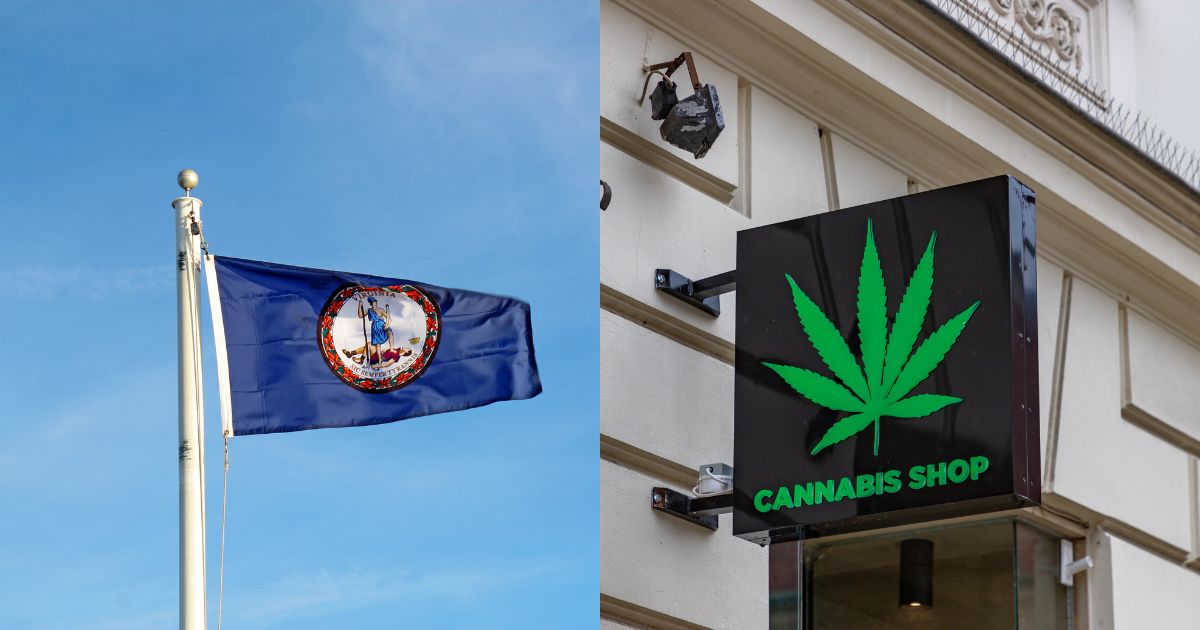
Virginians have waited a long time to legally purchase recreational cannabis. Back in 2021, lawmakers made it legal to possess small amounts of marijuana and grow a few plants at home. However, buying the product locally without a medical card remained strictly prohibited. That frustrating gap between legal possession and illegal purchasing is finally coming to a close.
After years of political gridlock, the Virginia General Assembly recently passed legislation to establish a regulated retail market. The bills, Senate Bill 542 and House Bill 642, set a launch date for legal dispensary sales: January 1, 2027.
This legislative breakthrough ends a five-year stalemate. With Democratic Governor Abigail Spanberger indicating her support for the measure, Virginia is on track to officially open an adult-use marijuana retail market.
The Long Road to Retail Cannabis in Virginia
Virginia made headlines in 2021 by becoming the first Southern state to legalize adult-use cannabis. The initial legislation allowed adults 21 and older to possess up to one ounce of marijuana and cultivate up to four plants per household. The original plan was to establish a retail framework shortly after, aiming for recreational sales to begin in 2024.
Political shifts at the state level dramatically altered that timeline. When Republicans gained control of the House of Delegates and the governorship in 2022, efforts to finalize the retail market stalled. Former Republican Governor Glenn Youngkin consistently opposed commercializing the plant, citing public health and safety concerns. He subsequently vetoed multiple bills designed to establish commercial sales.
The political landscape shifted again recently, allowing Democrats to regain a government trifecta. Under the new leadership of Governor Spanberger, lawmakers successfully negotiated a bipartisan compromise to replace the unregulated market with a safe, tested, and taxed retail system.
What to Expect from the New Marketplace
Creating a multi-million dollar industry from scratch requires extensive regulation. The approved legislation outlines specific rules for consumers, business owners, and local governments.
Increased Possession Limits and Store Caps
Once the law takes effect, the personal possession limit for adults 21 and older will increase from one ounce to 2.5 ounces of cannabis flower, or an equivalent product amount.
To prevent market oversaturation, the state will cap the number of retail cannabis establishment licenses at 350. The legislation also sets strict dosage caps on consumable products to prioritize public safety. Edible cannabis products will be limited to 10 milligrams of THC per serving and a maximum of 100 milligrams per package.
A Structured Tax System
Taxation was a major sticking point during legislative negotiations. The final agreement establishes a tax framework that keeps costs relatively low for consumers while generating significant revenue for the state.
Adult-use cannabis sales will carry a 6% state cannabis excise tax. This applies on top of the standard 5.3% state retail sales and use tax. Additionally, local governments have the authority to levy an optional local tax ranging from 1% to 3.5%. Depending on the locality, consumers can expect a total tax rate hovering around 12% to 16% at the register.
Revenue Distribution
Lawmakers estimate that Virginia could generate more than $400 million in annual cannabis tax revenue during the first five years of operation. The legislation explicitly dictates how the state must distribute these funds:
- Early Childhood Education (40%): A large portion of the revenue will support early childhood care and educational programs across the state.
- Cannabis Equity Reinvestment Fund (30%): These funds will support individuals, families, and communities historically and disproportionately affected by drug enforcement. Half of this allocation goes directly to a business loan program to support equity licensees.
- Behavioral Health (25%): A quarter of the tax revenue will fund the Department of Behavioral Health and Developmental Services.
- Public Health (5%): The remaining funds will back public health initiatives, specifically focusing on discouraging impaired driving and underage consumption.
How Existing Medical Dispensaries Fit In
Virginia currently operates a limited medical cannabis program with five primary operators. These existing medical businesses will have the opportunity to participate in the recreational market, but it comes with a steep price tag.
To transition their operations and serve the adult-use market, existing medical cannabis operators must pay a $10 million license conversion fee. The legislation allows these operators to pay the one-time fee over a three-year period. This financial requirement was a compromise between the House and Senate, ensuring that large, established companies contribute substantially to the state’s general and equity funds before dominating the recreational sector.
New Rules for Hemp-Derived THC
While the legislation builds the foundation for the future recreational market, it also introduces immediate changes for the hemp industry. The bill tightens restrictions on intoxicating hemp products, such as delta-8 THC, which have surged in popularity at vape shops and convenience stores.
Under the updated framework, hemp products sold at retail must adhere to strict limits. A product must contain no more than two milligrams of total THC per package. Alternatively, it can bypass this limit only if it maintains a CBD-to-THC ratio of at least 25-to-1.
Furthermore, the oversight of industrial intoxicating hemp will shift from the Virginia Department of Agriculture and Consumer Services directly to the state’s cannabis regulators. This ensures all cannabinoid products face consistent testing, safety standards, and enforcement.
Regulatory Oversight and Law Enforcement
Managing a statewide cannabis industry requires dedicated oversight. The Virginia Cannabis Control Authority (CCA) will serve as the primary agency responsible for administering the retail system. They will issue licenses, set regulatory standards, and oversee compliance for growers, processors, distributors, and retail storefronts.
In the short term, the Virginia Alcoholic Beverage Control Authority (ABC) will lead the enforcement of illegal cannabis cultivation, distribution, and sales. The legislation creates new, escalating penalties for unregulated distribution. Selling cannabis without a license will result in a Class 2 misdemeanor for a first offense, a Class 1 misdemeanor for a second offense, and a Class 6 felony for subsequent violations.
By 2028, the state plans to merge the Cannabis Control Authority into the ABC. This merger will create a unified regulatory body known as the Virginia Alcoholic Beverage Cannabis Control Authority.
Preparing for Virginia’s Cannabis Launch
The approval of retail cannabis sales marks a big shift in Virginia’s economic and legal framework. Replacing an unregulated illicit market with a controlled, tested, and taxed system prioritizes consumer safety while generating vital revenue for education and public health.
As the state gears up for the January 2027 launch, prospective business owners should begin monitoring the Virginia Cannabis Control Authority for upcoming licensing applications and compliance guidelines. Consumers can look forward to a regulated environment where product testing and accurate labeling are the standard.
Stay informed on local zoning board meetings in your area, as individual cities and counties will soon begin drafting the specific local ordinances that will shape exactly what this new industry looks like in your neighborhood.
- Virginia’s House and Senate Each Advance Separate Cannabis Retail Sales Bills
- Could Virginia’s Long Wait For Cannabis Retail Finally Be Over?
- Virginia, West Virginia Announce New Adult-Use Cannabis Bills For 2024
- Virginia Governor Continues To Stifle Adult-Use Marijuana Legalization
- Virginia Adult-Use Market Launch Scrapped With Uncertain Future